Understanding the role and design of negative electrode material particle pneumatic conveying equipment is crucial for industries involved in battery manufacturing and material handling. This equipment is specifically engineered to transport fine powders, such as those used in lithium-ion battery production, with precision and efficiency. The following discussion will explore the fundamental concepts behind this technology and its key design principles.
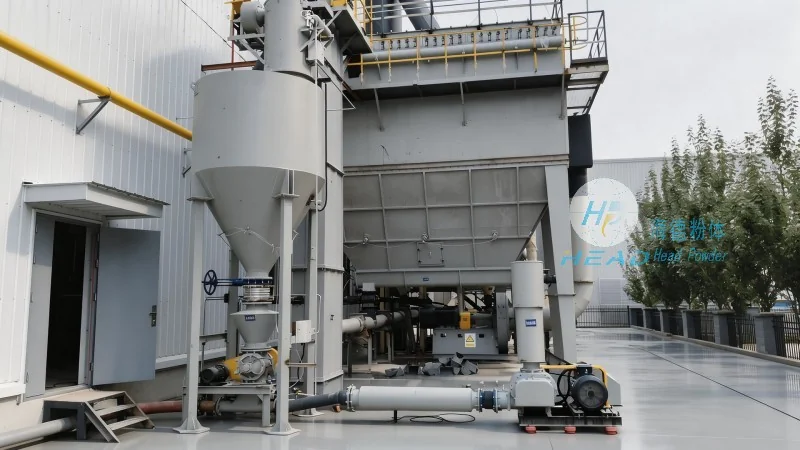
Company Overview: Shandong HeadPowder Engineering Co., Ltd.
HeadPowder, the manufacturer behind this advanced pneumatic conveying system, is a leading company in the field of powder handling solutions. Based in Shandong, China, HeadPowder specializes in designing and manufacturing equipment tailored to the unique needs of the battery and material processing industries. The company’s expertise lies in creating reliable, high-performance systems that ensure safe and efficient material transport, contributing to the overall productivity and quality of manufacturing processes.
What is Negative Electrode Material Particle Pneumatic Conveying Equipment?
Negative electrode material particle pneumatic conveying equipment is a specialized system used to transport fine powders, particularly those used in the production of lithium-ion battery negative electrodes. These materials are typically fine-grained and require careful handling to prevent agglomeration or loss of material. The equipment operates by using compressed air or other gases to create a flow that moves the particles through a pipeline system. This method offers advantages over traditional mechanical conveying, including reduced risk of contamination, lower maintenance requirements, and the ability to handle materials in a closed system, which is essential for maintaining product purity and safety.
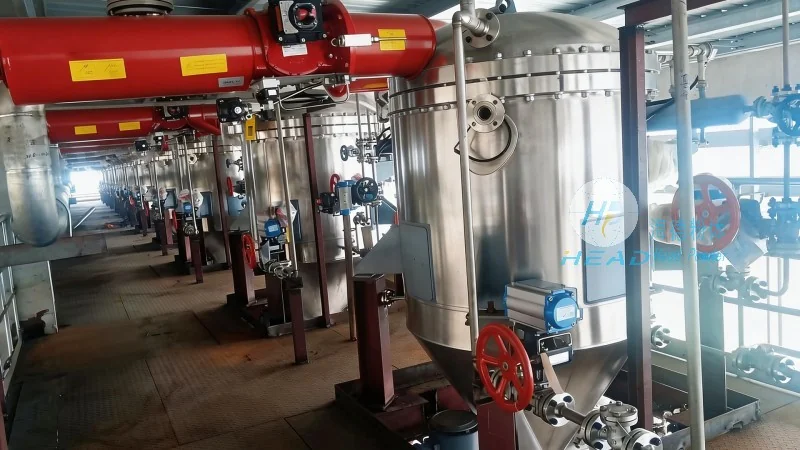
Key Design Principles of the Equipment
The design of negative electrode material particle pneumatic conveying equipment is based on several critical principles to ensure optimal performance and reliability. First, the system must be capable of handling fine powders without causing blockages or clogging. This is achieved through the use of specialized nozzles, valves, and pipeline designs that minimize particle interaction and ensure smooth flow. Second, the equipment must maintain a consistent air-to-material ratio to prevent over-pressurization or under-pressurization, which could lead to material degradation or system failure. Third, the design incorporates features for controlling particle velocity and pressure, allowing for precise control over the conveying process. Additionally, the system is engineered with safety in mind, including pressure relief valves and monitoring systems to detect and prevent potential issues before they become critical.
How the Equipment Works: A Step-by-Step Overview
The operation of negative electrode material particle pneumatic conveying equipment involves several key steps. Initially, the powder material is fed into a hopper or feeder, where it is then introduced into the conveying line. Compressed air is then introduced into the line, creating a flow that draws the particles along with it. The air and material mixture travels through the pipeline to the discharge point, where the material is separated from the air and collected in a receiving container. The system may include additional components such as cyclones or filters to separate the material from the air, ensuring that the material is delivered in a clean and dry state. The entire process is controlled by a system of valves, sensors, and controls that regulate the flow of air and material, ensuring consistent performance and minimal downtime.
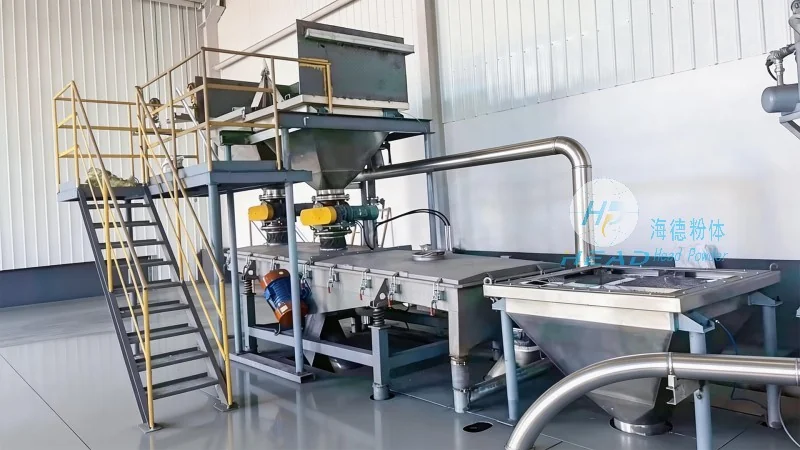
Benefits of Using Negative Electrode Material Particle Pneumatic Conveying Equipment
Implementing negative electrode material particle pneumatic conveying equipment offers numerous benefits for manufacturers. One of the primary advantages is the ability to handle fine powders in a closed system, which prevents contamination from external sources and maintains product purity. This is particularly important for battery materials, where even small amounts of impurities can affect battery performance and lifespan. Additionally, the system reduces the risk of dust exposure, improving workplace safety and compliance with environmental regulations. The equipment also offers higher efficiency and lower maintenance costs compared to traditional mechanical conveying systems, as it eliminates the need for moving parts that can wear out or require frequent replacement. Furthermore, the precise control over the conveying process allows for better material management and reduces waste, contributing to overall cost savings.
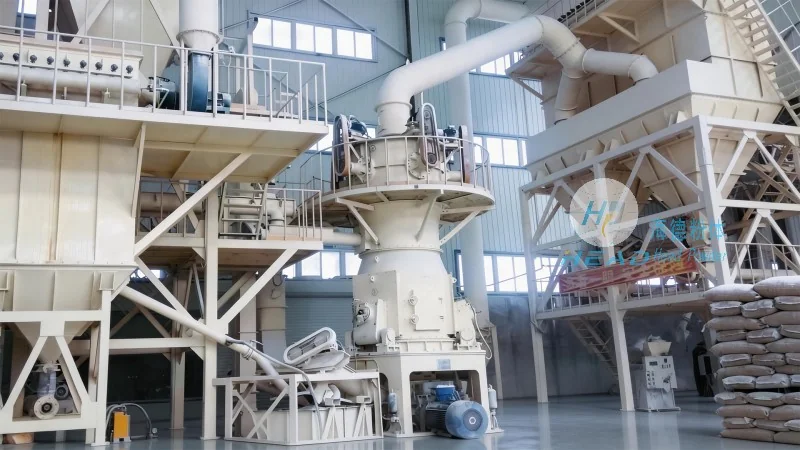
Applications in Battery Manufacturing
Negative electrode material particle pneumatic conveying equipment is widely used in the battery manufacturing industry, particularly for the production of lithium-ion batteries. These batteries rely on high-purity materials, and the equipment’s ability to handle these materials with precision is essential for maintaining product quality. The system is used to transport materials such as graphite, silicon, and other additives from storage to the mixing and coating stages of the battery production process. By ensuring that the materials are delivered in a consistent and controlled manner, the equipment helps to improve the uniformity of the battery cells, leading to better performance and longer lifespan. The equipment is also used in research and development settings to test new materials and formulations, allowing manufacturers to quickly and efficiently evaluate the properties of different negative electrode materials.
Conclusion: The Importance of Reliable Pneumatic Conveying Systems
In conclusion, negative electrode material particle pneumatic conveying equipment is a critical component of modern battery manufacturing and material handling processes. The design principles and operational features of this equipment are tailored to meet the unique challenges of handling fine powders, ensuring that materials are transported safely, efficiently, and with minimal loss. Companies like Shandong HeadPowder Engineering Co., Ltd. play a vital role in providing these advanced systems, contributing to the growth and innovation of the battery industry. By investing in reliable pneumatic conveying equipment, manufacturers can improve their production processes, enhance product quality, and maintain a competitive edge in the market.




