When it comes to efficiently transporting metal aluminum powder, a specialized system known as a metal aluminum powder pneumatic conveying system is often employed. This technology is crucial in various industrial applications where the safe and effective movement of aluminum powder is required. The system leverages the principles of pneumatic conveying to transport the material through a pipeline using air or other gases as the conveying medium. Understanding what this system entails and its underlying design principles is essential for industries that rely on aluminum powder in their production processes.
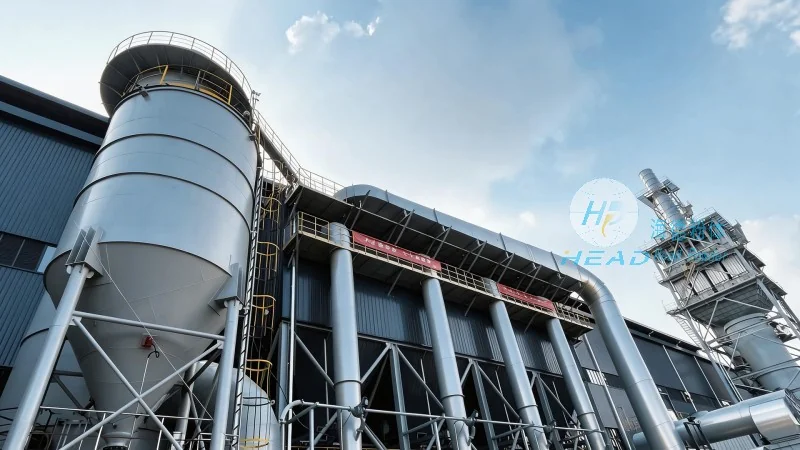
Introduction to Metal Aluminum Powder Pneumatic Conveying Systems
A metal aluminum powder pneumatic conveying system is a specialized piece of equipment designed to transport aluminum powder from one location to another within an industrial setting. The system is particularly useful in applications where traditional mechanical conveyors may not be suitable due to the nature of the material—such as its fine particle size, potential for dust explosion risks, or the need for a dust-free environment. The core of the system is the pneumatic conveying mechanism, which uses compressed air or other gases to create a flow that moves the powder through a pipeline. This method offers advantages such as reduced contamination, lower maintenance compared to mechanical systems, and the ability to handle materials that are difficult to convey with conventional methods.
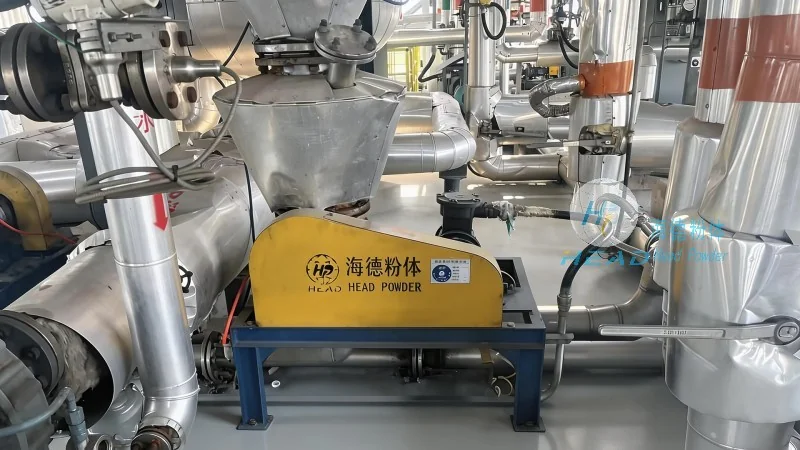
Key Components of a Metal Aluminum Powder Pneumatic Conveying System
The design of a metal aluminum powder pneumatic conveying system involves several key components that work together to ensure efficient and safe operation. These components include the material hopper or feeder, which stores and meters the aluminum powder; the conveying line, typically made of materials resistant to corrosion and wear, such as stainless steel or special alloys; the air compressor or blower, which generates the necessary air pressure to move the powder; and the control system, which regulates the flow of air and material. Additionally, the system may include filters and dust collection equipment to ensure that the air released is clean and free from aluminum powder particles, minimizing environmental impact and health risks. The choice of materials for each component is critical, as aluminum powder can be abrasive and may cause corrosion in certain environments. Companies like Shandong HeadPowder Engineering Co., Ltd., based in China, specialize in designing and manufacturing such systems tailored to the specific needs of their clients.
Design Principles Behind Metal Aluminum Powder Pneumatic Conveying
The design principles of a metal aluminum powder pneumatic conveying system are centered on achieving optimal flow rates, minimizing pressure drops, and ensuring the safety of the material and operators. One of the primary design considerations is the velocity of the air within the pipeline. The air velocity must be high enough to keep the powder particles suspended and prevent them from settling or clogging the line, but not so high as to cause excessive wear on the pipeline or increase energy consumption. The system's design also takes into account the particle size distribution of the aluminum powder, as larger particles may require higher air velocities to maintain suspension. Another critical principle is the pressure drop along the conveying line, which affects the overall efficiency of the system. Engineers must calculate the pressure drop accurately to ensure that the air compressor or blower can provide sufficient pressure to move the material over the required distance. The system's layout, including the number and placement of bends, elbows, and expansion joints, also plays a role in maintaining consistent pressure and preventing blockages. Furthermore, safety features are integrated into the design to mitigate risks associated with aluminum powder, such as dust explosions. This may include explosion-proof components, dust collection systems, and emergency shut-off valves. The design process involves careful analysis of the material properties, operational requirements, and environmental regulations to create a system that is both efficient and safe.
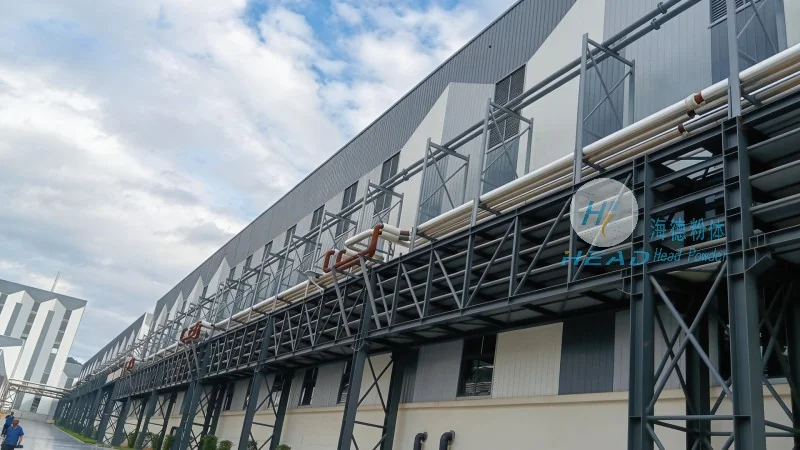
Applications and Benefits of Metal Aluminum Powder Pneumatic Conveying Systems
Metal aluminum powder pneumatic conveying systems are widely used in various industries that rely on aluminum powder in their production processes. These include the aerospace industry, where aluminum powder is used in composite materials and coatings; the automotive industry, for lightweighting applications and corrosion-resistant coatings; and the chemical industry, for producing aluminum-based compounds and alloys. The benefits of using such a system over traditional methods are significant. For instance, pneumatic conveying reduces the risk of material contamination, as the powder is enclosed within the pipeline and does not come into contact with external elements. It also minimizes the risk of dust exposure to workers, which is a major health concern in aluminum powder handling. Additionally, the system can handle materials that are difficult to convey with mechanical systems, such as those with high moisture content or those that are prone to caking. The energy efficiency of pneumatic conveying systems is another advantage, as they can operate with lower energy consumption compared to some mechanical alternatives. Companies like Shandong HeadPowder Engineering Co., Ltd. have developed specialized systems that cater to these diverse applications, ensuring that clients receive solutions that are tailored to their specific needs. The systems are designed to be scalable, allowing them to handle varying volumes of aluminum powder while maintaining consistent performance and safety standards.




