For industrial operations that require efficient and reliable material handling, the negative pressure suction type pneumatic conveying system equipment has emerged as a crucial solution. This technology enables the transport of bulk materials through a pipeline network using air or gas as the conveying medium, operating under a vacuum or negative pressure environment. Understanding the core components and design principles of such systems is essential for optimizing material handling processes in various industries. The expertise in this field is provided by Shandong HeadPowder Engineering Co., Ltd., a leading manufacturer based in China, dedicated to delivering high-quality pneumatic conveying solutions.
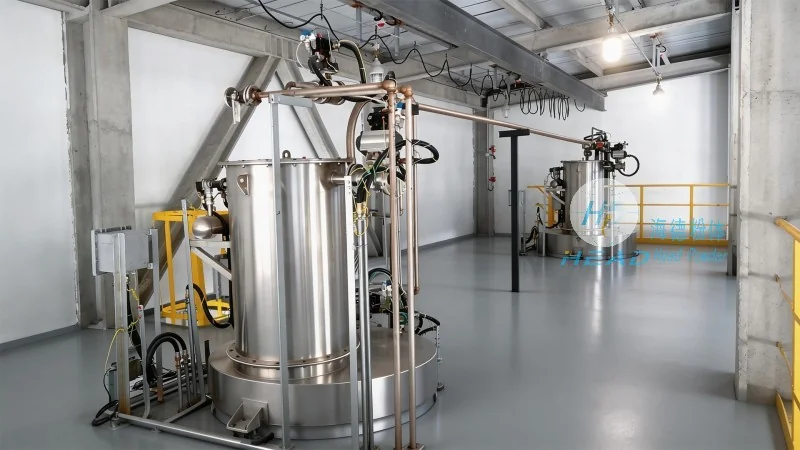
Introduction to Negative Pressure Suction Type Pneumatic Conveying Systems
A negative pressure suction type pneumatic conveying system is a specialized equipment designed to move bulk materials from a source to a destination by creating a vacuum in the conveying line. This vacuum draws the material and air mixture through the pipeline, allowing for the efficient transport of dry powders, granules, and other particulate materials. The system typically consists of a suction unit, conveying line, and discharge equipment, all working in tandem to ensure seamless material transfer. This approach is particularly advantageous in applications where material contamination must be minimized, as the system operates in a closed loop, preventing exposure to external elements.
Key Components of the System
The effectiveness of a negative pressure suction type pneumatic conveying system relies on several critical components, each playing a vital role in the overall operation. The primary components include:
1. Suction Unit (Vacuum Pump): This is the heart of the system, responsible for generating the necessary vacuum to draw material into the pipeline. The vacuum pump can be either rotary vane, liquid ring, or other types, depending on the system requirements and material characteristics. It ensures a consistent airflow and pressure to maintain the conveying process.
2. Conveying Line: The pipeline network that transports the material and air mixture from the source to the discharge point. The line is usually made of stainless steel or other corrosion-resistant materials to withstand the abrasive nature of the conveyed materials and the effects of the conveying medium.
3. Material Hopper or Source: The container or point where the bulk material is stored before being drawn into the system. This component is designed to feed the material into the suction unit efficiently, ensuring a continuous flow.
4. Discharge Equipment: The device that collects the material from the end of the conveying line. This can include a receiver, silo, or other storage vessel, allowing for the controlled discharge of the material into its final destination.
5. Control System: A set of controls and sensors that monitor and regulate the system's operation. This includes pressure sensors, flow meters, and control valves to ensure optimal performance and prevent system failures.
Design Principles and Operational Mechanics
The design of a negative pressure suction type pneumatic conveying system is based on fundamental principles of fluid dynamics and material handling. The core design principle is to create a pressure differential between the source and the discharge point, using the vacuum generated by the suction unit to draw the material through the pipeline. The system operates by first creating a low-pressure environment in the conveying line, which causes the material to be entrained by the air flow. The material is then carried along the pipeline as a suspension, with the air acting as the conveying medium.
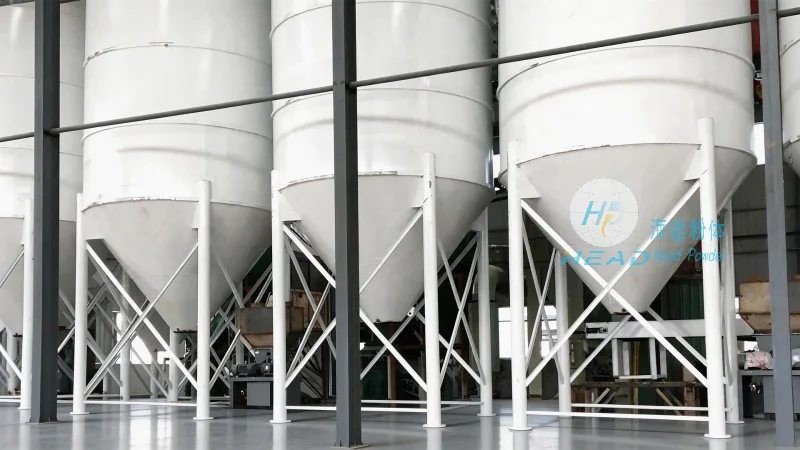
The velocity of the air in the pipeline is a critical factor in the system's design. It must be sufficient to maintain the material in suspension and overcome any resistance in the pipeline, such as bends or fittings. The air velocity is typically calculated based on the material's properties, including its density, particle size, and flowability. Proper air velocity ensures that the material is conveyed efficiently without causing excessive wear on the pipeline or equipment.
Another important design consideration is the system's capacity and pressure drop. The capacity of the system is determined by the flow rate of the material and the air velocity, while the pressure drop is influenced by the length of the pipeline, the number of bends, and the type of fittings used. Engineers must carefully calculate these parameters to ensure that the system operates within its design limits and achieves the desired conveying efficiency.
Advantages of Negative Pressure Suction Type Pneumatic Conveying Systems
Compared to other pneumatic conveying methods, negative pressure suction systems offer several advantages that make them suitable for a wide range of industrial applications. These include:
1. Minimal Material Contamination: The closed-loop operation of the system prevents the material from coming into contact with external contaminants, making it ideal for handling food, pharmaceuticals, and other sensitive products.
2. Quiet Operation: Unlike positive pressure systems, which can be noisy due to the high-pressure air, negative pressure systems operate at lower pressures, resulting in quieter operation and reduced noise pollution.
3. Energy Efficiency: The vacuum-based operation of the system is generally more energy-efficient than positive pressure systems, as it requires less power to maintain the conveying process.
4. Flexibility in Layout: The system can be easily integrated into existing industrial layouts, with the conveying line able to follow the contours of the facility, making it suitable for complex or irregular spaces.
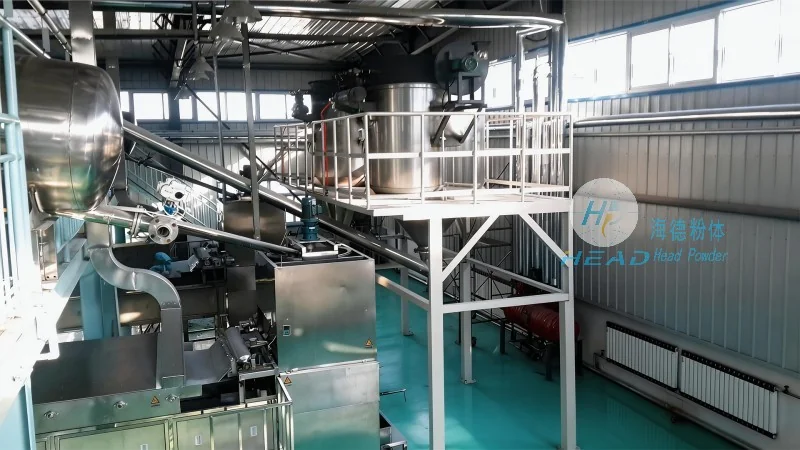
5. Reduced Maintenance: The absence of high-pressure components in the conveying line reduces the risk of wear and tear, leading to lower maintenance costs and longer equipment lifespan.
Applications and Industries
Negative pressure suction type pneumatic conveying systems are widely used in various industries, including:
1. Food and Pharmaceutical: For handling dry powders, granules, and other food-grade materials, ensuring compliance with hygiene and safety standards.
2. Chemical and Petrochemical: For transporting abrasive or corrosive materials, where the closed-loop system prevents contamination and protects equipment.
3. Mineral and Mining: For conveying bulk materials such as coal, ore, and sand, in mining and processing operations.
4. Plastics and Rubber: For handling plastic pellets, powders, and other materials in manufacturing and processing plants.
5. Construction Materials: For transporting cement, sand, and other building materials in construction and infrastructure projects.
Conclusion
In conclusion, the negative pressure suction type pneumatic conveying system equipment is a sophisticated and efficient solution for bulk material handling in industrial settings. Its design, based on fundamental principles of fluid dynamics and material science, ensures reliable and continuous operation while offering several advantages over traditional conveying methods. As industries continue to demand higher efficiency and lower environmental impact, such systems play a vital role in optimizing material handling processes and improving overall operational performance.




