Alumina powder handling is a critical process in various industrial applications, particularly in sectors like ceramics, refractories, and chemical manufacturing. The efficient and safe transport of alumina powder from one point to another is essential for maintaining production efficiency and product quality. This article delves into the fundamental aspects of alumina powder handling, focusing on the core design principles that underpin effective systems.
Understanding the Basics of Alumina Powder Handling
Alumina, or aluminum oxide (Al₂O₃), is a widely used material in industrial processes due to its high thermal stability, chemical inertness, and mechanical strength. When processed as a powder, it poses unique challenges during handling and transportation. The primary concerns include preventing agglomeration, minimizing dust generation, and ensuring consistent flow characteristics. These factors directly impact the performance of downstream equipment and the overall reliability of the production line.
Key Design Principles for Alumina Powder Handling Systems
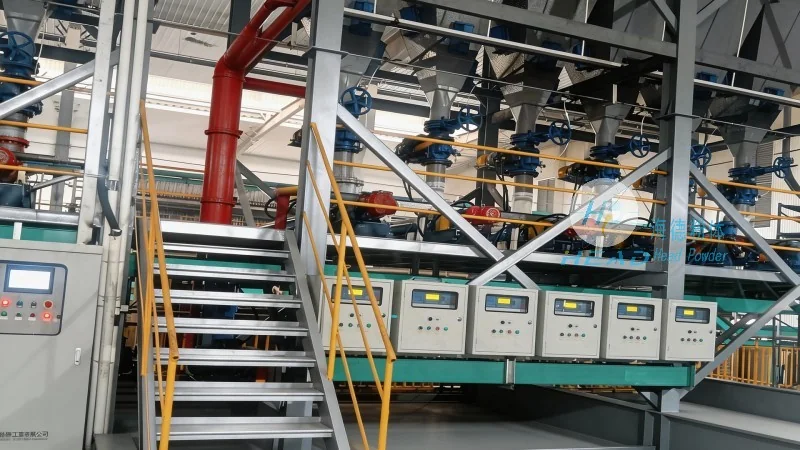
The design of alumina powder handling systems must address several critical parameters to ensure optimal operation. First, the system must maintain the powder's physical properties, such as particle size distribution and moisture content, to avoid degradation. This often requires the use of specialized equipment like rotary valves, airlocks, and conveyor systems that minimize particle attrition. Second, the system must control dust generation to protect both personnel and equipment. Enclosed systems with effective filtration and dust collection are standard in modern alumina handling setups. Third, the design must consider the flow characteristics of the powder, including its bulk density and angle of repose, to ensure smooth and consistent transport. Properly sized and configured components, such as hoppers and chutes, are essential to prevent blockages and ensure reliable material movement.
Components and Equipment in Alumina Powder Handling
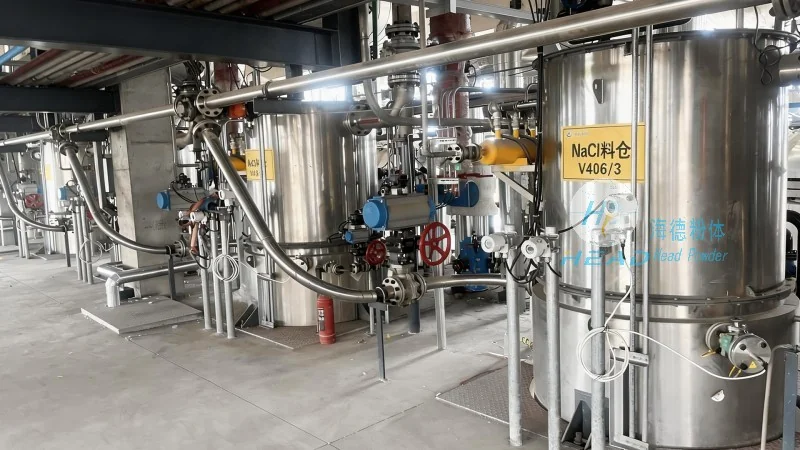
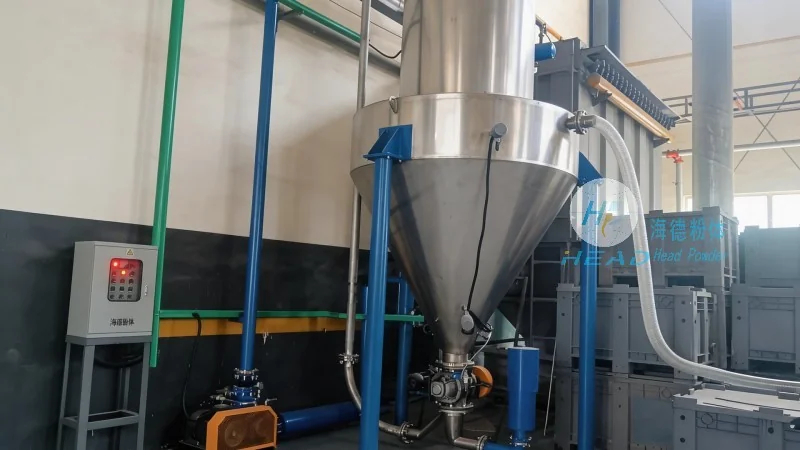
Effective alumina powder handling relies on a combination of specialized components working in harmony. Key equipment includes feeders, which control the rate of material discharge from storage hoppers. Rotary airlocks and star valves are commonly used to isolate different sections of the system and prevent backflow. Conveyor systems, such as pneumatic or mechanical conveyors, transport the powder between processing stages. Hoppers and silos are used for storage, with designs that minimize segregation and maintain uniform material flow. Additionally, dust collection systems, including baghouses or cartridge filters, are integral to maintaining a clean and safe working environment.
The Role of Material Properties in Handling Design
The physical and chemical properties of alumina powder significantly influence the design of handling systems. For instance, the particle size distribution affects the flowability and dust generation potential. Coarser particles may require different equipment configurations compared to fine powders. Moisture content is another critical factor, as excessive moisture can lead to caking and blockages. The system design must account for these variations to ensure consistent performance. Furthermore, the chemical inertness of alumina allows for the use of materials like stainless steel and polyethylene in the construction of handling equipment, which resist corrosion and maintain product purity.
Ensuring Safety and Compliance in Alumina Handling
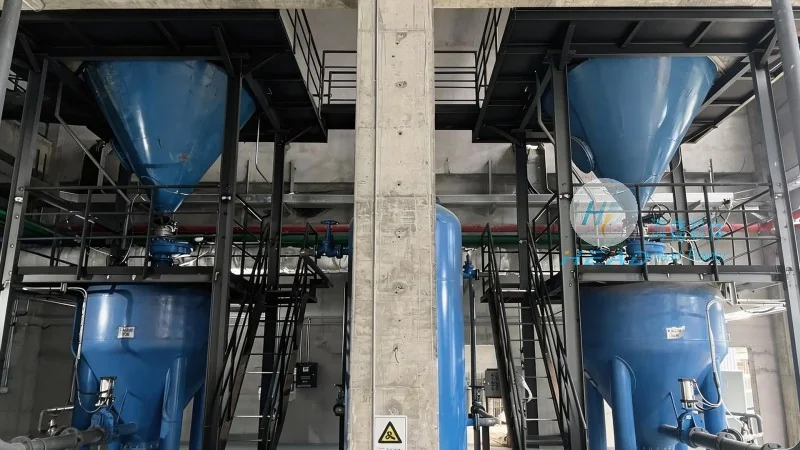
Alumina powder handling systems must adhere to strict safety and regulatory standards. The potential for dust explosions in industrial settings necessitates the implementation of explosion-proof designs and proper ventilation. Personal protective equipment (PPE) and engineering controls are essential to protect workers from inhalation hazards. Compliance with local and international regulations, such as those from OSHA or the European Union, is mandatory to ensure operational safety. Regular maintenance and inspection of equipment are also critical to prevent failures and maintain system integrity.
Conclusion: The Importance of Proper Design in Alumina Powder Handling
Effective alumina powder handling is a complex process that requires careful consideration of material properties, system design, and operational safety. By adhering to the core design principles outlined above, industries can achieve efficient, reliable, and safe transport of alumina powder. The expertise of companies like Shandong HeadPowder Engineering Co., Ltd. plays a vital role in developing tailored solutions that meet the specific needs of each application. With a focus on innovation and adherence to industry standards, such companies contribute to the advancement of alumina handling technology, ensuring sustainable and efficient industrial operations.




