Understanding the cocoa powder conveying system is essential for industries dealing with cocoa processing, as it ensures efficient and safe transportation of this valuable ingredient. This article explores the core components, operational principles, and design considerations of such systems, providing insights into how they enhance productivity and maintain product quality.
Introduction to Cocoa Powder Conveying Systems
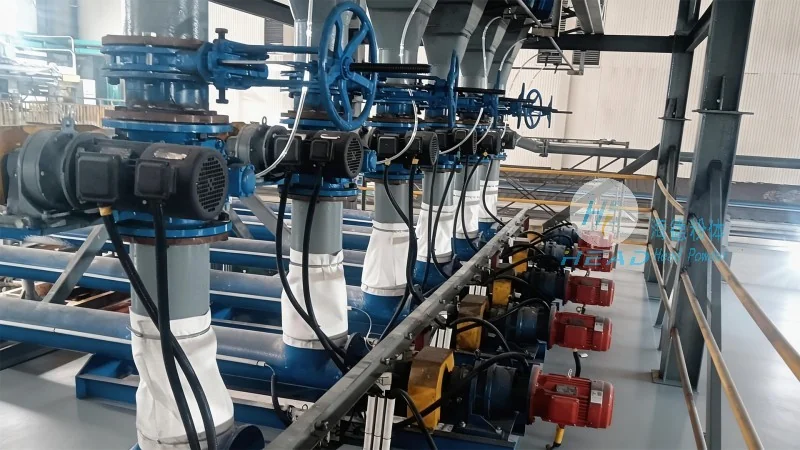
A cocoa powder conveying system is a specialized piece of equipment designed to transport cocoa powder from one location to another within a processing facility. These systems are critical in the food and beverage industry, particularly in chocolate manufacturing, where the consistent and hygienic movement of cocoa powder is paramount. The system typically includes components like hoppers, conveyors, and control mechanisms that work together to handle the fine, powdery nature of cocoa without causing degradation or contamination.
About HeadPowder: Shandong HeadPowder Engineering Co., Ltd.
HeadPowder, or Shandong HeadPowder Engineering Co., Ltd., is a leading manufacturer specializing in powder handling solutions. With a strong presence in China, particularly in Shandong, the company has built a reputation for delivering high-quality, reliable conveying systems tailored to the unique needs of the cocoa processing industry. Their expertise lies in understanding the challenges of handling fine powders, such as cocoa, and designing systems that optimize efficiency, reduce downtime, and ensure compliance with industry standards.
Design Principles of Cocoa Powder Conveying Systems
The design of a cocoa powder conveying system is guided by several key principles aimed at ensuring effective operation and product integrity. One of the primary considerations is the prevention of powder bridging and caking, which can occur due to the fine particle size and hygroscopic nature of cocoa powder. To address this, systems often incorporate features like agitators, vibrators, or air-assisted mechanisms that keep the powder in a fluidized state, preventing blockages in the hopper and conveyor.
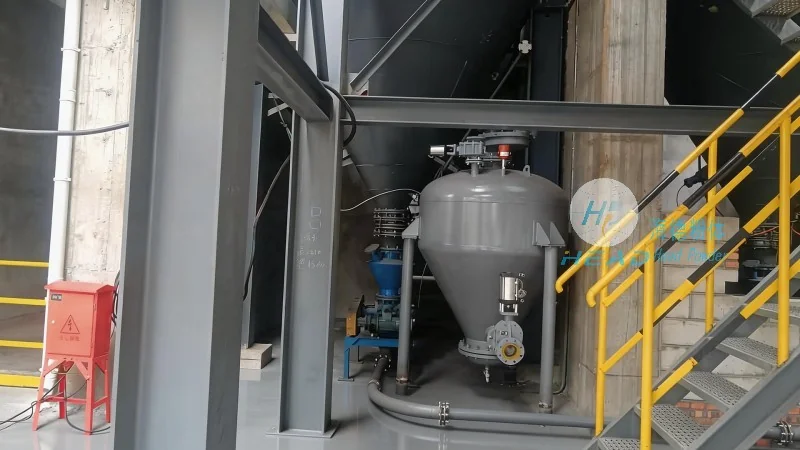
Another critical design principle is the maintenance of a sterile and hygienic environment. Since cocoa is used in food products, the conveying system must be constructed from materials that are easy to clean and sanitize, such as stainless steel. The design also includes sealed components to prevent cross-contamination and dust emissions, which are essential for maintaining product quality and adhering to regulatory requirements.
Efficiency and energy conservation are also key design aspects. Modern cocoa powder conveying systems utilize energy-efficient motors and variable speed drives to control the flow rate, allowing for precise control over the amount of powder being transported. This not only reduces energy consumption but also enhances operational flexibility, enabling adjustments based on production demands.
Key Components and Their Functions
A typical cocoa powder conveying system consists of several interconnected components, each playing a vital role in the overall operation. The hopper is the initial storage container, designed to hold the cocoa powder and provide a stable base for the conveying process. It is often equipped with a discharge valve or gate to control the flow of powder into the conveyor.
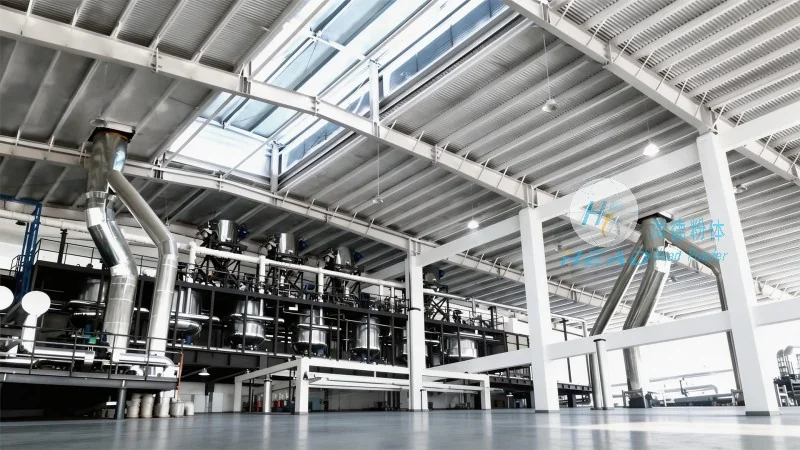
The conveyor itself is the heart of the system, responsible for moving the cocoa powder from the hopper to the destination. There are various types of conveyors used, including screw conveyors, pneumatic conveyors, and belt conveyors. For cocoa powder, pneumatic conveyors are commonly preferred due to their ability to handle fine powders without the need for mechanical contact, reducing the risk of particle degradation.
The control system manages the entire operation, monitoring parameters like flow rate, pressure, and temperature. It ensures that the system operates within safe and optimal parameters, alerting operators to any issues such as blockages or abnormal pressure changes. This automation enhances reliability and reduces the need for manual intervention, minimizing downtime and improving overall productivity.
Benefits of an Effective Cocoa Powder Conveying System
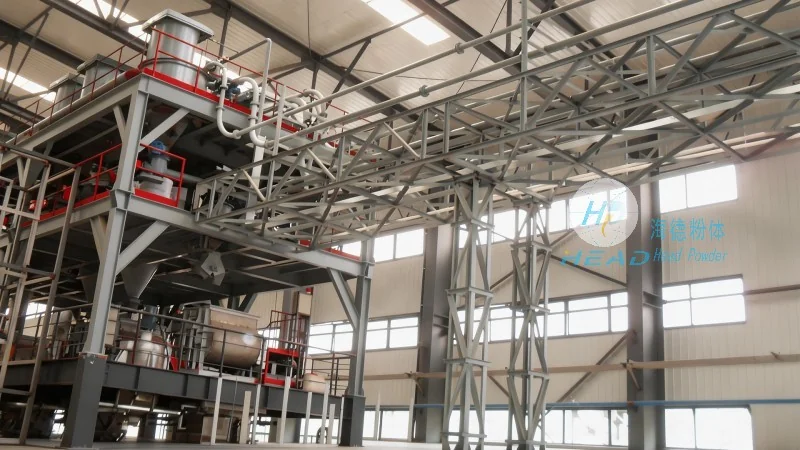
Implementing a well-designed cocoa powder conveying system offers numerous benefits for cocoa processing facilities. Firstly, it improves operational efficiency by ensuring a consistent and continuous flow of cocoa powder, reducing bottlenecks and increasing production throughput. This leads to higher output and better resource utilization.
Secondly, it enhances product quality by maintaining the integrity of the cocoa powder. By preventing agglomeration, caking, or contamination, the system ensures that the final product meets the required standards for color, flavor, and texture. This is particularly important in chocolate manufacturing, where the quality of cocoa directly impacts the final product.
Thirdly, it improves safety and hygiene in the workplace. The sealed design of the system prevents dust emissions, reducing the risk of respiratory issues among workers and maintaining a clean working environment. Additionally, the easy-to-clean construction facilitates regular sanitation, which is crucial for compliance with food safety regulations.
Conclusion
In conclusion, a cocoa powder conveying system is a sophisticated piece of equipment that plays a crucial role in the efficient and safe handling of cocoa powder. The design principles, components, and operational strategies employed in such systems are tailored to address the unique challenges of processing fine, hygroscopic powders. Companies like Shandong HeadPowder Engineering Co., Ltd. have mastered these principles, providing reliable solutions that enhance productivity, maintain product quality, and ensure compliance with industry standards. For any facility dealing with cocoa processing, investing in a well-designed conveying system is a strategic decision that yields long-term benefits.




