When it comes to industrial processes involving powders, maintaining a clean and controlled environment is paramount. This is where dust-free powder handling equipment comes into play, offering solutions that ensure safety, efficiency, and compliance with industry standards. In this article, we will explore what these specialized systems are and delve into the fundamental design principles that make them effective.
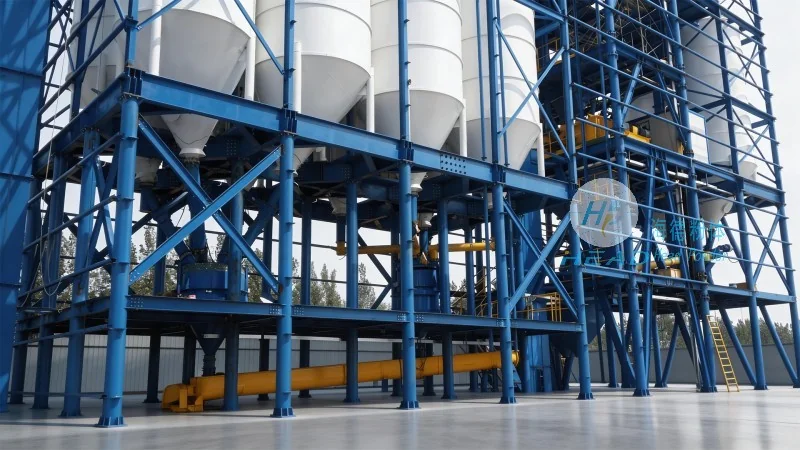
Introduction to Dust-Free Powder Handling Equipment
Dust-free powder handling equipment, also known as dust-free powder conveying systems, is a critical component in various industries such as pharmaceuticals, food processing, and chemical manufacturing. These systems are engineered to transport powders without generating airborne particles, thereby preventing contamination and ensuring product integrity. The primary goal is to maintain a controlled environment where dust and particulate matter are minimized, which is essential for applications requiring high purity and adherence to stringent regulations.
Key Components and Functionality
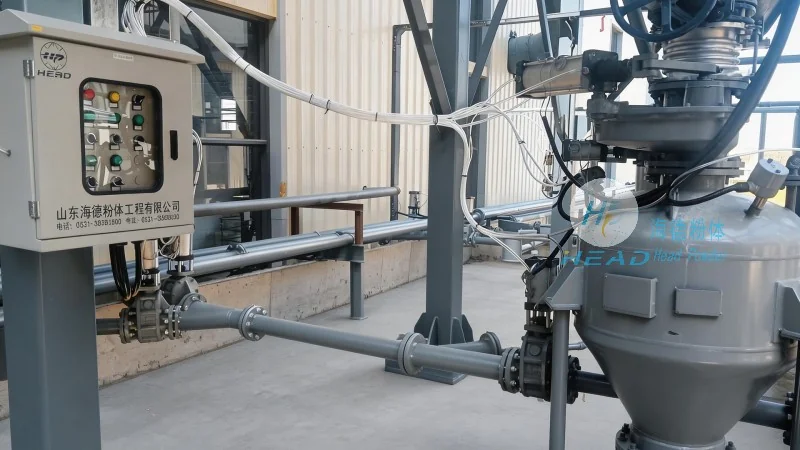
The effectiveness of dust-free powder handling equipment relies on several key components that work in harmony to achieve the desired outcomes. These components typically include sealed conveying lines, dust collection systems, and specialized valves and feeders. The sealed design is crucial as it prevents the escape of powders into the surrounding environment, reducing the risk of dust explosions and cross-contamination. Additionally, advanced dust collection mechanisms, such as cyclones or bag filters, are integrated to capture any particles that may be generated during the conveying process, ensuring that the air is returned to the facility in a clean state.
Design Principles for Optimal Performance
The design of dust-free powder handling equipment is guided by several core principles aimed at maximizing efficiency and reliability. One of the most important principles is the use of airtight and sealed systems. This design minimizes the potential for powder leakage and airborne dust, which is critical in industries where product purity is non-negotiable. Another key principle is the incorporation of gentle handling mechanisms. Many systems utilize low-pressure or vacuum conveying methods that minimize particle attrition and agglomeration, preserving the physical properties of the powder. This is particularly important for delicate materials that could be damaged by high-impact or high-pressure handling.
Material Considerations and Construction
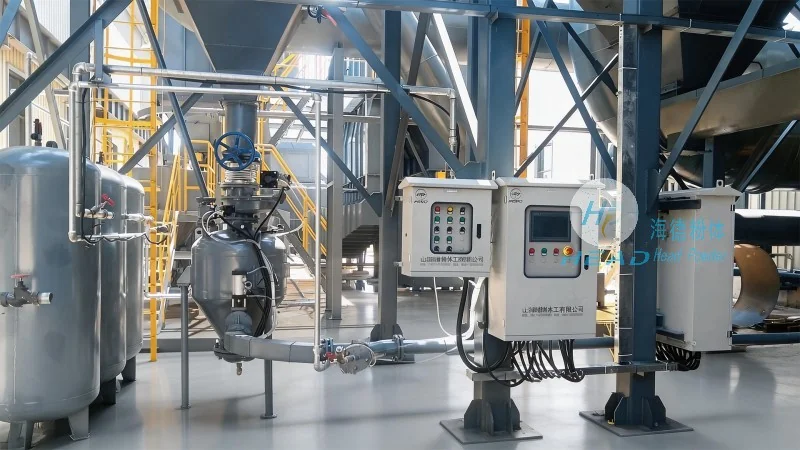
The construction of dust-free powder handling equipment must consider the specific characteristics of the powders being handled. Materials such as stainless steel, PTFE, or food-grade plastics are commonly used to ensure compatibility with various substances and to prevent contamination. The choice of materials also affects the equipment's durability and resistance to corrosion or wear. For example, stainless steel is preferred for its strength and resistance to chemical exposure, while PTFE is chosen for its non-stick properties and ability to handle high-purity applications. The design may also include features like smooth surfaces and rounded corners to minimize powder buildup and facilitate cleaning, which is essential for maintaining hygiene standards.
Applications and Industry Impact
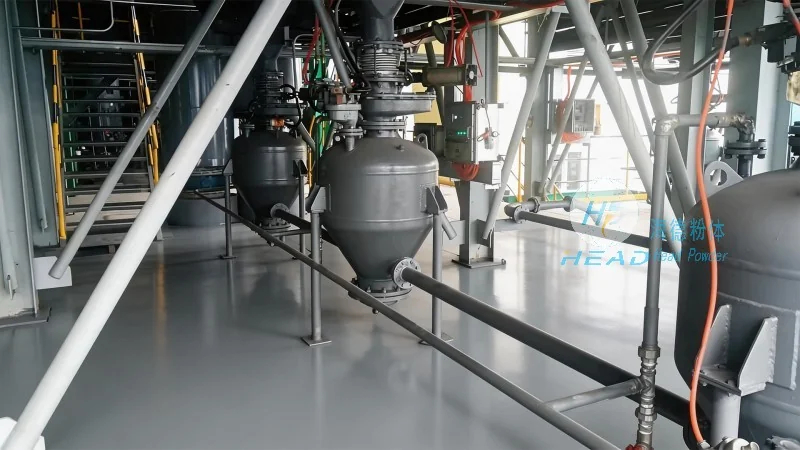
Dust-free powder handling equipment finds applications across a wide range of industries, each with unique requirements. In the pharmaceutical industry, for instance, these systems are vital for transporting active pharmaceutical ingredients (APIs) and excipients while maintaining sterile conditions. The food processing sector relies on them to handle ingredients like flour, sugar, and spices without introducing contaminants that could affect product quality or safety. In chemical manufacturing, they are used to convey raw materials and intermediates, ensuring that the production process remains efficient and compliant with environmental regulations. The impact of these systems extends beyond just material handling; they contribute to overall operational safety by reducing the risk of dust explosions and improving workplace conditions.
Conclusion and Company Overview
In conclusion, dust-free powder handling equipment is a sophisticated solution designed to address the challenges of transporting powders in a controlled and safe manner. The design principles, components, and construction all work together to ensure that powders are handled efficiently while maintaining the highest standards of purity and safety. As industries continue to demand more precise and reliable processing methods, the importance of these systems will only grow. Shandong HeadPowder Engineering Co., Ltd., a leading provider in this field, specializes in developing and manufacturing such equipment tailored to the specific needs of various industries. With a focus on innovation and adherence to industry best practices, HeadPowder offers solutions that enhance operational efficiency and compliance, helping businesses achieve their goals in a safe and sustainable manner.




