A negative pressure powder conveying line, also known as a vacuum conveying system, is a specialized equipment used to transport dry powders and granules from one location to another. This system is widely adopted in industries such as pharmaceuticals, food processing, chemicals, and minerals, where maintaining the purity and quality of the powder is essential. The system typically consists of a vacuum pump, a hopper or feeder, a filter, and a pipeline network. The entire process operates under a controlled negative pressure, preventing dust emissions and ensuring a clean transfer environment. Shandong HeadPowder Engineering Co., Ltd., a leading manufacturer in this field, specializes in designing and supplying high-quality negative pressure powder conveying lines tailored to meet the specific needs of various industries.
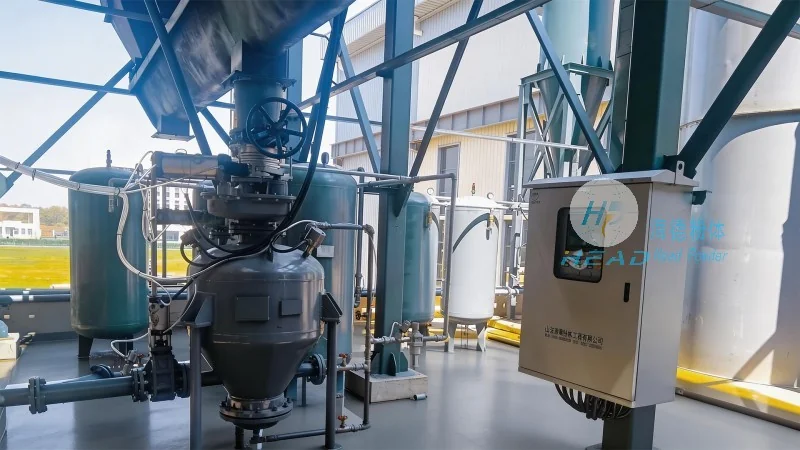
Introduction to Negative Pressure Powder Conveying Lines
A negative pressure powder conveying line is a sealed system that uses suction to draw powders from a source to a destination. Unlike positive pressure systems that push material through a pipeline, negative pressure systems create a vacuum to pull the material. This approach is particularly valuable in applications where dust control, material integrity, and environmental compliance are critical. The system's design ensures that powders remain contained within the pipeline, reducing exposure to the external environment and minimizing health and safety risks. The core components include a vacuum pump, which generates the suction force, a feeder that controls the material flow, a filter that protects the pump from contamination, and a network of pipelines that connect the source and destination. The entire operation is managed under a consistent negative pressure, maintaining the integrity of the material and the efficiency of the system.
Design Principles of Negative Pressure Powder Conveying Lines
The design of a negative pressure powder conveying line is centered on several key principles to ensure optimal performance and reliability. First, the system must maintain a stable negative pressure throughout the pipeline to create an effective suction force. This is achieved through the use of a high-efficiency vacuum pump, which can handle varying material properties and flow rates. The pump's capacity is matched to the system's requirements, ensuring that it can maintain the necessary vacuum without excessive energy consumption. Second, the system incorporates robust sealing mechanisms to prevent leaks and maintain the vacuum. High-quality valves, seals, and connectors are used to minimize air ingress, which could reduce the suction force and compromise system efficiency. Third, the design emphasizes filtration and separation to protect the vacuum pump and downstream equipment from contamination. The filter, often a bag or cartridge filter, captures fine particles and prevents them from entering the pump, extending its lifespan and maintaining system performance. Additionally, the system may include pressure relief valves and safety interlocks to prevent over-pressurization and ensure safe operation.
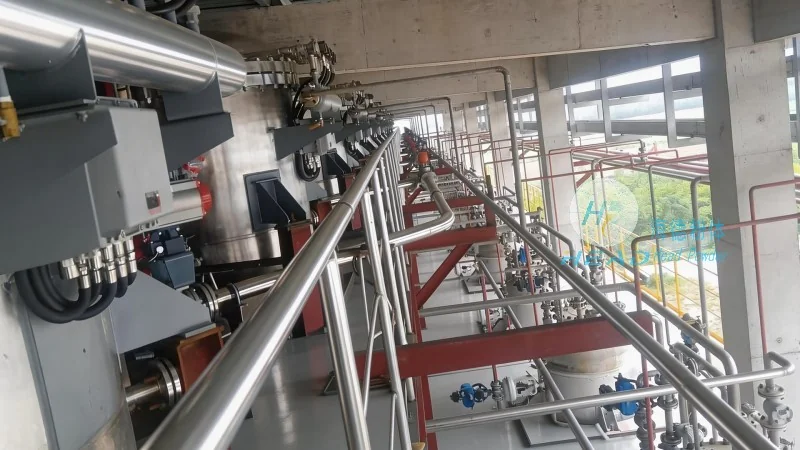
Key Components and Their Functions
Several critical components make up a negative pressure powder conveying line, each playing a vital role in the overall operation. The vacuum pump is the heart of the system, providing the necessary suction to draw the powder. It can be a rotary vane pump, a liquid ring pump, or a Roots blower, depending on the application's requirements. The hopper or feeder is where the powder is loaded, and it may include a rotary valve or a star feeder to control the flow rate and prevent blockages. The pipeline network connects the source and destination, typically made of stainless steel or other corrosion-resistant materials to withstand the abrasive nature of powders. The filter is essential for maintaining the vacuum and protecting the pump, with options ranging from simple bag filters to advanced cartridge filters with high filtration efficiency. The control system manages the operation of the pump, feeder, and filter, ensuring smooth and continuous material transfer. It may include sensors to monitor pressure, flow, and filter status, providing feedback to optimize performance.
Advantages of Negative Pressure Powder Conveying Lines
Implementing a negative pressure powder conveying line offers numerous advantages over traditional methods. One of the most significant benefits is the excellent dust control. By operating under negative pressure, the system prevents the release of powders into the environment, reducing health hazards and maintaining a clean workspace. This is particularly important in industries where powders are hazardous or where environmental regulations are strict. Another advantage is the ability to handle a wide range of powder characteristics, including fine powders, cohesive materials, and materials with high moisture content. The suction force can be adjusted to accommodate different flow rates and particle sizes, making the system versatile. Furthermore, the sealed system ensures that the material's integrity is preserved, preventing contamination from external sources and maintaining the quality of the product. This is crucial in applications such as pharmaceuticals and food processing, where product purity is non-negotiable. Additionally, the system is energy-efficient compared to positive pressure systems, as it uses less power to operate under vacuum rather than pressure.
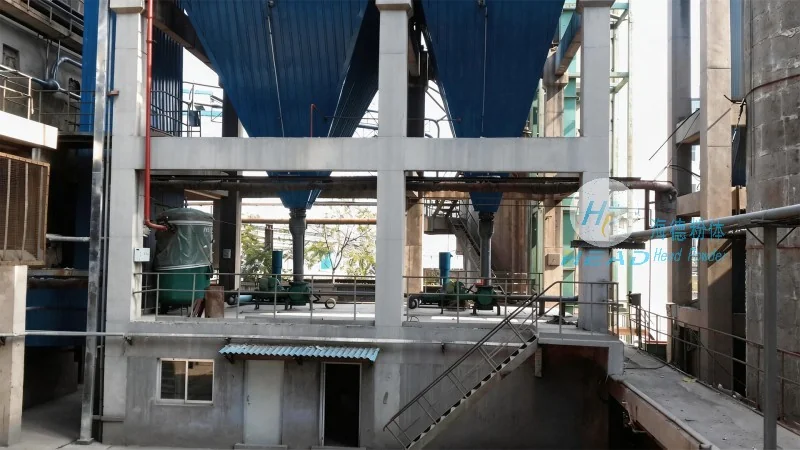
Applications in Various Industries
Negative pressure powder conveying lines are widely used across multiple industries due to their adaptability and efficiency. In the pharmaceutical industry, these systems are used to transport active pharmaceutical ingredients (APIs) and excipients, ensuring that the powders remain sterile and free from contamination. The sealed environment and filtration systems meet the stringent regulatory requirements of the industry. In the food processing sector, they are employed to handle powders like sugar, flour, and spices, maintaining the product's quality and preventing cross-contamination. The chemical industry uses these systems to transport raw materials and intermediates, especially those that are toxic or reactive. The minerals and mining industry also benefits from this technology, as it allows for the efficient handling of ores and other bulk materials. Additionally, in the agricultural sector, negative pressure conveying lines are used to transport fertilizers and other agricultural powders, improving the efficiency of material handling and reducing dust exposure for workers. The versatility of the system makes it suitable for a wide range of applications, from small-scale laboratory use to large-scale industrial operations.
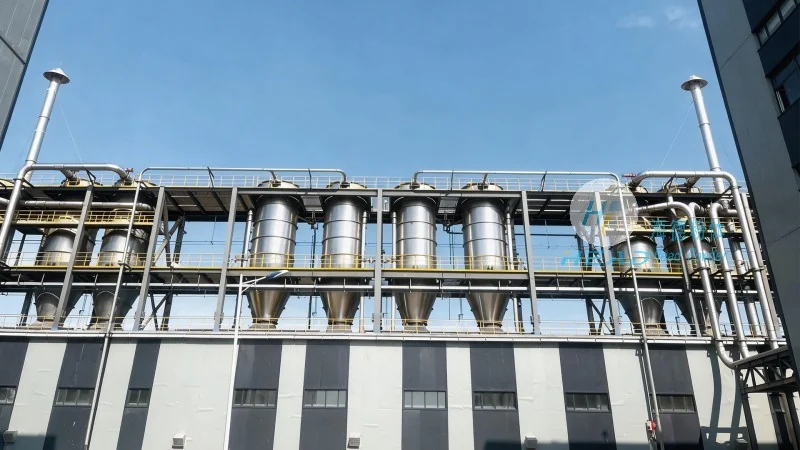
Maintenance and Operational Considerations
Proper maintenance is essential to ensure the long-term performance and reliability of a negative pressure powder conveying line. Regular inspection of the vacuum pump, filters, and seals is necessary to detect and address any issues before they become major problems. The filter should be cleaned or replaced regularly to maintain the system's efficiency and prevent pressure drops. The pipeline should be checked for blockages or leaks, as these can affect the suction and cause system inefficiencies. Operational considerations also include the proper loading of the hopper to avoid overfilling, which can lead to material bridging and blockages. Additionally, the system should be operated within the recommended flow rates and pressure ranges to prevent damage to components. Training operators on the proper use and maintenance of the system is also crucial to ensure safe and efficient operation. Regular maintenance schedules, including cleaning the filter, checking pump performance, and inspecting seals, help to extend the lifespan of the equipment and minimize downtime.
Conclusion
Overall, a negative pressure powder conveying line is a sophisticated and effective solution for bulk powder handling. Its design principles, which focus on maintaining a negative pressure environment, robust sealing, and efficient filtration, ensure that powders are transported safely and efficiently. The system's advantages, including excellent dust control, versatility, and product integrity preservation, make it a preferred choice in various industries. With proper maintenance and operational practices, this technology can provide reliable and long-lasting performance, contributing to the overall efficiency and safety of powder handling operations. As industries continue to demand higher standards of material handling, the negative pressure powder conveying line remains a critical component in achieving these goals. Shandong HeadPowder Engineering Co., Ltd. continues to innovate and provide tailored solutions to meet the evolving needs of the market, ensuring that clients benefit from the latest advancements in powder conveying technology.




