Understanding the automatic powder feeding and conveying system is crucial for industries that rely on efficient material handling. This system is designed to automate the process of handling, measuring, and transporting powders, ensuring precision and consistency in various applications. The following sections will explore the core components, operational principles, and design considerations of such systems, providing a comprehensive overview for professionals in the field.
Core Components of an Automatic Powder Feeding and Conveying System
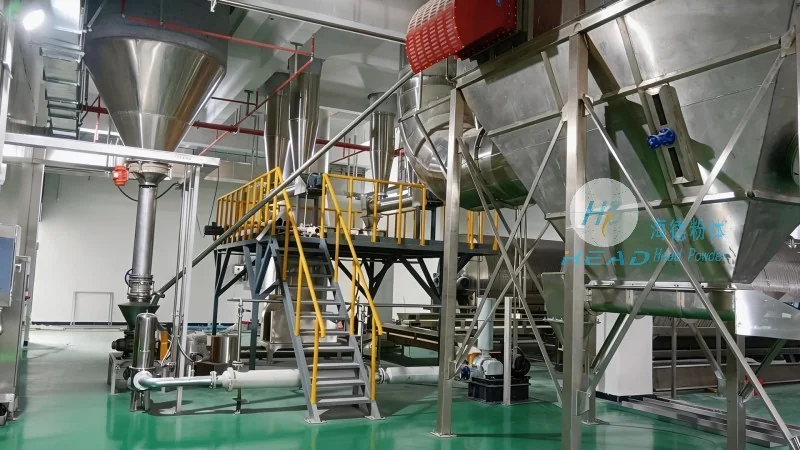
An automatic powder feeding and conveying system typically consists of several key components that work in tandem to achieve seamless material handling. The primary elements include a powder feeder, which is responsible for accurately measuring and dispensing the required amount of powder. This component may utilize technologies such as gravimetric or volumetric measurement to ensure precision. The feeder is often integrated with a conveying mechanism, such as a screw conveyor, pneumatic conveyor, or belt conveyor, which transports the powder from the feeder to the processing equipment. Additionally, the system may incorporate a control unit that manages the entire operation, including feeding rates, conveyor speed, and safety features. Sensors and feedback mechanisms are also critical for monitoring the system's performance and making real-time adjustments to maintain optimal operation.
Design Principles and Operational Mechanisms
The design of an automatic powder feeding and conveying system is guided by several fundamental principles aimed at maximizing efficiency, reliability, and safety. One of the key design principles is the integration of precision measurement and control. This ensures that the exact amount of powder is delivered to the processing line, reducing waste and improving product quality. The system's design also emphasizes durability and ease of maintenance, with components constructed from materials resistant to corrosion and wear, such as stainless steel or specialized polymers. Safety features are integral to the design, including overload protection, emergency stop mechanisms, and interlocks to prevent accidental exposure to moving parts. The operational mechanism involves the powder being fed from a storage hopper into the feeder, where it is measured and then transferred to the conveyor. The conveyor then transports the powder to the target location, such as a mixer, reactor, or packaging unit. The entire process is automated, reducing the need for manual intervention and minimizing the risk of human error.
Applications and Industries Benefiting from This Technology
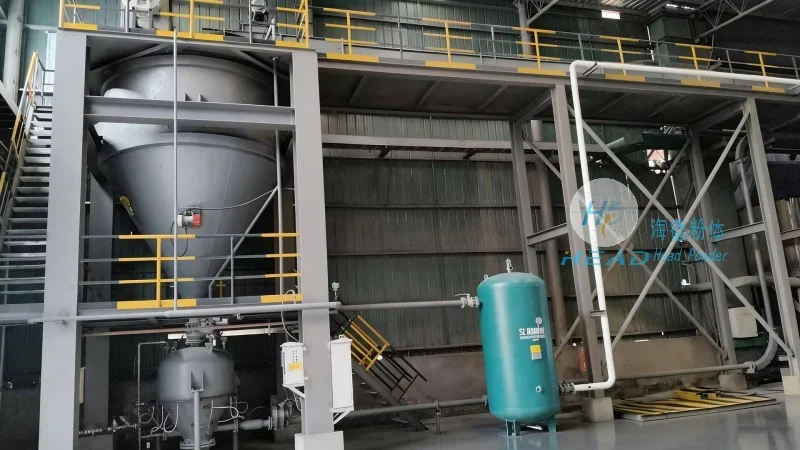
The automatic powder feeding and conveying system finds extensive applications across various industries, including pharmaceuticals, food processing, chemical manufacturing, and mining. In the pharmaceutical industry, precision is paramount, as the system ensures accurate dosing of active ingredients, adhering to strict regulatory standards. In food processing, the system maintains hygiene and safety by preventing cross-contamination and ensuring consistent product quality. Chemical manufacturers benefit from the system's ability to handle a wide range of powders, from reactive chemicals to inert materials, while maintaining process control. Mining and mineral processing industries utilize the system for bulk material handling, improving efficiency and reducing labor costs. The versatility of the automatic powder feeding and conveying system makes it a valuable asset in any operation that requires reliable and consistent powder handling.
Advantages of Implementing an Automatic Powder Feeding and Conveying System
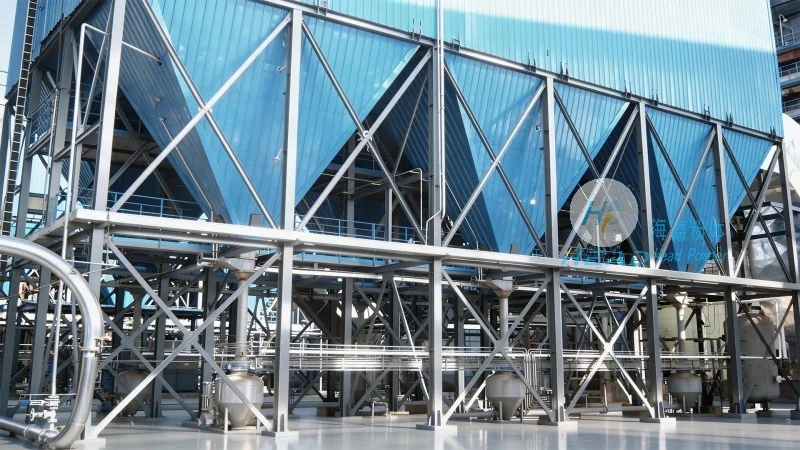
Adopting an automatic powder feeding and conveying system offers numerous advantages for businesses. The primary benefit is enhanced efficiency and productivity, as the system operates continuously without the need for breaks or manual adjustments. This leads to reduced downtime and increased output. Additionally, the system improves product quality by ensuring consistent and accurate powder delivery, which is critical in applications where variations can impact performance. Cost savings are another significant advantage, as the system reduces labor costs associated with manual feeding and minimizes material waste through precise measurement. The automation also enhances safety in the workplace by minimizing human exposure to hazardous materials and reducing the risk of accidents. Furthermore, the system's modular design allows for easy integration with existing production lines and scalability to accommodate future growth.
Conclusion and Company Overview
In conclusion, the automatic powder feeding and conveying system is a sophisticated piece of equipment designed to streamline the handling of powders in industrial settings. Its design principles focus on precision, reliability, and safety, while its operational mechanisms ensure efficient and consistent performance. The system's applications span multiple industries, providing significant benefits in terms of productivity, quality, and cost-effectiveness. For companies seeking to enhance their material handling processes, investing in such a system is a strategic decision that can lead to long-term operational improvements. Shandong HeadPowder Engineering Co., Ltd., a leading provider in this field, specializes in designing and manufacturing high-quality automatic powder feeding and conveying systems tailored to meet the diverse needs of various industries. With a commitment to innovation and customer satisfaction, HeadPowder offers solutions that enhance efficiency and reliability in powder handling operations.




