Lightweight aggregate powder conveying systems are essential in industrial applications where the efficient transport of bulk materials is critical. These systems are engineered by Shandong HeadPowder Engineering Co., Ltd., a leading manufacturer specializing in bulk material handling solutions. Understanding the equipment and its design principles is crucial for optimizing material handling operations and ensuring operational efficiency.
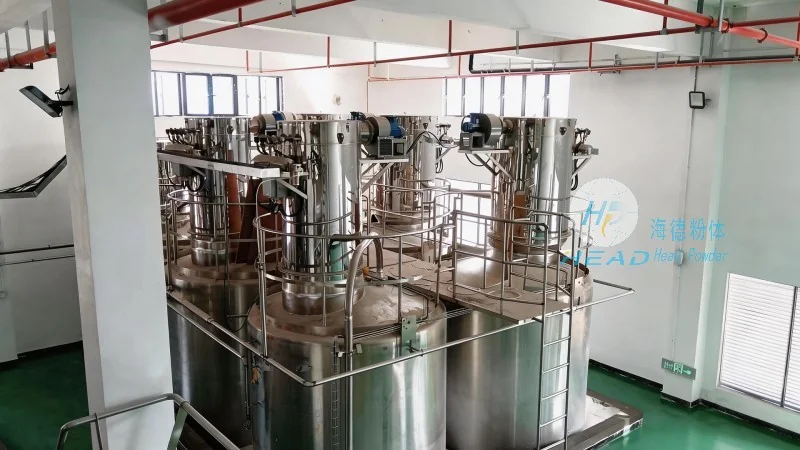
Introduction to Lightweight Aggregate Powder Conveying Systems
Lightweight aggregate powder conveying systems are specialized equipment designed to transport fine powders and granular materials, such as lightweight aggregates, over long distances with minimal loss and maximum efficiency. The primary goal of these systems is to provide a reliable and consistent method for moving bulk materials from one location to another, often in industrial settings like construction sites, manufacturing plants, or material processing facilities. The systems are typically composed of several key components, including hoppers, conveyors, and control mechanisms, all working in tandem to ensure smooth and continuous material flow.
The Role of Lightweight Aggregate Powder Conveying Systems in Industrial Operations
In industrial operations, the efficient handling of lightweight aggregates is vital for maintaining productivity and reducing downtime. These systems play a crucial role in ensuring that materials are transported safely and effectively, minimizing the risk of material spillage or blockages. By utilizing advanced design principles, the equipment can handle a wide range of particle sizes and densities, making it suitable for various applications, from construction projects to material processing in manufacturing. The ability to convey materials over extended distances without significant degradation or loss is a key advantage of these systems, contributing to overall operational efficiency.
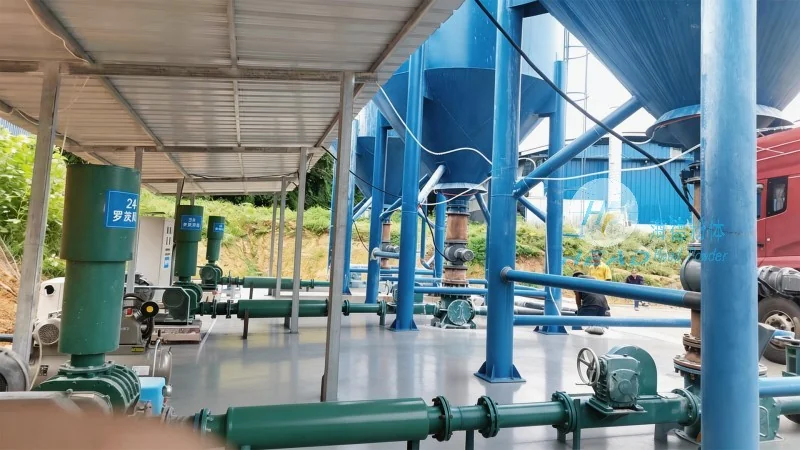
Design Principles of Lightweight Aggregate Powder Conveying Equipment
The design of lightweight aggregate powder conveying systems is based on several fundamental principles that ensure optimal performance and reliability. One of the primary design considerations is the selection of appropriate materials for the system components, such as hoppers and conveyors, to prevent material buildup and ensure smooth flow. The system's design also incorporates features like adjustable speed controls and pressure relief mechanisms to handle varying material loads and prevent system overloads. Additionally, the integration of advanced control systems allows for real-time monitoring and adjustment of the conveying process, enhancing operational flexibility and reducing the risk of operational issues.
Key Components and Their Functions in the Conveying System
The lightweight aggregate powder conveying system consists of several key components, each playing a critical role in the overall operation. The hopper is the primary component where the material is loaded, and it is designed to provide a consistent feed rate to the conveyor. The conveyor itself is responsible for transporting the material from the hopper to the discharge point, and it can be of various types, such as pneumatic or mechanical conveyors, depending on the specific application requirements. The control system manages the operation of the conveyor, adjusting speed and pressure as needed to maintain optimal material flow. Additionally, the system may include features like dust collection and filtration to ensure environmental compliance and maintain air quality in the work environment.
Benefits of Using Lightweight Aggregate Powder Conveying Systems
Implementing a lightweight aggregate powder conveying system offers numerous benefits for industrial operations. One of the main advantages is the significant reduction in labor costs associated with manual material handling, as the system automates the entire process. Additionally, the equipment enhances safety by minimizing the risk of material spills and exposure to dust, which can be hazardous to workers. The consistent and reliable material flow also improves production efficiency, as it reduces downtime and ensures a steady supply of materials to the processing equipment. Furthermore, the system's design allows for easy integration with other industrial processes, making it a versatile solution for various applications.
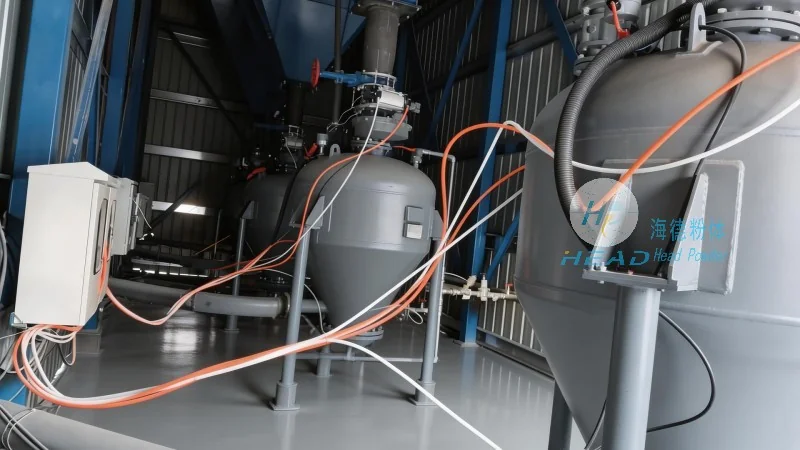
Application Examples and Industry Use Cases
Lightweight aggregate powder conveying systems are widely used in various industries, including construction, manufacturing, and material processing. In the construction industry, these systems are commonly used to transport lightweight aggregates for concrete production, providing a consistent supply of materials to mixing plants. In manufacturing, the systems are used to convey powders and granules for various production processes, such as coating or compounding. The versatility of the equipment makes it suitable for a wide range of applications, from small-scale operations to large industrial facilities. The ability to handle different material types and sizes makes it a valuable asset for companies looking to optimize their material handling processes.
Conclusion and Future Developments
Lightweight aggregate powder conveying systems are essential equipment for modern industrial operations, providing efficient and reliable transport of bulk materials. The design principles and components of these systems are carefully engineered to ensure optimal performance and safety. As technology advances, future developments in lightweight aggregate powder conveying systems may include more advanced control systems, improved material handling capabilities, and enhanced environmental features. The continued evolution of these systems will likely lead to even greater efficiency and reliability in industrial material handling operations, benefiting companies across various industries.




