When it comes to the production of lithium-ion battery positive electrode materials, efficient material handling is a critical factor that directly impacts the overall efficiency and quality of the manufacturing process. The design principles behind the material handling systems for these materials are essential for ensuring smooth operations and optimal performance in the battery manufacturing industry.
Introduction to Material Handling for Lithium-Ion Battery Positive Electrode Materials
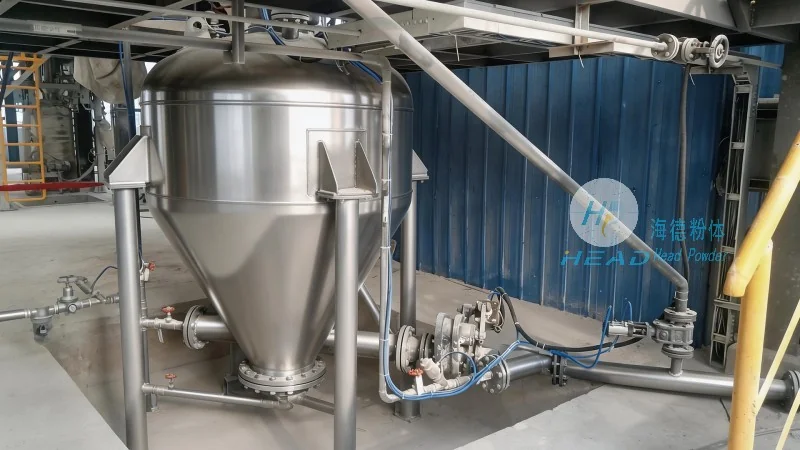
Material handling in the context of lithium-ion battery positive electrode materials refers to the processes and systems used to transport, store, and manage raw materials, intermediate products, and finished electrode powders. This includes handling powders such as lithium cobalt oxide (LiCoO₂), lithium iron phosphate (LiFePO₄), and other cathode active materials. The goal is to maintain material integrity, minimize contamination, and ensure consistent quality throughout the production chain.
About HeadPowder: A Leading Provider of Material Handling Solutions
HeadPowder, a division of Shandong HeadPowder Engineering Co., Ltd., is a professional manufacturer and supplier specializing in material handling equipment for the battery and powder processing industries. With a strong presence in China, particularly in Shandong, the company has built a reputation for delivering high-quality, customized solutions tailored to the specific needs of lithium-ion battery manufacturers. HeadPowder's expertise lies in designing and manufacturing systems that enhance productivity, safety, and reliability in material handling operations.
Design Principles of Material Handling Systems for Lithium-Ion Battery Positive Electrode Materials
The design of material handling systems for lithium-ion battery positive electrode materials follows several key principles to ensure effectiveness and efficiency. First, the system must maintain the purity and stability of the materials, as even minor contaminants can significantly affect the performance of the final battery. This involves using sealed and dust-free environments, as well as specialized equipment that minimizes particle generation and cross-contamination.
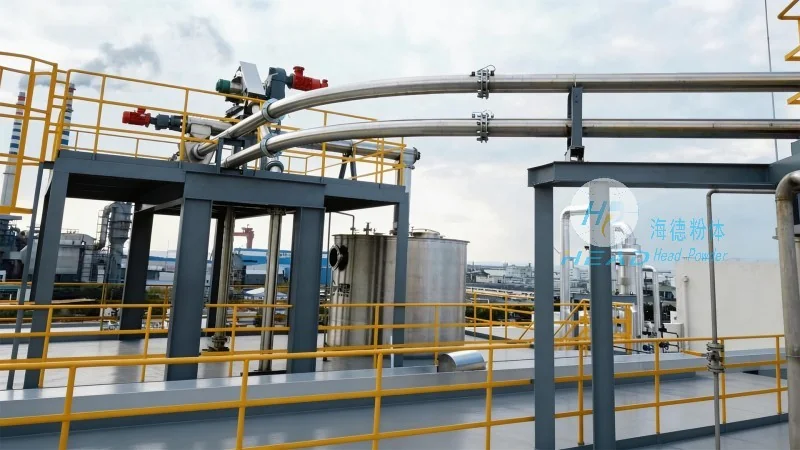
Second, the system must be capable of handling a wide range of material properties, including different particle sizes, densities, and flow characteristics. This requires flexible and adjustable components, such as conveyors, hoppers, and feeding mechanisms, that can adapt to various material types. For example, some systems may use pneumatic conveying for fine powders, while others may employ screw conveyors for bulkier materials.
Third, the design must prioritize safety and compliance with industry standards. This includes features like explosion-proof designs for handling flammable materials, proper ventilation systems to prevent dust accumulation, and ergonomic controls to reduce operator fatigue. Additionally, the system should be easy to maintain and clean to ensure consistent performance over time.
Key Components and Technologies in Material Handling Systems
Modern material handling systems for lithium-ion battery positive electrode materials typically incorporate several key components and technologies. These include:
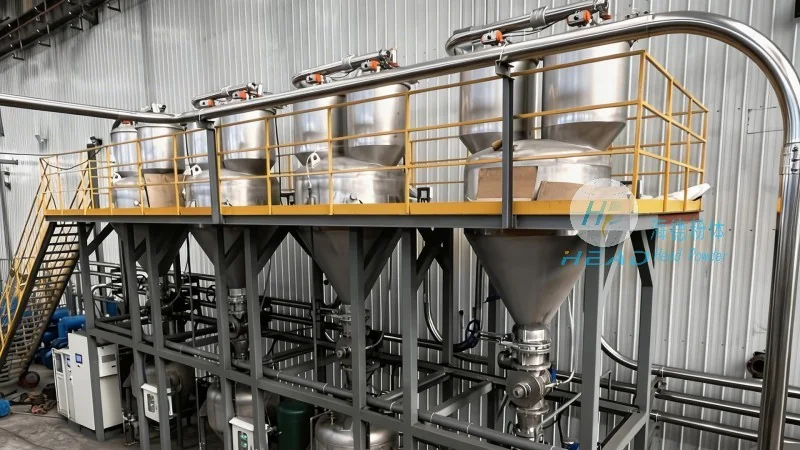
1. Conveying Equipment: Such as belt conveyors, screw conveyors, and pneumatic conveying systems, which are used to transport materials from one point to another within the production facility. These systems are designed to handle different material types and flow rates efficiently.
2. Hoppers and Storage Bins: These are used to store raw materials and intermediate products, ensuring a steady supply of materials for the production line. The design of hoppers is crucial to prevent material bridging and ensure smooth discharge.
3. Feeding and Metering Devices: These components control the flow rate of materials into processing equipment, such as mixers or granulators. Accurate feeding is essential for maintaining consistent material composition and preventing overloading or underloading of the equipment.
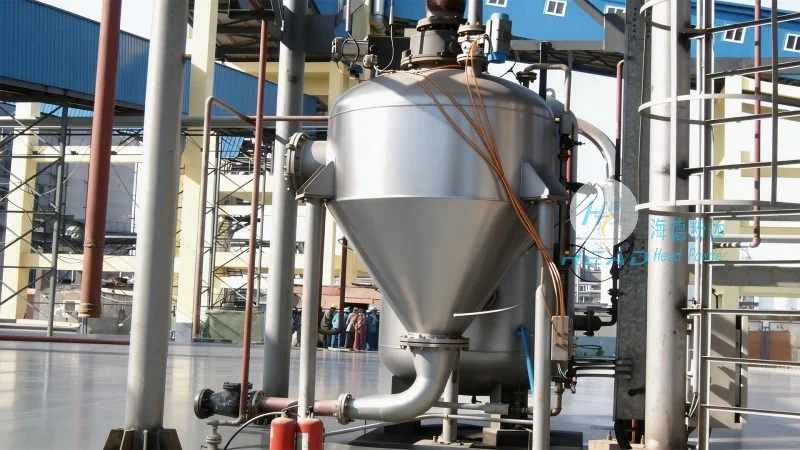
4. Dust Control Systems: To minimize dust generation and ensure a safe working environment, systems often include dust collection and filtration equipment. This helps to protect both the materials and the operators from harmful particles.
Application Examples and Case Studies
HeadPowder has successfully implemented material handling solutions for various lithium-ion battery manufacturers. For instance, one client required a system to handle fine lithium cobalt oxide powders, which are highly sensitive to moisture and contamination. HeadPowder designed a sealed, air-conditioned conveying system with a dust-free environment, ensuring the material remained pure throughout the process. The system included a pneumatic conveyor, a storage hopper with a discharge valve, and a feeding mechanism that controlled the material flow into a mixer. The result was a significant improvement in production efficiency and product quality, with reduced downtime due to material handling issues.
Conclusion: The Importance of Proper Material Handling in Lithium-Ion Battery Production
In conclusion, the material handling of lithium-ion battery positive electrode materials is a complex but essential aspect of battery manufacturing. The design principles and technologies used in these systems play a crucial role in ensuring the quality, efficiency, and safety of the production process. As the demand for lithium-ion batteries continues to grow, the importance of reliable and efficient material handling systems will only increase. Companies like Shandong HeadPowder Engineering Co., Ltd. play a vital role in providing the specialized equipment and expertise needed to meet these challenges and support the advancement of the battery industry.




