Understanding the magnetic powder material handling system and its design principles is crucial for industries dealing with bulk materials that require efficient and controlled transportation. This system leverages magnetic forces to move and manage powders and granular materials, offering a solution that is both effective and reliable. In this article, we will explore the fundamental aspects of such systems, focusing on their functionality, design considerations, and the engineering behind them.
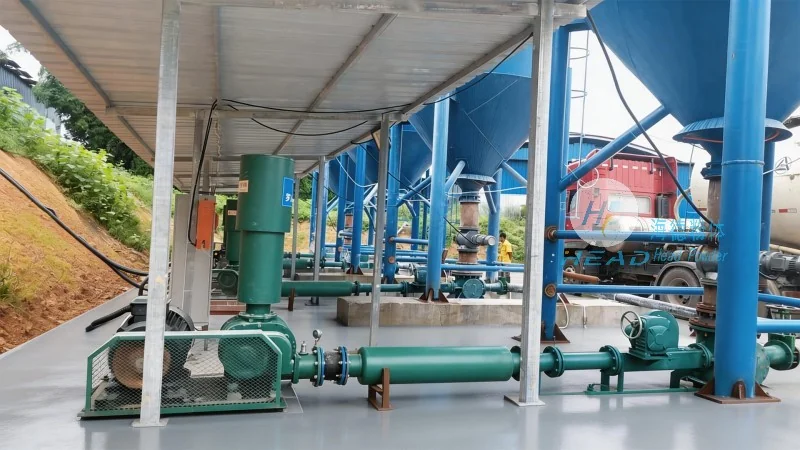
Introduction to Magnetic Powder Material Handling Systems
A magnetic powder material handling system is a specialized equipment designed to transport, convey, and process magnetic powders or granular materials using magnetic fields. These systems are widely used in various industries, including chemical, pharmaceutical, food processing, and mining, where the handling of fine or powdery materials demands precision and control. The core of this technology lies in the integration of magnetic elements with mechanical components to achieve seamless material movement without the need for traditional belts or mechanical conveyors.
Design Principles of Magnetic Powder Material Handling Systems
The design of a magnetic powder material handling system is based on several key principles that ensure optimal performance and efficiency. First, the system must generate a strong and uniform magnetic field to attract and hold the magnetic particles. This is typically achieved through the use of permanent magnets or electromagnets arranged in a specific configuration, such as a magnetic belt or a magnetic conveyor. The magnetic field strength is carefully calibrated to match the magnetic properties of the material being handled, ensuring that the particles are effectively attracted and transported without causing excessive wear or damage.
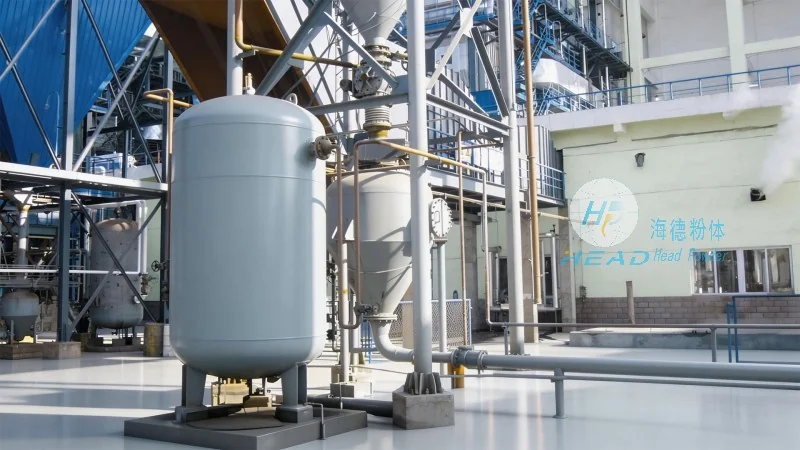
Second, the mechanical design of the system focuses on minimizing friction and ensuring smooth material flow. Components like the magnetic belt or conveyor are often made from materials that are resistant to wear and corrosion, such as stainless steel or special alloys. The design also considers the need for proper alignment and tension to maintain consistent material movement. Additionally, the system incorporates features like adjustable speed controls and material feed mechanisms to allow for precise control over the handling process, adapting to different material types and processing requirements.
Key Components and Their Functions
Several critical components make up a magnetic powder material handling system. The primary component is the magnetic conveyor or belt, which consists of a series of magnets embedded in a flexible or rigid surface. As the material is fed onto the conveyor, the magnetic field attracts the magnetic particles, causing them to adhere to the surface. The conveyor then moves the material along the desired path, transporting it to the next processing stage. Other essential components include feed hoppers, which regulate the flow of material into the system, and discharge mechanisms that ensure the material is released at the correct location. Control systems, often integrated with sensors, monitor the system's performance and adjust parameters as needed to maintain optimal operation.
Applications and Benefits in Industrial Settings
Magnetic powder material handling systems find applications in a wide range of industrial processes. In the chemical industry, they are used to transport and process magnetic catalysts or fine chemicals, where precision and contamination control are critical. In the pharmaceutical sector, these systems help in handling active pharmaceutical ingredients (APIs) and other powders, ensuring compliance with strict quality and safety standards. The food processing industry also benefits from such systems, as they can handle food-grade powders and granules without the risk of cross-contamination or material degradation. The primary benefits of these systems include improved material handling efficiency, reduced labor costs, enhanced safety due to the absence of moving parts in direct contact with the material, and lower maintenance requirements compared to traditional mechanical conveyors.
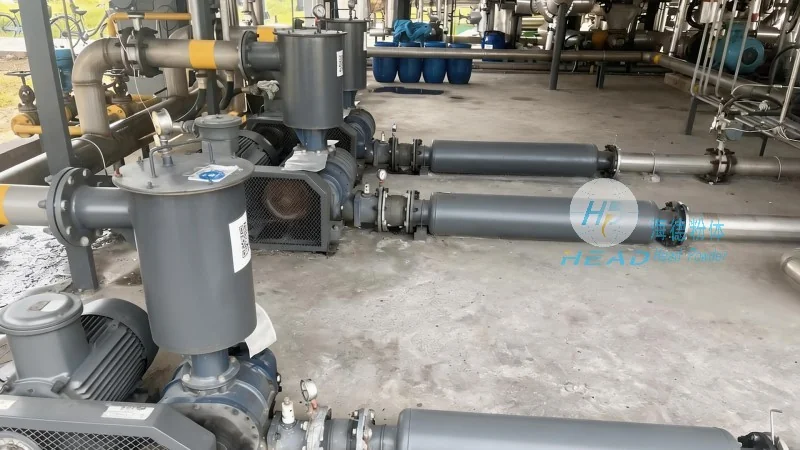
Engineering and Manufacturing by Shandong HeadPowder Engineering Co., Ltd.
Shandong HeadPowder Engineering Co., Ltd., a leading manufacturer in the field, specializes in the design, development, and production of magnetic powder material handling systems. With a strong focus on innovation and quality, the company leverages advanced engineering techniques to create systems that meet the diverse needs of industrial clients. HeadPowder's expertise lies in understanding the unique challenges of material handling and tailoring solutions that address specific operational requirements. The company's manufacturing facilities, located in Shandong, China, utilize state-of-the-art equipment and stringent quality control processes to ensure that each system meets the highest standards of performance and reliability. By combining technical expertise with customer-centric approaches, HeadPowder provides tailored solutions that enhance productivity and operational efficiency for its clients.
Conclusion
In conclusion, magnetic powder material handling systems represent a sophisticated and effective solution for the transportation and processing of magnetic powders and granular materials. Their design principles, centered on magnetic attraction and mechanical efficiency, enable industries to handle materials with precision and control. With companies like Shandong HeadPowder Engineering Co., Ltd. leading the way in engineering and manufacturing, these systems continue to play a vital role in modern industrial operations, offering benefits that range from improved productivity to enhanced safety and reduced maintenance costs. As industries evolve and demand more efficient material handling solutions, the importance of understanding and implementing such systems will only grow, making them an essential component of modern manufacturing and processing.




