Understanding sediment material conveying systems is crucial for industries dealing with the transportation of fine and coarse particles. These systems are engineered to handle materials like sand, silt, and other granular substances, often encountered in mining, construction, and environmental remediation projects. The core function of such systems is to efficiently move these materials from one location to another while maintaining the integrity of the material and minimizing operational costs.
Defining Sediment Material Conveying Systems
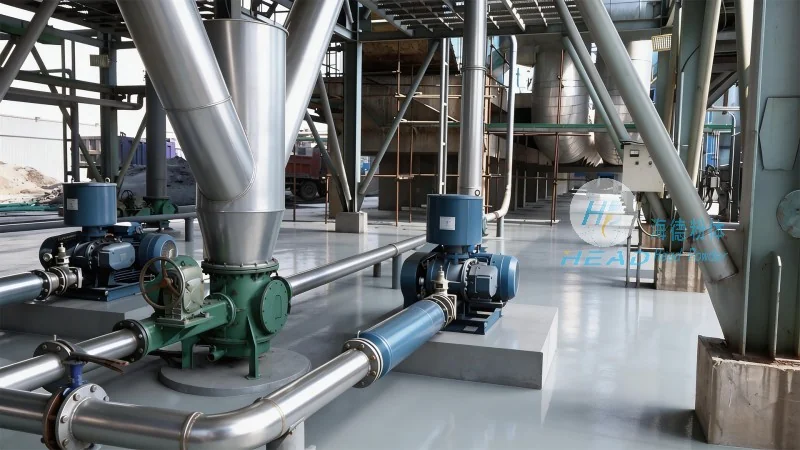
A sediment material conveying system is a specialized piece of equipment designed to transport loose, granular materials, particularly those with varying particle sizes and densities. Unlike traditional bulk material handling systems, these systems are tailored to the unique properties of sediment, which can include high moisture content, abrasive characteristics, and the need for gentle handling to prevent material degradation. The primary goal is to achieve reliable, continuous, and cost-effective movement of sediment materials, whether for processing, storage, or disposal purposes.
Key Design Principles for Efficient Sediment Conveying
The design of a sediment material conveying system revolves around several critical principles that ensure optimal performance and longevity. First, the system must accommodate the physical properties of the sediment, including particle size distribution, moisture content, and density. This involves selecting appropriate components like feed hoppers, conveyors, and discharge mechanisms that can handle the specific characteristics of the material without causing blockages or excessive wear. Second, the system emphasizes energy efficiency and operational reliability. This includes using low-friction materials, efficient drive systems, and robust sealing to minimize energy consumption and maintenance requirements. Third, the design prioritizes safety and environmental compliance. Features such as dust suppression, containment, and material containment measures are integrated to ensure safe operation and adherence to environmental regulations.
Components and Technologies Used in Sediment Conveying Systems
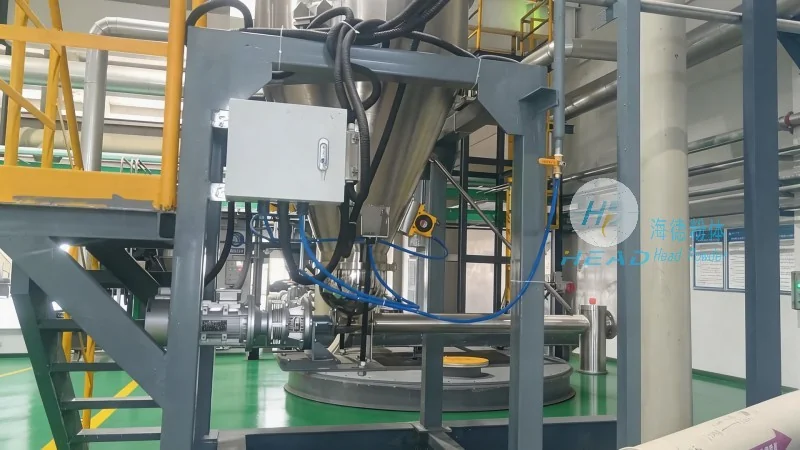
Modern sediment material conveying systems incorporate a range of advanced components and technologies to enhance performance. Feed hoppers are designed to evenly distribute the material into the conveyor, preventing overloading and ensuring consistent flow. Conveyor types vary depending on the application, with options including belt conveyors, screw conveyors, and pneumatic systems. Belt conveyors are commonly used for horizontal and slight incline applications, while screw conveyors excel in vertical or high-angle incline transport. Pneumatic systems, or air conveying, are ideal for fine powders and require precise control of air pressure and flow rates to maintain material transport efficiency. Additionally, components like idlers, pulleys, and drive motors are engineered to withstand the abrasive nature of sediment, ensuring long service life and minimal downtime.
The Role of Material Handling in Sediment Processing
Sediment material conveying systems play a vital role in the broader context of sediment processing and management. In mining operations, these systems are essential for transporting ore and tailings, enabling efficient extraction and processing of raw materials. In construction projects, they facilitate the movement of sand and gravel for concrete production and site development. Environmental applications include the conveyance of contaminated sediments for remediation, where the system must handle potentially hazardous materials while maintaining safety and compliance. The effectiveness of the conveying system directly impacts the overall efficiency of the sediment processing operation, influencing factors such as throughput, energy consumption, and operational costs.
HeadPowder Engineering: Expertise in Sediment Material Conveying Solutions
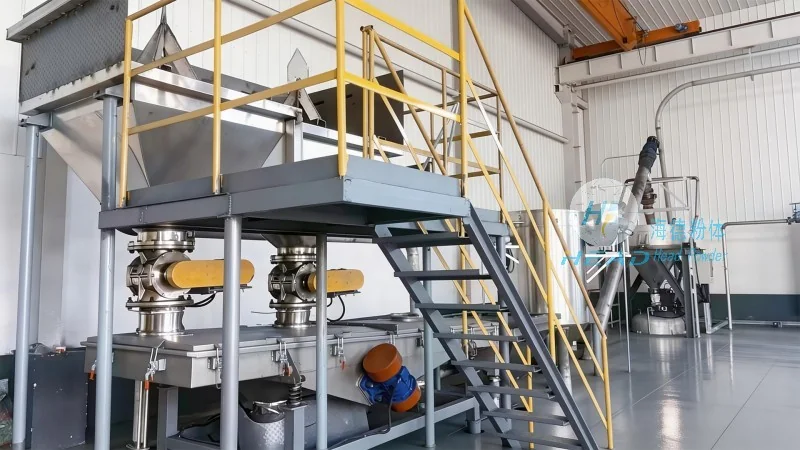
Shandong HeadPowder Engineering Co., Ltd. is a leading provider of specialized sediment material conveying systems, with decades of experience in the industry. The company, commonly known as HeadPowder, is headquartered in Shandong, China, and has established a strong reputation for delivering high-quality, customized solutions tailored to the unique needs of clients. HeadPowder's expertise lies in understanding the complex requirements of sediment handling and designing systems that meet both operational and environmental standards. The company's team of engineers and technicians works closely with clients to assess their specific material characteristics, operational conditions, and performance goals, ensuring that the final system is optimized for efficiency and reliability.
Customization and Innovation in Sediment Conveying Systems
HeadPowder Engineering places a strong emphasis on customization and innovation to address the diverse challenges of sediment material handling. The company offers a range of standard and custom-designed systems, allowing clients to select or configure solutions that best fit their applications. Customization options include adjustments to conveyor length, width, and angle, as well as modifications to feed and discharge mechanisms to accommodate specific material properties. Additionally, HeadPowder invests in research and development to incorporate the latest technologies, such as advanced control systems, sensors, and monitoring tools, into their designs. These innovations enhance system performance, provide real-time operational data, and enable predictive maintenance, further improving the reliability and efficiency of sediment conveying operations.
Benefits of Implementing a Sediment Material Conveying System
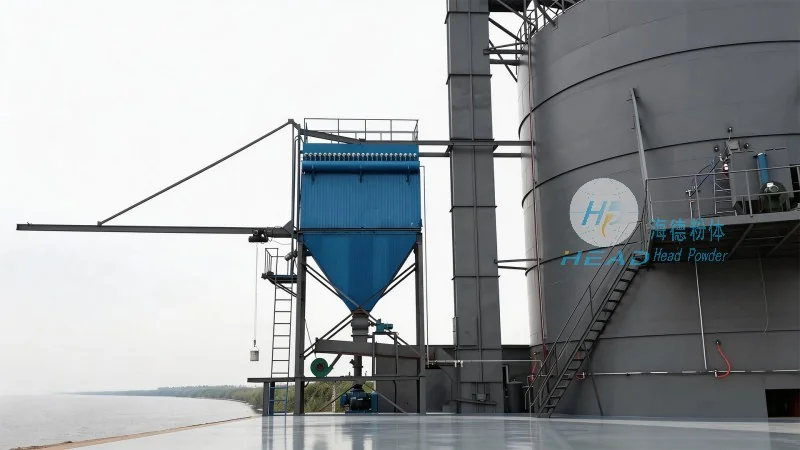
Adopting a sediment material conveying system offers numerous benefits for industries dealing with sediment materials. The primary advantage is the significant improvement in operational efficiency, as these systems enable continuous, high-volume transport of materials, reducing downtime and increasing throughput. Energy savings are another key benefit, as modern systems are designed to minimize energy consumption while maintaining performance. The use of robust components and materials results in longer service life and lower maintenance costs, contributing to overall cost savings. Additionally, the systems enhance safety by reducing manual handling of heavy or hazardous materials and incorporating features like dust suppression and containment, minimizing environmental impact and ensuring compliance with regulations. Finally, the reliability of these systems leads to consistent product quality and process stability, which are critical for maintaining competitive advantages in the market.
Conclusion: The Importance of Reliable Sediment Conveying Systems
In conclusion, sediment material conveying systems are essential tools for industries that rely on the efficient transportation of granular materials. The design principles and components of these systems are carefully engineered to address the unique challenges of sediment handling, ensuring reliable, cost-effective, and environmentally responsible operation. Companies like Shandong HeadPowder Engineering Co., Ltd. play a vital role in providing these specialized solutions, leveraging expertise and innovation to meet the evolving needs of the industry. By investing in high-quality sediment conveying systems, businesses can enhance their operational efficiency, reduce costs, and ensure compliance with industry standards, ultimately contributing to long-term success in their respective fields.




