Coal particle material conveying systems are essential industrial equipment used for the efficient transport of coal and other granular materials from one location to another. These systems play a crucial role in various industries, including power generation, mining, and manufacturing, where the reliable and safe movement of bulk materials is paramount. Understanding the design principles behind such systems is vital for optimizing performance, ensuring safety, and meeting operational requirements.
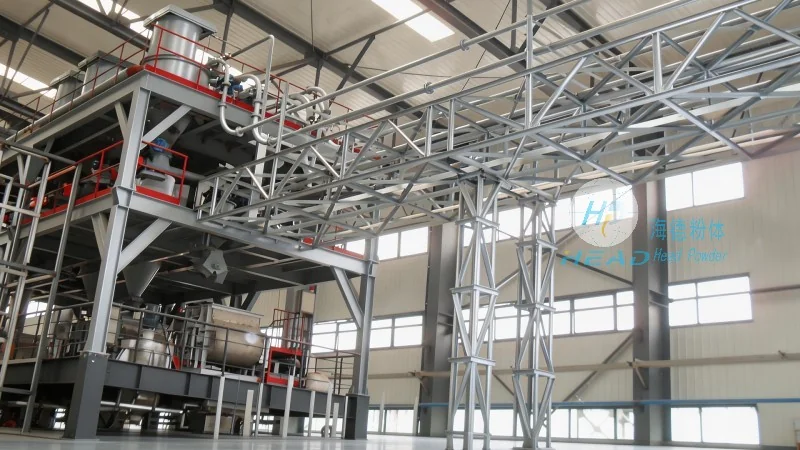
Key Components of Coal Particle Material Conveying Systems
A typical coal particle material conveying system comprises several key components that work in tandem to achieve effective material transport. The primary components include the feed hopper, which holds and regulates the flow of coal particles; the conveyor mechanism, such as a belt conveyor or pneumatic pipeline; and the drive system that powers the movement of the material. Additionally, control systems, sensors, and safety features are integrated to monitor and manage the conveying process, ensuring operational efficiency and safety.
Design Principles for Efficient Material Transport
The design of a coal particle material conveying system is guided by several fundamental principles aimed at maximizing efficiency, minimizing energy consumption, and ensuring durability. One critical principle is the selection of appropriate conveyor types based on the characteristics of the coal particles, such as size, density, and moisture content. For example, belt conveyors are commonly used for horizontal or slightly inclined transport due to their ability to handle large volumes of material with minimal friction, while pneumatic conveying systems are ideal for vertical or long-distance transport, especially when dealing with fine or dusty coal particles.
Another key design principle is the consideration of material flow dynamics. Engineers must analyze the particle size distribution, bulk density, and flow properties of the coal to determine the optimal conveyor speed, inclination angle, and belt tension. Proper design ensures that the material moves smoothly without excessive wear on the conveyor components, reducing maintenance costs and extending the system's lifespan. Furthermore, the integration of advanced control systems, such as variable frequency drives (VFDs) and sensors, allows for real-time monitoring and adjustment of the conveying process, adapting to changes in material load or conditions.
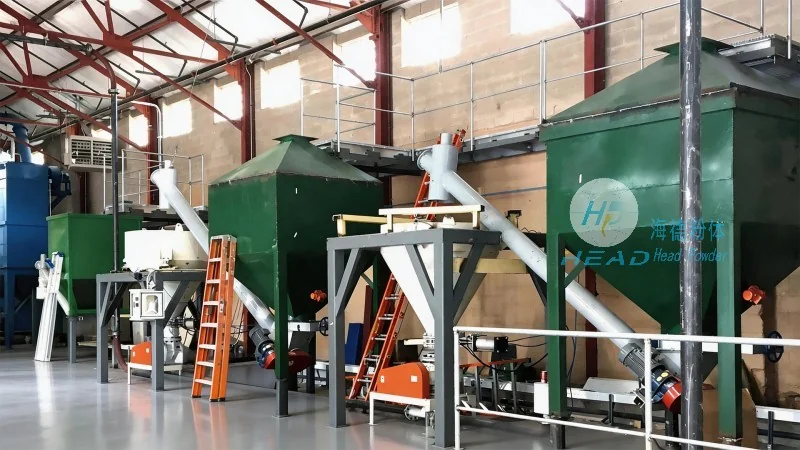
Structural Design and Material Selection
The structural design of a coal particle material conveying system must withstand the mechanical stresses and environmental conditions encountered during operation. The frame and supports are typically constructed from robust materials like steel or aluminum, ensuring stability and durability. The conveyor belt or pipeline is made from materials resistant to abrasion, corrosion, and wear, such as high-quality rubber or specialized plastic composites. For pneumatic conveying systems, the pipeline is often fabricated from stainless steel or other corrosion-resistant metals to prevent material buildup and ensure long-term performance.
Material selection is a critical aspect of the design process, as it directly impacts the system's efficiency and longevity. The choice of components, including bearings, pulleys, and seals, must be compatible with the coal particles and operating environment. For instance, heavy-duty bearings are used to handle the high loads and friction associated with belt conveyors, while specialized seals prevent dust and moisture from entering the system, maintaining optimal performance and reducing downtime.
Control Systems and Safety Features
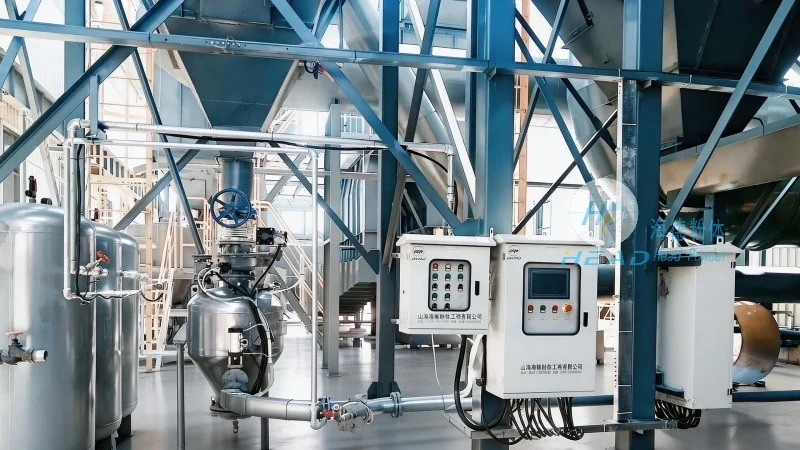
Modern coal particle material conveying systems incorporate sophisticated control systems that enhance operational efficiency and safety. These systems typically include sensors for monitoring parameters like belt tension, material level, and temperature, as well as control panels that allow operators to adjust settings and monitor the system's status in real time. Variable frequency drives (VFDs) are commonly used to regulate the conveyor speed, enabling precise control over the material flow and reducing energy consumption during low-load conditions.
Safety features are integral to the design of these systems, as they operate with bulk materials that can pose risks if not managed properly. Emergency stop buttons, overload protection, and interlocks are standard safety components that prevent accidents and ensure compliance with industry regulations. Additionally, dust suppression systems and ventilation are often integrated to control airborne particles and maintain a safe working environment for personnel.
Applications and Industry Impact
Coal particle material conveying systems are widely used in various industrial applications, from coal handling in power plants to material transport in mining operations. In power generation facilities, these systems are essential for delivering coal to boilers and other processing equipment, ensuring a continuous supply of fuel for energy production. In mining operations, they facilitate the transport of coal from mines to processing plants or storage facilities, streamlining the extraction and processing workflow.
The efficient design and operation of these systems contribute significantly to the overall productivity and cost-effectiveness of industrial operations. By minimizing material handling time and reducing losses due to spillage or degradation, conveying systems help lower operational costs and improve the profitability of businesses. Moreover, the reliability of these systems ensures that production processes remain uninterrupted, which is critical for maintaining supply chain stability and meeting customer demands.
Conclusion
In conclusion, coal particle material conveying systems are sophisticated industrial solutions designed to efficiently transport bulk materials like coal. The design principles, including component selection, material flow dynamics, structural integrity, and advanced control systems, are crucial for achieving optimal performance and safety. Companies like Shandong HeadPowder Engineering Co., Ltd., based in China, specialize in the design, manufacturing, and installation of such systems, providing tailored solutions to meet the specific needs of various industries. With a focus on efficiency, durability, and safety, these systems play a vital role in modern industrial operations, supporting the reliable and sustainable use of coal and other granular materials.




