Dry powder material conveying lines are essential systems for industries handling fine powders, enabling efficient transport without liquid media. These systems are pivotal in sectors like pharmaceuticals, food processing, and chemical manufacturing, where maintaining product integrity and operational efficiency is critical.
Definition and Purpose of Dry Powder Conveying Lines
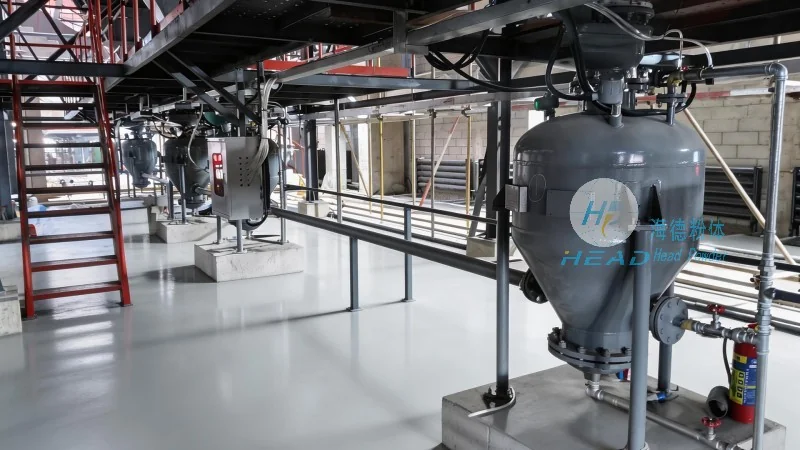
A dry powder material conveying line, commonly known as a pneumatic conveying system, is engineered to transport dry powders through pipelines using air or gas. Unlike traditional mechanical conveyors, these systems utilize pressure or vacuum to move materials, offering advantages such as reduced contamination, lower maintenance, and adaptability to various powder types. The primary goal is to deliver powders from a source to a destination while preserving their quality and ensuring safe handling.
Core Design Principles for Efficient Operation
The design of a dry powder conveying line is grounded in several key principles to ensure reliability and performance. These include selecting the appropriate conveying method (pressure or vacuum), calculating optimal air flow rates, and integrating components like hoppers, feeders, and separators. Each element must be tailored to the specific properties of the powder—such as particle size, moisture content, and flowability—to prevent issues like clogging or degradation. The system’s layout, including pipeline length, diameter, and bends, also plays a crucial role in maintaining consistent flow and pressure.
Conveying Methods: Pressure vs. Vacuum Systems
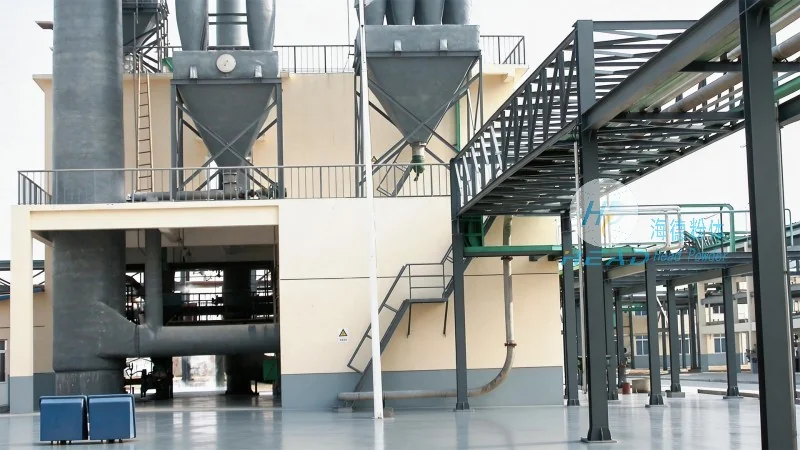
Two main methods dominate dry powder conveying: pressure and vacuum. Pressure conveying uses compressed air to push powders through the pipeline, making it suitable for short to medium distances and materials prone to caking. Vacuum conveying, on the other hand, employs a vacuum to pull powders, ideal for longer distances and delicate materials. The choice depends on factors like material volume, pipeline length, and operational constraints. For instance, pressure systems are often preferred in food processing for their ability to handle high-volume, hygienic applications, while vacuum systems excel in pharmaceuticals for their precision and low contamination risk.
Component Integration and System Efficiency
Effective design involves the seamless integration of components to maximize efficiency. The system typically starts with a hopper to store the powder, followed by a feeder that regulates flow. The conveying line—composed of straight sections, bends, and expansion joints—transports the material to a receiver or cyclone separator, which separates powder from air. A filter system then removes residual particles from exhaust air, ensuring compliance with environmental regulations and preventing dust exposure. This integrated approach minimizes energy consumption and operational downtime, enhancing overall system reliability.
HeadPowder Engineering's Expertise in Custom Solutions
Shandong HeadPowder Engineering Co., Ltd. specializes in developing tailored dry powder conveying solutions. With a deep understanding of material science and industrial processes, the company’s engineers collaborate with clients to address unique challenges. By analyzing powder characteristics, operational requirements, and space limitations, HeadPowder designs systems that balance performance, cost, and safety. The company’s commitment to innovation ensures that clients receive state-of-the-art equipment, backed by years of industry experience and adherence to international standards.
Advantages of Dry Powder Conveying Lines
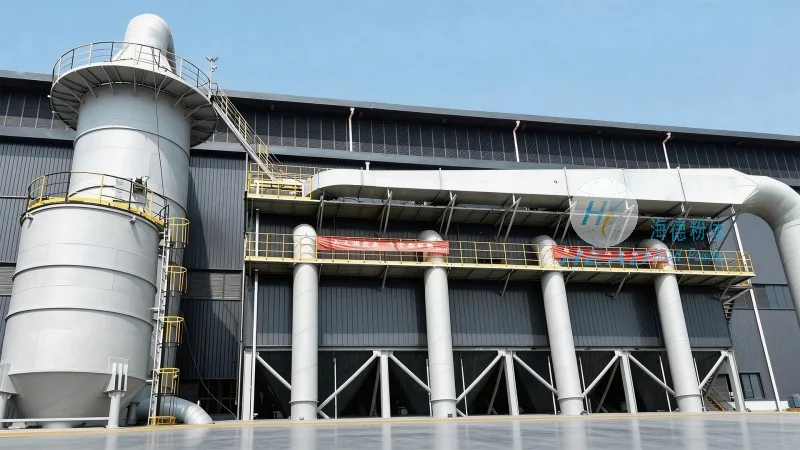
Implementing a dry powder material conveying line offers significant benefits for industrial operations. These systems provide a clean, hygienic method of transporting powders, which is non-negotiable in industries like pharmaceuticals and food processing where contamination control is paramount. Additionally, pneumatic conveying is more energy-efficient than traditional mechanical conveyors, reducing operational costs while minimizing environmental impact. The compact design of these systems also optimizes space utilization, making them suitable for both new installations and retrofitting existing facilities.
Conclusion and Future Outlook
In summary, dry powder material conveying lines are sophisticated systems that integrate engineering principles with practical application to efficiently transport dry powders. The design process requires careful consideration of conveying methods, component selection, and system integration to ensure reliability and performance. As industries evolve to demand higher efficiency and cleaner processes, the importance of well-designed dry powder conveying systems will continue to grow. For businesses seeking reliable, customized solutions, companies like Shandong HeadPowder Engineering Co., Ltd. play a vital role in providing the expertise and technology needed to meet these evolving needs and maintain a competitive edge in their respective markets.




