Understanding pulse jet dust collector material handling is crucial for industries dealing with airborne particulate matter. This technology plays a vital role in maintaining air quality and ensuring efficient material transport within industrial processes. The following exploration delves into the core aspects of this system, including its operational principles and design considerations.
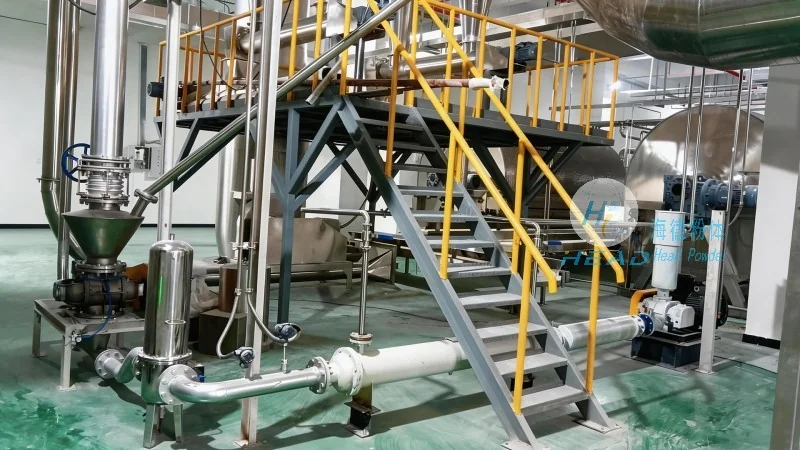
What is Pulse Jet Dust Collector Material Handling?
Pulse jet dust collector material handling refers to the process of transporting and managing bulk materials, such as powders or granules, using a pulse jet dust collector system. This system integrates dust collection with material handling, allowing for the efficient removal of airborne contaminants while simultaneously transporting the processed material to its destination. The integration of these functions makes it an essential component in industries like pharmaceuticals, food processing, and chemical manufacturing, where both air quality and material flow are critical.
The Design Principles of Pulse Jet Dust Collector Material Handling
The design of a pulse jet dust collector material handling system is based on several key principles that ensure optimal performance. First, the system relies on a pulse jet mechanism to create high-velocity air pulses that dislodge dust particles from the filter media. These pulses are generated by a compressed air source, which periodically cleans the filter, preventing clogging and maintaining high collection efficiency. Second, the material handling component is typically integrated with the dust collector, often using a hopper or conveyor system to transport the collected material to a storage or processing area. The design must balance the dust collection efficiency with the material handling capacity, ensuring that the system can handle the required flow rates without compromising air quality.
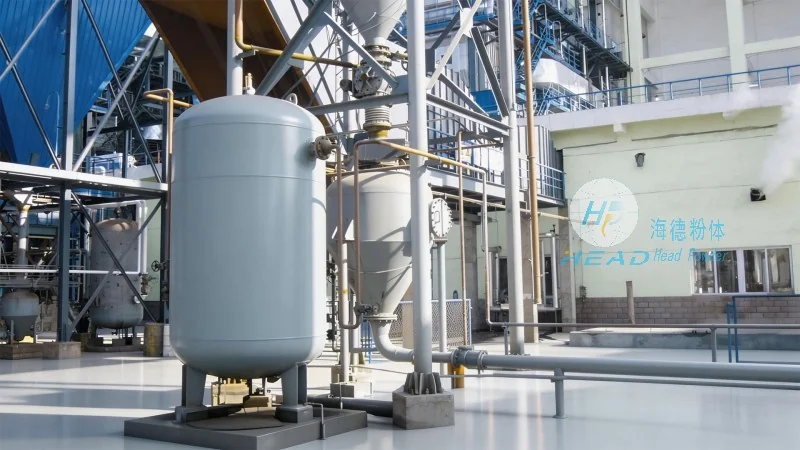
Key Components and Their Functions
Several critical components contribute to the effective operation of a pulse jet dust collector material handling system. The filter housing, where the dust-laden air passes through the filter media, is a primary component. The filter media, usually made of fabric or other porous materials, traps the particulate matter. The pulse jet valve, which controls the release of compressed air, is another essential part. This valve opens and closes rapidly to create the high-pressure pulses that clean the filter. Additionally, the hopper or conveyor system is responsible for transporting the collected material, and the control system manages the timing and frequency of the pulses to maintain optimal performance.
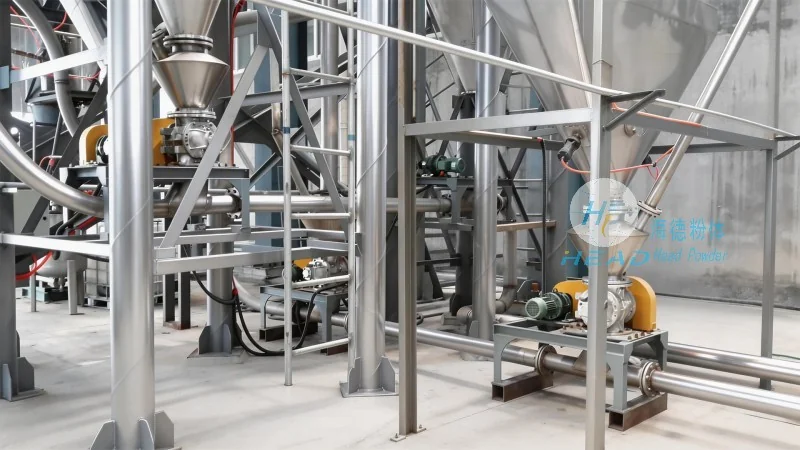
Applications and Benefits
Pulse jet dust collector material handling systems are widely used in various industrial applications due to their efficiency and reliability. They are particularly effective in environments where fine particulates are present, such as in the production of cement, plastics, and pharmaceuticals. The benefits of this technology include improved air quality, reduced maintenance costs, and increased productivity. By combining dust collection with material handling, the system minimizes the need for separate equipment, streamlining the overall process and reducing operational complexity.
Company Information: Shandong HeadPowder Engineering Co., Ltd.
Shandong HeadPowder Engineering Co., Ltd. is a leading manufacturer and supplier of pulse jet dust collector material handling systems. With its headquarters in Shandong, China, the company specializes in designing and manufacturing high-quality industrial equipment tailored to meet the specific needs of its clients. The company's products are known for their durability, efficiency, and compliance with international standards. By leveraging advanced technology and a commitment to quality, Shandong HeadPowder Engineering Co., Ltd. provides reliable solutions for industries seeking to enhance their air quality and material handling processes.




