Diatomaceous earth, a natural sedimentary rock composed of fossilized diatoms, is widely used in various industrial applications due to its unique properties. The efficient handling and transportation of diatomaceous earth are crucial for industrial processes, and this is where a specialized material conveying line comes into play. This article explores the concept of a diatomaceous earth material conveying line, its design principles, and the key factors that contribute to its effective operation.
What is a Diatomaceous Earth Material Conveying Line?
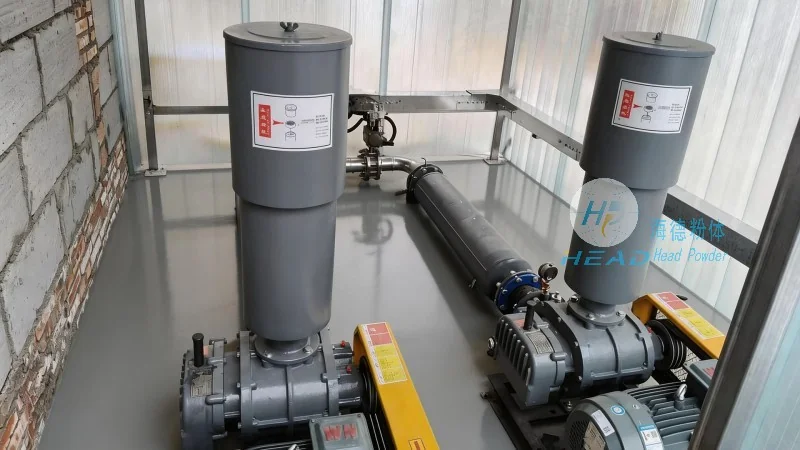
A diatomaceous earth material conveying line is a system engineered to transport diatomaceous earth from its source to processing or storage facilities. These systems are typically designed to handle the specific characteristics of diatomaceous earth, such as its fine particle size, low bulk density, and potential for dust generation. The conveying line may include components like hoppers, feeders, conveyors, and control systems, all working in tandem to ensure smooth and safe material movement. The primary goal of such a line is to optimize the flow of diatomaceous earth while minimizing operational risks and maximizing efficiency in industrial settings.
Design Principles of the Conveying Line
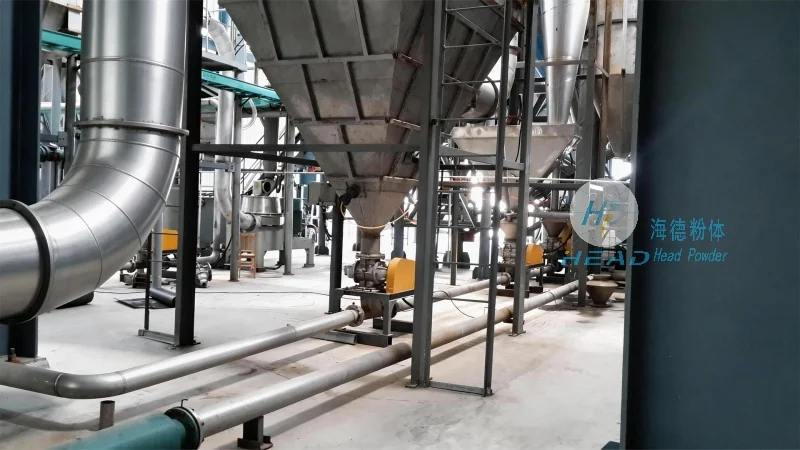
The design of a diatomaceous earth material conveying line is based on several critical principles aimed at ensuring reliability, safety, and performance. First, the system must be tailored to the physical properties of diatomaceous earth, including its particle size distribution, moisture content, and flow characteristics. This involves selecting appropriate equipment, such as belt conveyors or pneumatic systems, that can handle fine powders without causing blockages or excessive wear. Second, the design emphasizes dust control and environmental safety, as diatomaceous earth can generate significant airborne dust during handling. This is achieved through enclosed systems, dust collection devices, and proper ventilation to protect both personnel and the environment. Third, the conveying line is designed for durability and low maintenance, using materials resistant to abrasion and corrosion, which are common issues when handling abrasive materials like diatomaceous earth. Finally, the system is optimized for energy efficiency, with variable speed drives and efficient motor selections to reduce operational costs while maintaining performance.
Key Components and Their Functions
The effectiveness of a diatomaceous earth material conveying line relies on several key components, each playing a vital role in the overall operation. The hopper or feeder is the initial component, responsible for storing and feeding the diatomaceous earth into the conveying system. It is designed to maintain a consistent flow rate, preventing overloading or underfeeding that could disrupt the process. The conveyor itself, often a belt conveyor, transports the material from the feeder to the next stage of processing. The belt is typically made of a durable, non-stick material to prevent material buildup and ensure smooth movement. The drive system, including motors and pulleys, provides the necessary power to move the conveyor belt at the desired speed. Control systems, such as PLCs (Programmable Logic Controllers), monitor and regulate the operation of the conveying line, ensuring that it operates within safe parameters and responds to changes in material flow or system conditions. Additionally, dust collection and filtration systems are integrated to capture and remove airborne particles, maintaining a clean and safe working environment.
Application Scenarios and Benefits
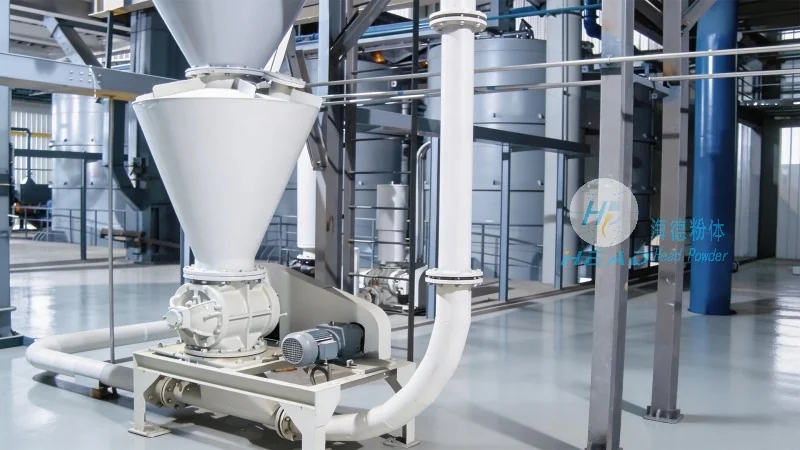
Diatomaceous earth material conveying lines are widely used in various industrial applications, including the production of filters, abrasives, and agricultural products. In the filter industry, for example, the conveying line ensures a steady supply of diatomaceous earth to filter manufacturing facilities, where it is used to produce high-quality filter media. In the agricultural sector, the system helps transport diatomaceous earth to farms for use as a natural pest control agent or soil amendment. The benefits of using a specialized conveying line include improved material handling efficiency, reduced labor costs, and enhanced safety by minimizing manual handling of fine powders. Additionally, the enclosed design of the system helps prevent dust contamination of the surrounding environment, which is crucial for compliance with environmental regulations. Overall, the diatomaceous earth material conveying line plays a critical role in supporting industrial processes that rely on this unique material.
About Shandong HeadPowder Engineering Co., Ltd.
Shandong HeadPowder Engineering Co., Ltd., a leading manufacturer in the field of material handling equipment, specializes in designing and manufacturing diatomaceous earth material conveying lines tailored to the specific needs of industrial clients. With a focus on innovation and quality, the company has developed advanced systems that address the unique challenges of handling diatomaceous earth. HeadPowder's engineering team leverages years of experience and cutting-edge technology to create conveying lines that are efficient, reliable, and safe. The company's facilities are located in Shandong, China, where it operates a state-of-the-art manufacturing plant equipped with modern machinery and skilled technicians. HeadPowder is committed to providing high-quality solutions that meet the evolving demands of the industrial sector, ensuring that clients receive equipment that is not only effective but also durable and cost-efficient. By combining expertise in material handling with a customer-centric approach, HeadPowder has established itself as a trusted partner for businesses seeking reliable diatomaceous earth conveying solutions.




