

What is a Yeast Material Handling System Equipment? And What Are Its Design Principles?
Yeast material handling systems are critical in industries that rely on yeast as a key ingredient, such as the food and beverage sector, brewing, and biotechnology. These systems are designed to handle the unique characteristics of yeast, including its moisture content and susceptibility to temperature changes. The efficient movement of yeast from storage to processing units is essential for maintaining product quality and reducing waste. A well-designed system can significantly improve operational efficiency and reduce labor costs, making it a valuable investment for any yeast processing facility.
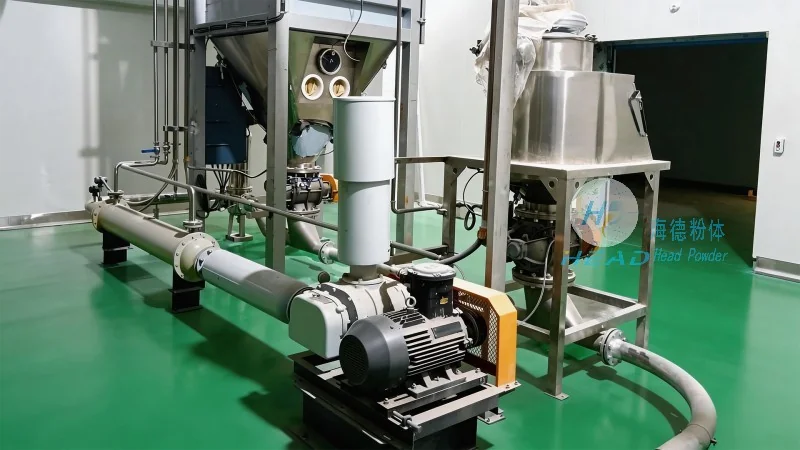
Key Components and Design Principles of Yeast Material Handling Systems
The design of a yeast material handling system equipment involves several critical components that work in tandem to ensure optimal performance. The system typically includes storage silos, conveyor systems, feeding mechanisms, and control panels. Each component is engineered to handle the delicate nature of yeast, preventing contamination and maintaining product quality. The use of stainless steel and food-grade materials is standard, as these materials resist corrosion and are easy to clean, which is crucial in maintaining hygiene standards in yeast processing facilities. Additionally, the system incorporates safety features, such as overload protection and emergency stop buttons, to ensure the safety of operators and the integrity of the product.
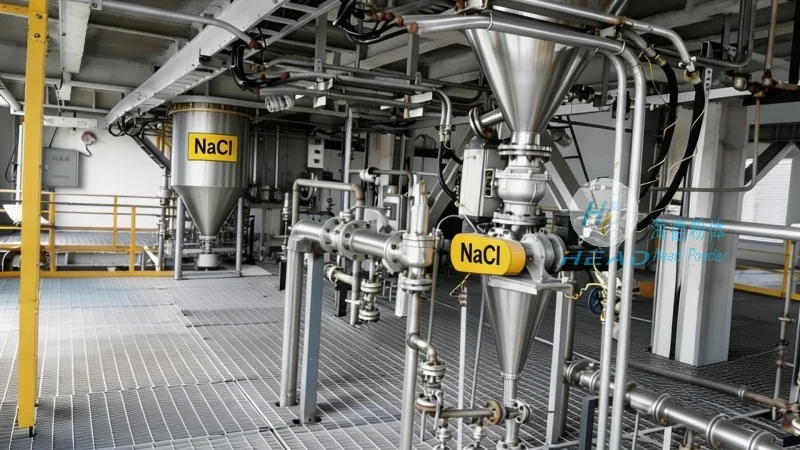
How the System Operates: A Detailed Look at the Design Principles
The operation of a yeast material handling system is based on a combination of mechanical and automated processes. The system starts with the storage of yeast in silos, where it is kept under controlled conditions to preserve its quality. From the silos, the yeast is transferred to conveyor belts or pneumatic systems, which transport it to the processing area. The feeding mechanisms, such as screw conveyors or rotary valves, regulate the flow of yeast, ensuring a consistent and controlled rate. The control panels allow operators to monitor and adjust the system parameters, such as speed and pressure, to maintain efficiency and safety. The design principles focus on minimizing downtime, maximizing throughput, and ensuring the integrity of the yeast product throughout the handling process. The system is also designed to be energy-efficient, with motors that adjust their speed based on the load, reducing energy consumption.
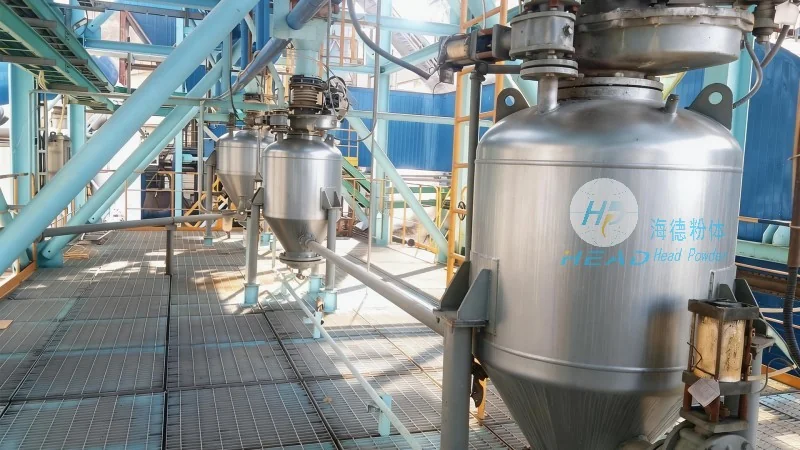
Advantages of Using a Professional Yeast Material Handling System
Investing in a well-designed yeast material handling system from a reputable manufacturer like Shandong HeadPowder Engineering Co., Ltd. offers several advantages. These systems are built to handle the specific challenges of yeast, such as its tendency to clump or stick to surfaces. The advanced design reduces the risk of product loss and contamination, which can be costly in the yeast industry. Additionally, the systems are designed for easy maintenance, with accessible components that can be serviced quickly, minimizing production interruptions. The use of energy-efficient motors and smart controls also helps in reducing operational costs over time. The company's expertise in engineering and manufacturing ensures that each system is built to the highest standards, providing reliable performance and long-term value.
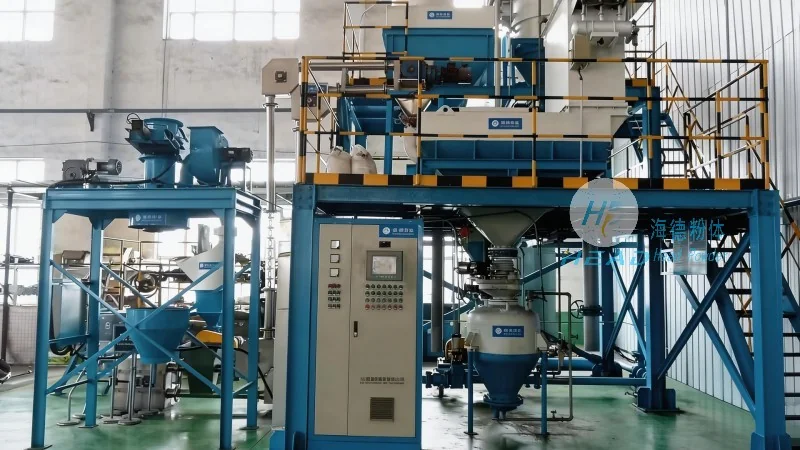
Customization and Application in Different Industries
Shandong HeadPowder Engineering Co., Ltd. understands that different industries have varying requirements for yeast handling. Therefore, their systems are customizable to meet specific needs. Whether it's for food production, brewing, or pharmaceutical applications, the company can tailor the equipment to handle different yeast types and processing volumes. The flexibility in design allows for integration with existing production lines, ensuring a seamless transition to new equipment. The company's expertise in engineering and manufacturing ensures that each system is built to the highest standards, providing reliable performance and long-term value. The systems are also designed to comply with international hygiene and safety regulations, making them suitable for global markets.