

What is Steel and Lime Powder Pneumatic Conveying? And What Are Its Design Principles?
Steel and lime powder pneumatic conveying is a specialized industrial process used to transport fine powders, such as steel dust and lime, through a pipeline using a gas stream. This method is widely adopted in the steel and chemical industries due to its efficiency in handling abrasive and reactive materials while ensuring minimal product degradation. The technology involves creating a flow of air or other gas that carries the powder particles through the system, enabling safe and effective material transfer from source to destination.
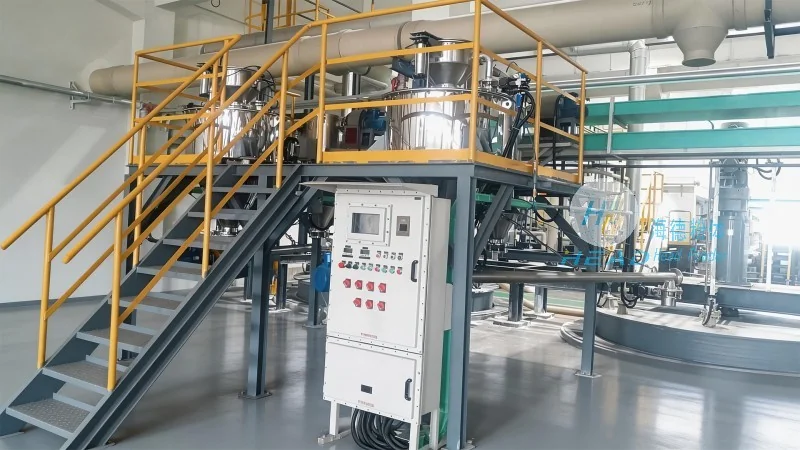
Understanding Pneumatic Conveying Systems for Steel and Lime Powders
Pneumatic conveying systems for steel and lime powders are engineered to handle the unique challenges posed by these materials. Steel dust, often generated during metal processing, is abrasive and can cause wear on equipment. Lime, commonly used in flue gas desulfurization and other applications, is a reactive powder that requires careful handling to prevent caking or agglomeration. The design of these systems must address these characteristics to ensure reliable operation and long service life.
The Core Design Principles of Pneumatic Conveying for Steel and Lime
The fundamental principle of pneumatic conveying is the creation of a sufficient gas velocity to suspend and transport the powder particles. For steel and lime powders, the system design must consider several critical factors, including particle size distribution, bulk density, and flow rate. The choice of conveying method—whether it’s dilute phase (where particles are suspended in the gas stream) or dense phase (where particles are carried in a slurry-like state)—depends on the specific application and material properties. Additionally, the system must incorporate proper filtration and separation mechanisms to prevent material buildup and maintain air quality.
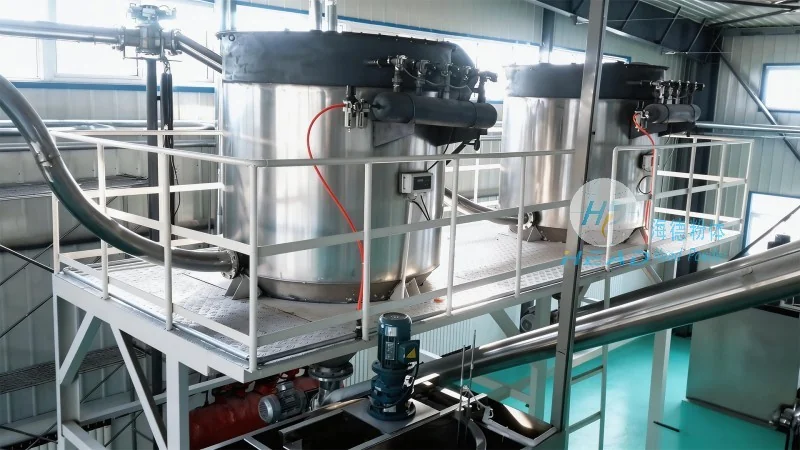
Key Components and Their Roles in Steel and Lime Pneumatic Conveying
Effective steel and lime powder pneumatic conveying systems rely on several key components working in concert. The conveying line is the main pipeline that transports the material, often made of corrosion-resistant materials like stainless steel to withstand the abrasive nature of steel dust. The feed system is responsible for introducing the powder into the pipeline, typically using a rotary valve or a venturi feeder to control the flow rate. The air compressor provides the necessary pressure and volume of air to generate the conveying flow. The separator or filter is crucial for removing the powder from the gas stream, preventing contamination and ensuring clean air discharge. Finally, the control system monitors and adjusts the operation parameters to maintain optimal performance and prevent system failures.
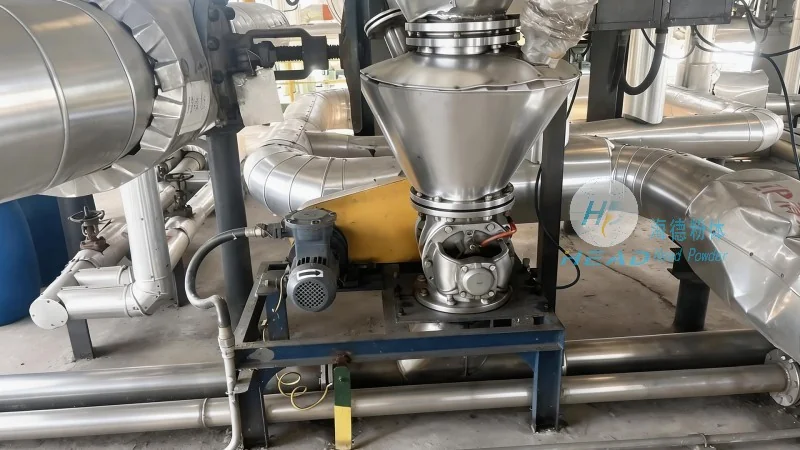
Applications and Benefits of Steel and Lime Pneumatic Conveying
Steel and lime powder pneumatic conveying is employed in various industrial applications, including steel mill dust collection, lime handling for flue gas desulfurization, and material transfer in chemical processing plants. The primary benefits of this technology include reduced labor costs, minimized product loss, and improved safety compared to traditional methods like bucket elevators or belt conveyors. Additionally, pneumatic conveying systems can be designed to handle hazardous or reactive materials without the risk of cross-contamination, making them ideal for applications where material purity is critical.
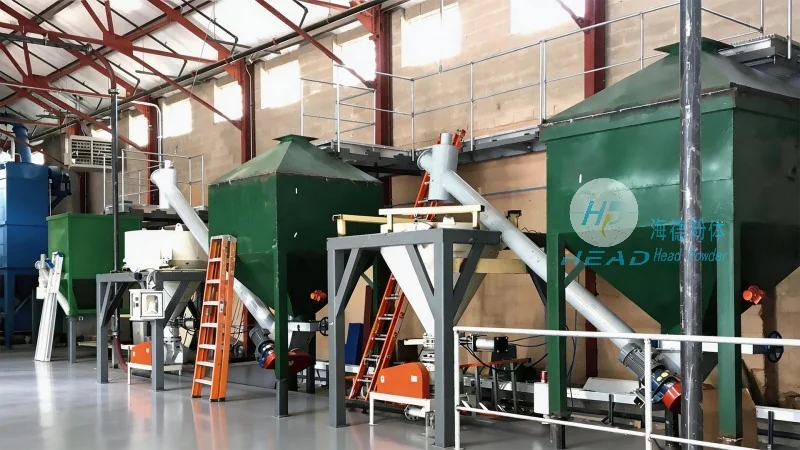
Design Considerations for Reliable Operation
Designing a pneumatic conveying system for steel and lime powders requires careful consideration of several factors to ensure reliable and efficient operation. The system must be sized to handle the expected flow rate and material characteristics, with sufficient air volume to maintain particle suspension. The pipeline layout should minimize bends and changes in direction to reduce pressure losses and prevent particle deposition. Proper sealing and maintenance of components are also essential to prevent leaks and ensure consistent performance. Additionally, the system should incorporate safety features, such as pressure relief valves and emergency shutdown mechanisms, to protect personnel and equipment from potential hazards.
About HeadPowder: Your Expert in Pneumatic Conveying Solutions
HeadPowder, a leading provider of industrial conveying solutions, specializes in designing and manufacturing pneumatic conveying systems tailored to the unique needs of the steel and chemical industries. With years of experience and a commitment to quality, HeadPowder offers customized solutions that address the challenges of handling abrasive and reactive powders like steel dust and lime. The company’s team of engineers works closely with clients to understand their specific requirements and develop systems that meet or exceed industry standards. HeadPowder’s products are known for their durability, efficiency, and reliability, making them a trusted choice for businesses seeking to optimize their material handling processes.