

What is a fine powder pneumatic conveying equipment? What are its design principles?
Efficient material handling is a critical aspect of modern industrial operations, and for fine powders, pneumatic conveying systems have emerged as a highly effective solution. These systems utilize the principles of fluid dynamics to transport dry particulate materials through a network of pipes using air or gas as the conveying medium. Understanding the functionality and design principles of fine powder pneumatic conveying equipment is essential for optimizing production processes, ensuring product integrity, and enhancing overall operational efficiency across various sectors.
Introduction to Fine Powder Pneumatic Conveying Equipment
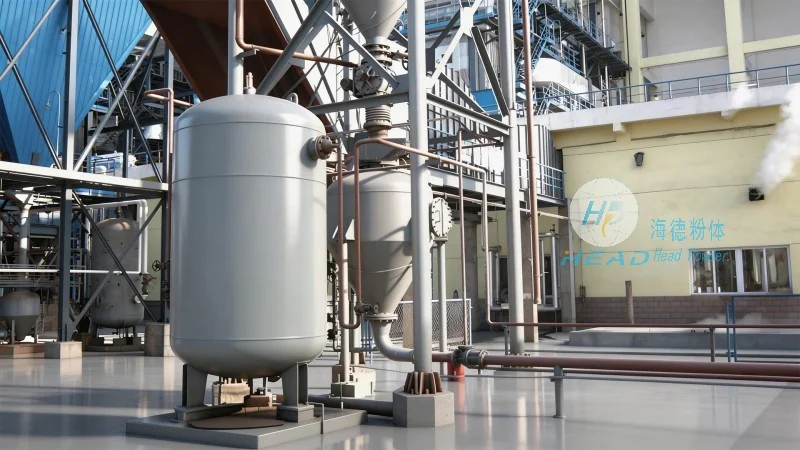
Fine powder pneumatic conveying equipment, commonly known as pneumatic conveyors, is a technology that enables the transport of dry powders, granules, and other particulate substances from a source to a destination without the need for mechanical components like belts or screws. This method is particularly advantageous for materials that are sensitive to moisture, temperature, or contamination, as the enclosed pipeline system minimizes exposure to external factors. The equipment typically consists of a hopper for material storage, a conveyor line, a pressure or vacuum source, and a control system. The choice of system type—whether it's a pressure system, vacuum system, or a combination—depends on the material's properties, the distance of transport, and the required flow rate. For instance, pressure systems are ideal for long-distance transport or when handling materials with high flow resistance, while vacuum systems are suitable for shorter distances or when the material is light and easily drawn by suction.
Core Design Principles for Optimal Performance
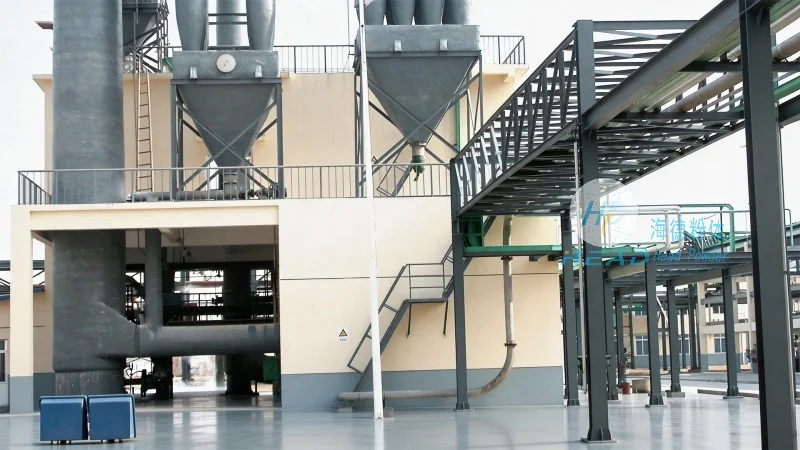
The design of a fine powder pneumatic conveying system is governed by several fundamental principles that ensure reliable and efficient operation. The first principle is the matching of system parameters to the material's physical characteristics. This includes considerations such as particle size distribution, density, moisture content, and flowability. Fine powders often exhibit cohesive behavior, which can lead to caking or blockages in the pipeline. To mitigate this, the design incorporates features like hopper agitators, rotary airlock valves, and pulse jet cleaning systems to maintain consistent material flow. The second principle is the calculation of appropriate pressure and flow rates. The system's pressure, typically measured in bars or psi, must be sufficient to overcome the material's resistance to flow and the friction losses in the pipeline. The flow rate, often expressed in cubic meters per hour or pounds per hour, is determined by the required throughput and the material's density. Energy efficiency is another critical design consideration, as excessive pressure or air consumption can significantly increase operational costs. Engineers often use computational fluid dynamics (CFD) simulations to optimize the system's design and minimize energy usage.
Key Components and Their Functions
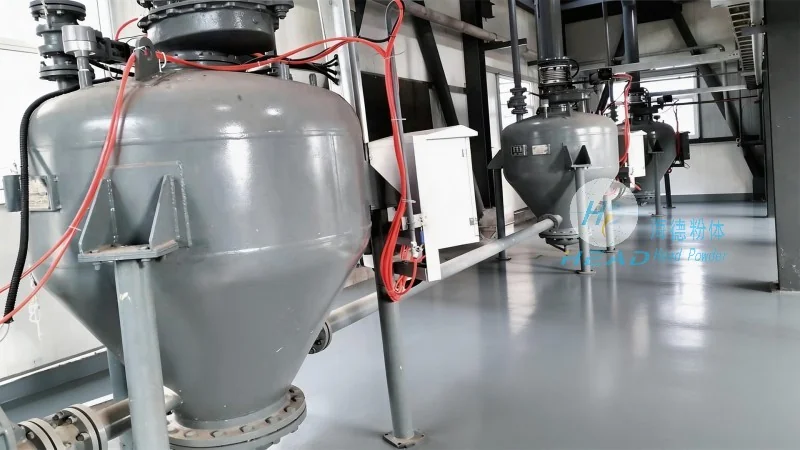
A pneumatic conveying system's performance is directly linked to the functionality of its components. The material feed hopper is a critical component that stores the powder and feeds it into the system at a controlled rate. It is usually equipped with a hopper agitator or a rotary valve to prevent material bridging and ensure a steady flow. The hopper is often made of stainless steel or other corrosion-resistant materials to handle various powders, including those that are acidic or abrasive. The conveyor line, which can be made of stainless steel, PVC, or polyethylene, is designed to withstand the pressure and temperature of the conveying process. The choice of material for the pipeline depends on the material being conveyed—for example, stainless steel is preferred for food-grade applications, while PVC is suitable for non-corrosive powders. The pressure or vacuum source, such as a positive displacement blower or a vacuum pump, generates the necessary airflow to move the material through the pipeline. The blower's capacity and pressure rating are selected based on the system's requirements. The control system, which may include sensors, pressure transducers, and automation devices, monitors the flow rate, pressure, and other parameters to ensure the system operates within safe and efficient limits. It can also adjust the air flow or pressure in real-time to maintain consistent material transport.
Applications and Advantages in Various Industries
Fine powder pneumatic conveying equipment is widely used across multiple industries due to its versatility and efficiency. In the pharmaceutical industry, it is used to transport active pharmaceutical ingredients (APIs) and excipients with high precision, ensuring that the materials remain sterile and free from contamination. The enclosed system prevents cross-contamination and maintains product quality, which is crucial for pharmaceutical applications. In the food processing industry, pneumatic conveying is used to handle powders like flour, sugar, and spices. It maintains hygiene and prevents product degradation, making it suitable for food-grade applications. The chemical manufacturing industry utilizes pneumatic conveying for transporting chemicals, catalysts, and other powders, ensuring safety and efficiency. The mining and mineral processing industry also benefits from pneumatic conveying systems for transporting raw materials and byproducts. The advantages of using fine powder pneumatic conveying systems include improved product quality, reduced labor costs, increased safety (as there are no moving parts in direct contact with the material), and the ability to handle materials that are difficult to transport by other means. Additionally, the system can be integrated with other processing equipment, such as mixers or reactors, to create a seamless production line.
About Shandong HeadPowder Engineering Co., Ltd.
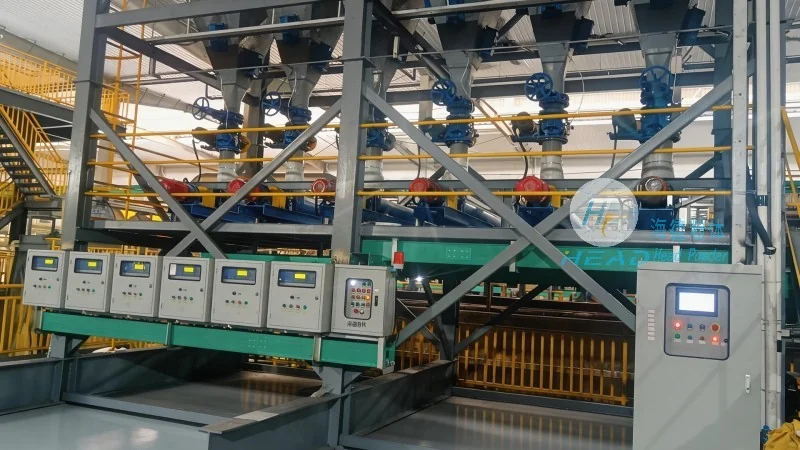
Shandong HeadPowder Engineering Co., Ltd., operating under the brand name HeadPowder, is a leading manufacturer and supplier of fine powder pneumatic conveying equipment. HeadPowder has been at the forefront of innovation in the material handling industry, providing high-quality, customized solutions for clients worldwide. The company is headquartered in Shandong, China, where it leverages advanced manufacturing facilities and experienced engineering teams to develop and produce cutting-edge pneumatic conveying systems. HeadPowder's commitment to quality and customer satisfaction has earned it a reputation as a trusted partner in the industry. The company specializes in designing and manufacturing pressure and vacuum pneumatic conveying systems tailored to the specific needs of its clients. Its products are known for their durability, efficiency, and reliability, making them suitable for a wide range of applications. HeadPowder's engineering team works closely with clients to understand their operational requirements and provide solutions that enhance productivity and reduce costs. The company adheres to international quality standards and continuously invests in research and development to improve its products and stay ahead of industry trends. With a strong presence in both domestic and international markets, HeadPowder continues to be a key player in the pneumatic conveying equipment industry.