

What is a Coal and Coke Powder Pneumatic Conveying Equipment? And What Are Its Design Principles?
Coal and coke powder pneumatic conveying equipment is a specialized system engineered for the efficient transport of fine powders such as coal and coke. This technology is integral to various industrial applications, enabling the safe and reliable movement of bulk materials over long distances or within complex processing facilities. The equipment is designed to address the unique challenges associated with these powders, including their fine particle size, potential for dust generation, and varying flow characteristics.
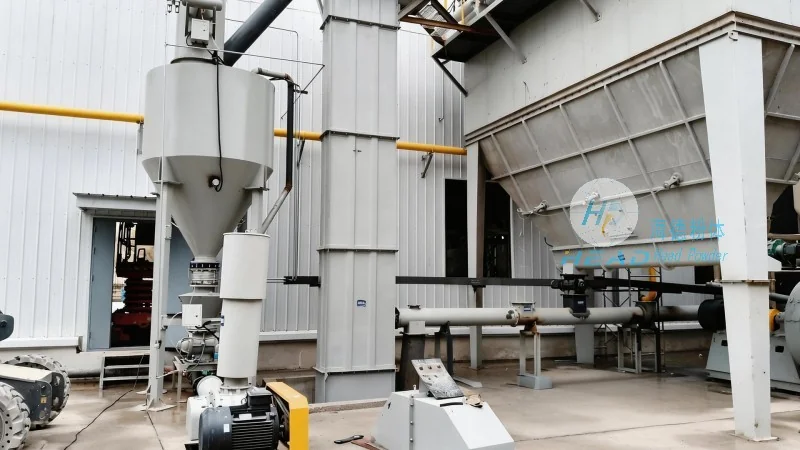
HeadPowder Engineering Co., Ltd.: Your Trusted Partner in Pneumatic Conveying Solutions
At Shandong HeadPowder Engineering Co., Ltd., we specialize in the design, manufacturing, and integration of advanced pneumatic conveying systems tailored to the needs of the coal and coke industry. With our headquarters located in Shandong, China, our team of experienced engineers and technicians leverages decades of expertise to deliver high-performance equipment that meets the most demanding operational requirements. Our commitment to quality, reliability, and customer satisfaction has established us as a leading provider in the field, serving clients globally with customized solutions that enhance productivity and operational efficiency.
Understanding the Core Components and Design Principles
The design of coal and coke powder pneumatic conveying equipment is based on fundamental principles of fluid dynamics and material handling. The system typically consists of several key components, including a hopper for material storage, a conveyor line (often using air as the conveying medium), and a receiver for the delivered material. The selection of these components is critical to ensuring optimal performance and minimizing operational issues.
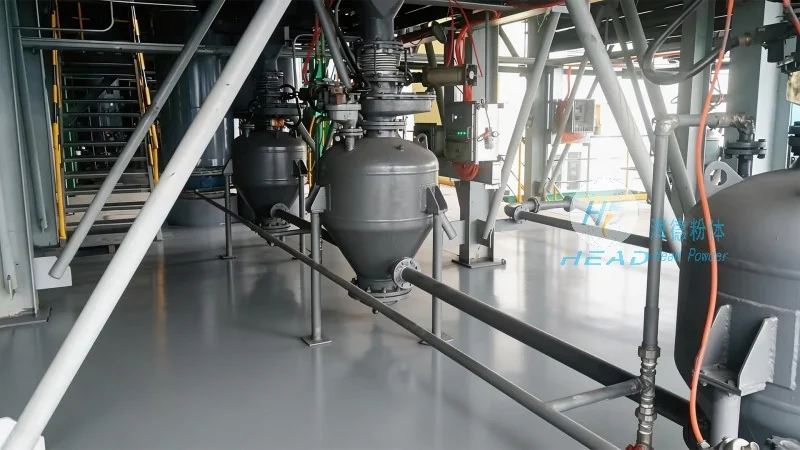
One of the primary design considerations is the choice of conveying method. There are two main types: dilute-phase and dense-phase systems. Dilute-phase systems utilize high-velocity air to transport particles in a suspended state, making them suitable for short to medium distances and low to medium particle loads. Dense-phase systems, conversely, employ lower air velocities and higher material concentrations, ideal for longer distances and higher particle loads while also reducing the risk of dust dispersion and material degradation.
The hopper design is another critical aspect. It must be constructed to prevent material bridging and ensure consistent flow into the conveyor line. The use of appropriate materials, such as stainless steel or corrosion-resistant alloys, is essential to withstand the abrasive nature of coal and coke powders. Additionally, the hopper may incorporate features like vibrators or air knives to facilitate material release and prevent clogging.
The conveyor line itself is engineered to maintain the desired air velocity and pressure. This is achieved through the use of blowers or compressors that generate the necessary airflow. The line is typically made of durable materials, such as PVC or metal, and may include features like bends, elbows, or straight sections to accommodate the layout of the processing facility. The design also considers the need for air filtration and dust collection systems to ensure compliance with environmental regulations and maintain a safe working environment.
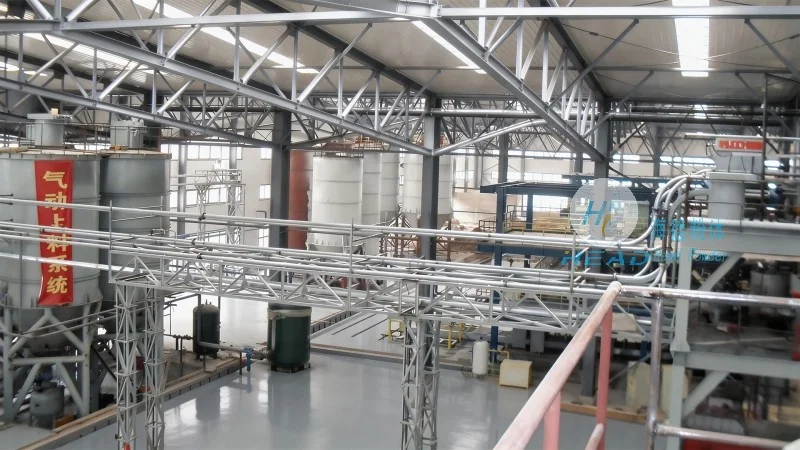
The receiver is designed to collect the conveyed material and may include features like a discharge valve or a hopper to store the material until it is further processed. The receiver is also constructed to prevent air leakage and maintain the pressure within the system, ensuring smooth operation.
Key Advantages of Coal and Coke Powder Pneumatic Conveying Equipment
Implementing a coal and coke powder pneumatic conveying system offers numerous advantages over traditional methods like belt conveyors or bucket elevators. One of the most significant benefits is the ability to transport materials in a closed system, which minimizes dust generation and improves workplace safety. This is particularly important in industries where dust can pose health risks or contribute to environmental pollution.
Another advantage is the flexibility in system layout. Pneumatic conveying systems can be easily adapted to complex facility layouts, including vertical and horizontal transport, as well as changes in direction or elevation. This allows for more efficient use of space and better integration with existing processing equipment.
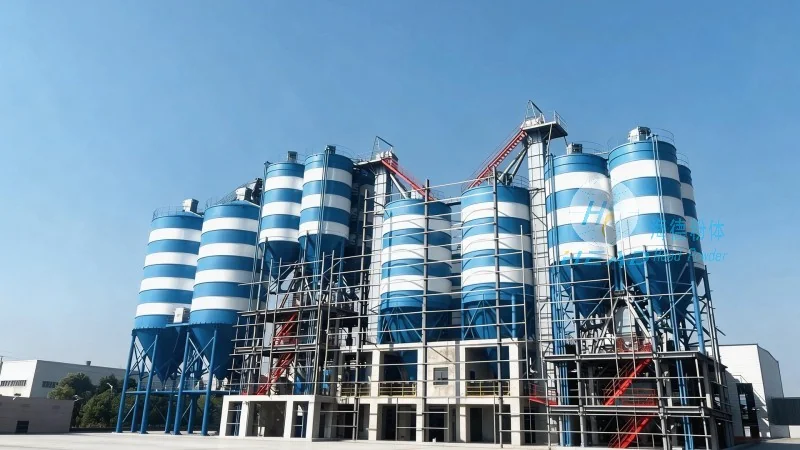
The system also offers improved material handling efficiency. By using air as the conveying medium, the equipment can transport materials at high speeds, reducing the time required for material transfer and increasing overall productivity. Additionally, the closed system design helps maintain the quality of the material, preventing contamination or degradation that can occur with open systems.
Furthermore, the maintenance requirements of pneumatic conveying systems are generally lower compared to other bulk material handling methods. The absence of moving parts in the conveyor line reduces wear and tear, and the system is easier to clean and maintain, minimizing downtime and operational costs.