

What is Corn Kernels Material Pneumatic Conveying? And What Are the Design Principles?
Corn kernels are a widely used agricultural product in various industries, including food processing, animal feed production, and biofuel manufacturing. The efficient and reliable transportation of corn kernels from storage to processing units is crucial for maintaining production efficiency and product quality. Pneumatic conveying systems have emerged as a preferred method for handling corn kernels due to their ability to transport bulk materials with minimal dust, reduced contamination, and lower maintenance costs compared to traditional mechanical conveying methods.
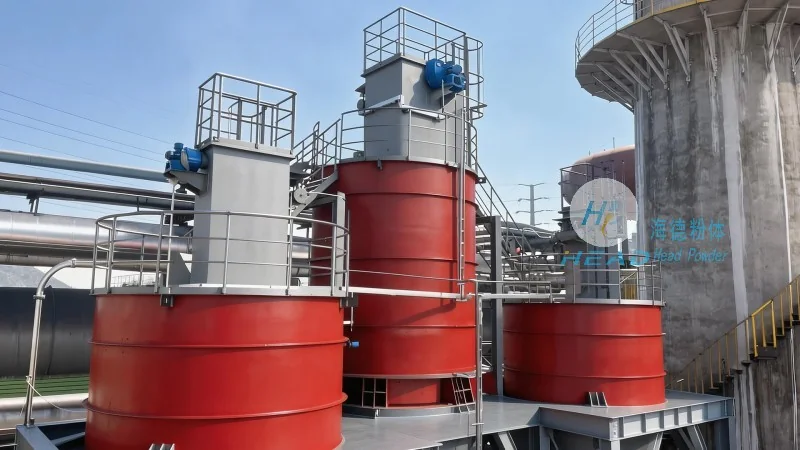
Understanding Pneumatic Conveying Systems
Pneumatic conveying is a technology that uses compressed air or other gases to transport bulk materials through a pipeline. The system typically consists of a material feed hopper, a conveyor line (either positive or negative pressure), and a receiving hopper. The corn kernels are fed into the system, and the air flow creates a drag force that moves the kernels through the pipeline. This method is particularly suitable for handling light, dusty, or fragile materials like corn kernels, as it minimizes mechanical impact and reduces the risk of product degradation.
Corn Kernels Material Pneumatic Conveying: Key Characteristics
When applied to corn kernels, pneumatic conveying systems exhibit several distinct characteristics that make them advantageous for this application. First, the system can handle high volumes of corn kernels with consistent flow rates, ensuring a steady supply to processing equipment. Second, the enclosed pipeline design prevents dust and contaminants from entering the environment, which is critical for maintaining food safety standards and complying with environmental regulations. Third, the system is flexible in terms of layout, allowing for horizontal, vertical, or combined (mixed) conveying paths to accommodate different facility layouts. Additionally, pneumatic conveying reduces the need for manual handling, improving workplace safety and reducing labor costs.
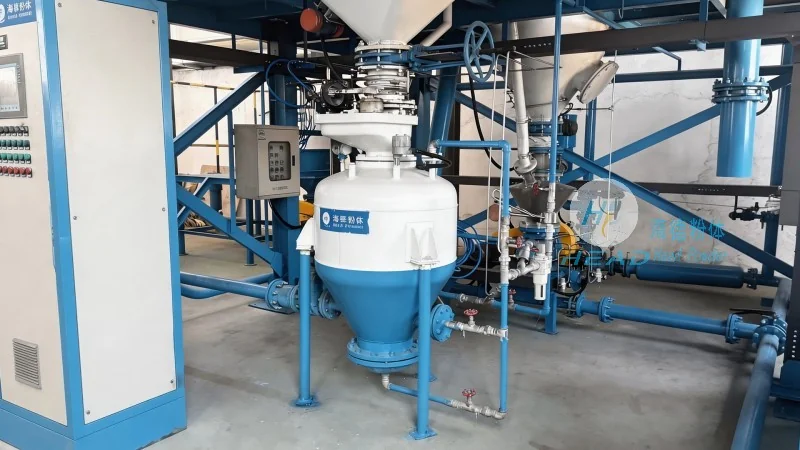
Design Principles for Corn Kernels Pneumatic Conveying Systems
The design of a corn kernels pneumatic conveying system involves several critical principles to ensure optimal performance and reliability. The first principle is the selection of the appropriate conveying method—either positive pressure (where air is blown into the system to push the material) or negative pressure (where air is drawn out to pull the material). Positive pressure systems are often preferred for corn kernels due to their ability to handle longer distances and higher material loads without significant pressure drops. The second principle is the calculation of air velocity and pressure requirements. The air velocity must be sufficient to maintain the material in suspension but not so high as to cause excessive wear on the pipeline or equipment. For corn kernels, typical air velocities range from 20 to 30 meters per second, with pressure levels varying based on the system length and elevation changes. The third principle is the sizing of the pipeline and components. The diameter of the pipeline is determined by the material flow rate and air velocity, ensuring that the system can handle the required volume without excessive energy consumption. Components such as feeders, cyclones, and filters are also carefully designed to prevent blockages and maintain system efficiency. The fourth principle is the integration of safety features, including pressure relief valves, dust collection systems, and emergency shut-off mechanisms, to protect both the equipment and personnel from potential hazards.
System Components and Their Roles
A corn kernels pneumatic conveying system comprises several key components, each playing a vital role in the overall operation. The material feed hopper is responsible for storing and feeding the corn kernels into the system. It is typically equipped with a rotary valve or a screw feeder to control the flow rate and prevent material buildup. The conveyor line, made of stainless steel or other corrosion-resistant materials, transports the corn kernels through the pipeline. The air supply system, which includes a compressor and air dryer, provides the necessary compressed air to drive the conveying process. The receiving hopper collects the corn kernels at the end of the pipeline and feeds them to the next processing stage. Cyclones and filters are used to separate the corn kernels from the air stream, ensuring that the material is delivered to the receiving hopper without any residual dust or particles. The control system, which monitors pressure, flow rate, and other parameters, allows for real-time adjustments to maintain optimal system performance.
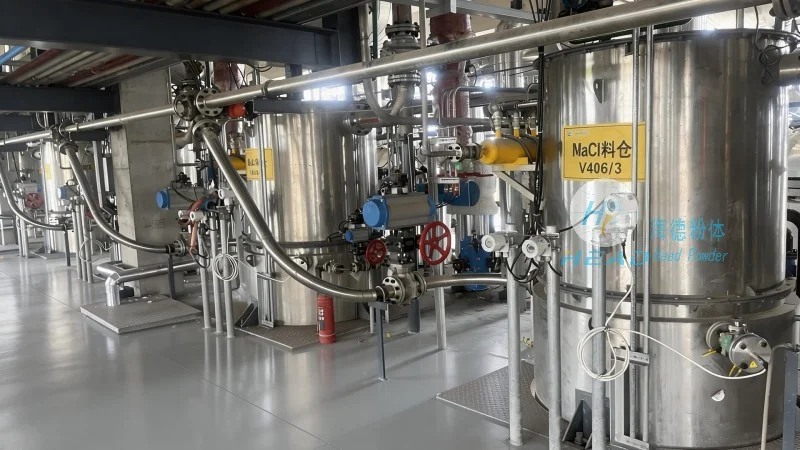
Advantages and Considerations in Corn Kernels Pneumatic Conveying
Implementing a corn kernels pneumatic conveying system offers several advantages, including improved product quality, reduced labor costs, and enhanced workplace safety. However, there are also considerations to keep in mind when designing and operating such a system. One key consideration is the material's properties, such as size, density, and moisture content, as these factors affect the system's performance and energy consumption. For example, larger corn kernels may require higher air velocities to maintain suspension, while higher moisture content can increase the risk of clogging. Another consideration is the system's energy efficiency, as pneumatic conveying can be energy-intensive, especially for long-distance or high-volume applications. Proper system design and regular maintenance are essential to minimize energy consumption and maximize efficiency. Additionally, the system's maintenance requirements should be considered, as components like cyclones and filters may need to be cleaned or replaced periodically to prevent performance degradation.
About Shandong HeadPowder Engineering Co., Ltd.
Shandong HeadPowder Engineering Co., Ltd., commonly known as HeadPowder, is a leading manufacturer and supplier of pneumatic conveying systems and related equipment in China. With a focus on innovation and quality, HeadPowder has established itself as a trusted partner for industries requiring efficient bulk material handling solutions. The company's expertise in corn kernels material pneumatic conveying systems is built on years of experience and a deep understanding of the unique challenges associated with handling agricultural products. HeadPowder's team of engineers and technicians work closely with clients to design customized systems that meet their specific requirements, ensuring optimal performance, reliability, and cost-effectiveness. The company's commitment to customer satisfaction and product excellence has made it a preferred choice for businesses in the food processing, animal feed, and biofuel industries. HeadPowder's facilities are located in Shandong, China, where the company leverages local resources and expertise to deliver high-quality products and services to clients worldwide.