

What is the pneumatic conveying of gypsum powder and ash materials? What are the design principles?
HeadPowder, a leading engineering company based in Shandong, China, specializes in the design and implementation of pneumatic conveying systems for handling gypsum powder and ash materials. This article provides an in-depth exploration of the technology, focusing on the fundamental principles and practical applications of such systems.
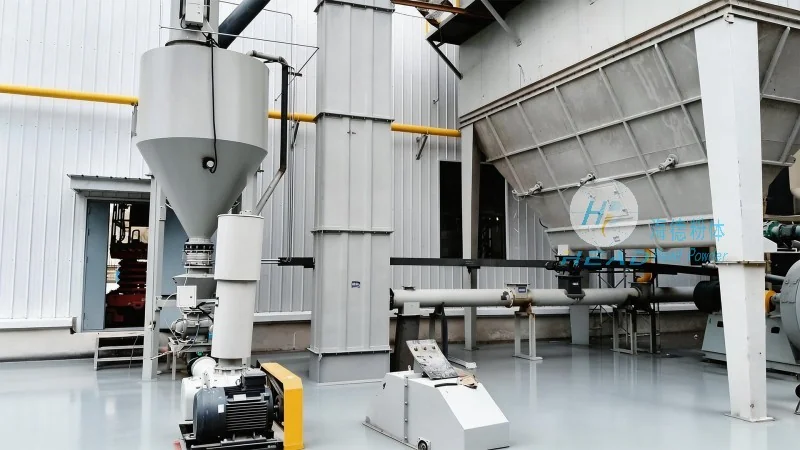
Understanding Pneumatic Conveying Systems for Gypsum and Ash Materials
Pneumatic conveying, also known as pneumatic transport, is a method of transporting bulk materials through a pipeline using a gas stream, typically air or a mixture of air and other gases. In the context of gypsum powder and ash materials, this technology is crucial for efficient and safe material handling, especially in industrial settings where these materials are commonly used in construction, power generation, and waste management.
Key Components of a Pneumatic Conveying System
The design of a pneumatic conveying system for gypsum and ash materials involves several critical components that work in tandem to ensure reliable operation. These components include the material feed system, the conveying pipeline, the air supply system, and the control and monitoring equipment. Each component plays a vital role in the overall functionality of the system.
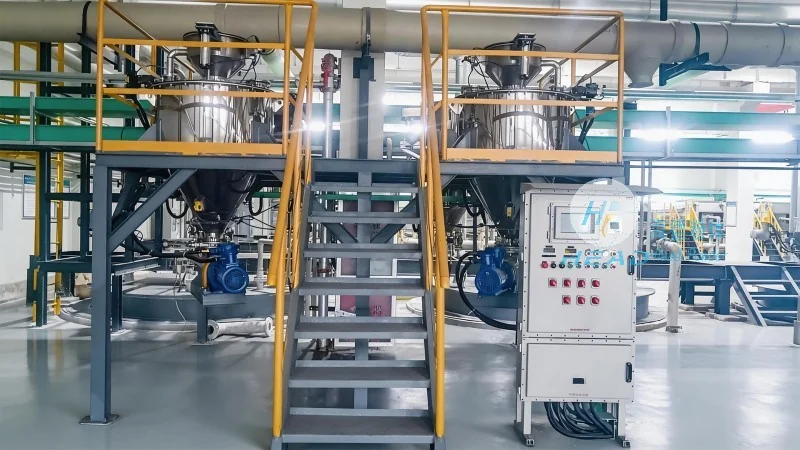
Material Feed System
The material feed system is responsible for introducing the gypsum powder or ash into the conveying pipeline. This system typically includes a hopper or a feeder that can handle the bulk material and ensure a consistent flow into the system. For gypsum, which can be fine and dusty, specialized feeders such as rotary valves or screw feeders are often used to prevent clogging and maintain a steady feed rate. Ash materials, often coarser or with higher moisture content, may require different feeding mechanisms to ensure smooth material transfer.
Conveying Pipeline
The conveying pipeline is the core of the pneumatic system, where the material is transported through the gas stream. The design of the pipeline, including its diameter, length, and layout, is critical for maintaining the efficiency and effectiveness of the conveying process. For gypsum and ash materials, which can be abrasive and potentially corrosive, the pipeline is usually constructed from materials such as stainless steel or high-grade plastic to withstand the wear and tear from the material and the gas flow. The pipeline may also include bends, elbows, and other fittings that are designed to minimize pressure losses and ensure smooth material movement.
Air Supply System
The air supply system provides the necessary gas flow to move the material through the pipeline. This system typically includes a blower or a fan that generates the required air pressure and volume. The choice of air supply equipment depends on the material characteristics, the conveying distance, and the desired conveying rate. For gypsum powder, which is fine and light, a lower air pressure may be sufficient, while ash materials, which are often heavier and more abrasive, may require higher air pressure to ensure effective transport. The air supply system may also include filters and moisture control equipment to maintain the quality of the air and prevent contamination of the material.
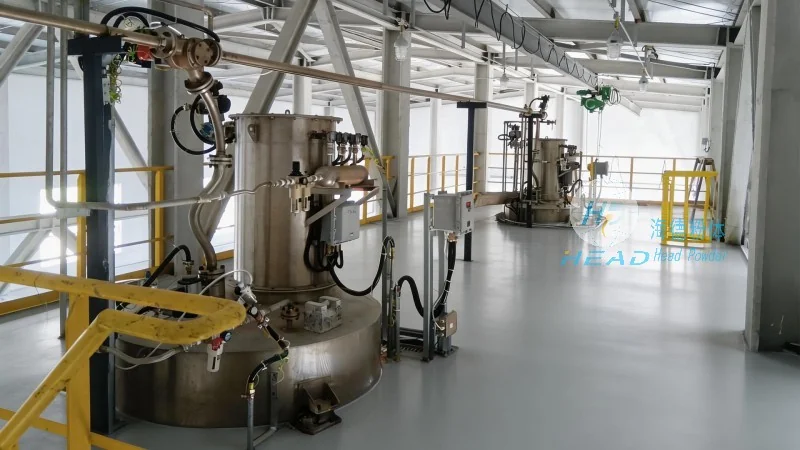
Control and Monitoring Equipment
Control and monitoring equipment is essential for managing the operation of the pneumatic conveying system and ensuring its safe and efficient performance. This equipment includes sensors and controllers that monitor parameters such as pressure, flow rate, and material level. The system may also include alarms and safety features to detect and respond to any issues, such as blockages or pressure drops, that could affect the operation of the system. Advanced control systems can optimize the operation of the system, adjusting the air pressure and feed rate to maintain the desired conveying performance.
Design Principles for Pneumatic Conveying Systems
The design principles of a pneumatic conveying system for gypsum and ash materials are based on several key factors, including the material properties, the conveying distance, and the required throughput. The system must be designed to handle the specific characteristics of the material, such as its particle size, density, and flowability. For example, fine gypsum powder may require a higher air velocity to prevent settling in the pipeline, while coarser ash materials may require a lower air velocity to avoid excessive wear on the pipeline and equipment. The conveying distance and the required throughput also influence the design, as longer distances and higher throughput may require more powerful air supply equipment and larger pipeline diameters.
Advantages of Pneumatic Conveying for Gypsum and Ash Materials
Pneumatic conveying offers several advantages over traditional material handling methods, such as belt conveyors or bucket elevators, for gypsum and ash materials. One of the primary advantages is the ability to transport materials over long distances without the need for multiple transfer points or elevators. This reduces the overall system complexity and cost. Another advantage is the ability to handle fine and dusty materials without generating significant dust emissions, which is important for environmental compliance and worker safety. Additionally, pneumatic conveying systems can be designed to be compact and space-efficient, making them suitable for installations with limited space.
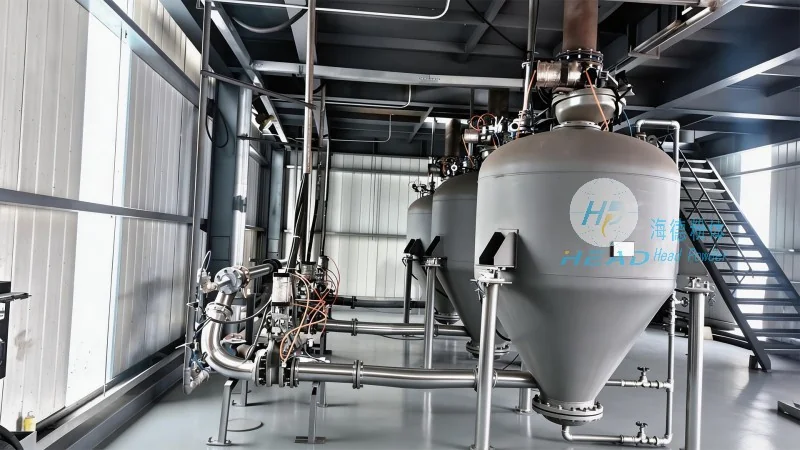
Applications in Industrial Settings
Pneumatic conveying systems for gypsum and ash materials are widely used in various industrial applications. In the construction industry, gypsum powder is used to produce drywall and other building materials, and pneumatic conveying is used to transport the material from storage to production facilities. In the power generation industry, ash from coal-fired power plants is often transported from the boiler to storage facilities using pneumatic systems, which helps to reduce the environmental impact of ash disposal. In waste management, pneumatic conveying is used to transport ash and other waste materials from waste incinerators to disposal sites or recycling facilities.
Conclusion
HeadPowder, with its expertise in engineering and design, provides comprehensive solutions for pneumatic conveying systems tailored to the specific needs of gypsum and ash materials. By understanding the design principles and components of such systems, industries can achieve efficient, safe, and cost-effective material handling, ensuring optimal performance and compliance with environmental regulations. The company's commitment to quality and innovation ensures that its systems meet the highest standards of performance and reliability, making them a trusted choice for businesses in need of reliable material transport solutions.