

What is a Fine Light Sand Material Pneumatic Conveying System? What are the Design Principles?
For industries dealing with fine light sand materials, selecting the right material handling solution is crucial for efficiency and cost-effectiveness. A pneumatic conveying system, specifically designed for fine light sand, offers a non-contact, dust-free method to transport such materials. This article explores what a fine light sand material pneumatic conveying system is and the key design principles that ensure its optimal performance, presented by Shandong HeadPowder Engineering Co., Ltd., a leading provider of material handling solutions.
Understanding Fine Light Sand Material Pneumatic Conveying Systems
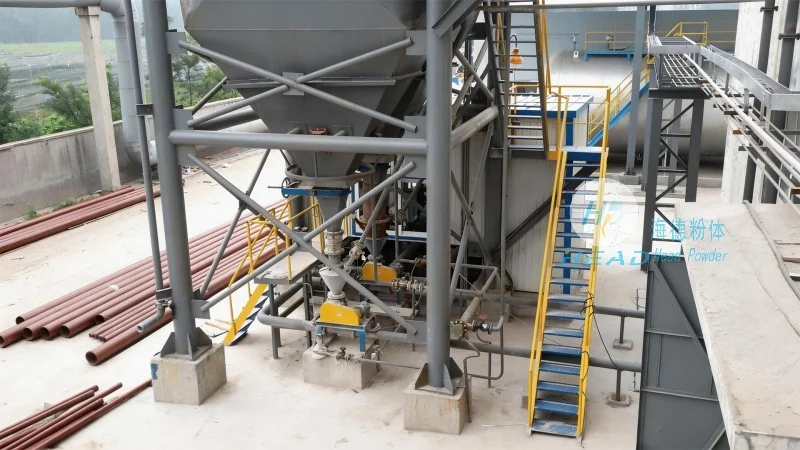
A fine light sand material pneumatic conveying system is a specialized equipment setup used to transport fine, lightweight sand particles through a pipeline using air or gas as the conveying medium. Unlike traditional mechanical conveyors, which may cause material degradation or contamination, pneumatic systems provide a clean and efficient way to move these delicate materials. The system typically consists of a hopper for material storage, a feeder to control the flow rate, a conveying line (often with multiple segments), and a receiver for the discharged material. The entire process relies on the pressure or vacuum created by the air flow to move the sand particles through the system.
Key Components of the System
The effectiveness of a fine light sand pneumatic conveying system depends on several critical components working in harmony. The first component is the material hopper, which stores the fine light sand and provides a consistent feed to the system. The hopper is often equipped with a level indicator to monitor the material volume and a discharge valve to regulate the flow. The feeder, usually a rotary valve or a screw feeder, controls the rate at which the sand is introduced into the conveying line, ensuring a steady and controlled flow. The conveying line itself is made of materials resistant to abrasion and corrosion, such as stainless steel or special plastics, to withstand the continuous movement of the sand particles. The line may include bends, expansions, and filters to maintain the air quality and prevent material buildup. Finally, the receiver collects the transported sand and is designed to minimize dust emissions and ensure easy material discharge.
Design Principles for Optimal Performance
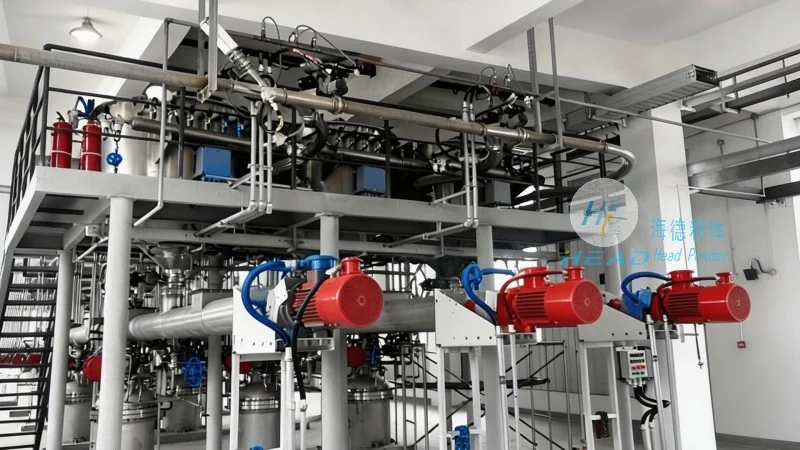
The design of a fine light sand material pneumatic conveying system involves several key principles to ensure efficiency, reliability, and longevity. The first principle is the selection of the appropriate conveying method, which can be either pressure or vacuum-based. Pressure systems use compressed air to push the material forward, while vacuum systems use a vacuum to pull the material. The choice depends on the material characteristics, distance to be conveyed, and system layout. The second principle is the calculation of the air velocity and flow rate. The air velocity must be high enough to keep the sand particles suspended but not so high as to cause excessive wear on the system components. The flow rate is determined based on the material's bulk density and the desired throughput. The third principle is the consideration of system pressure and energy consumption. Efficient design minimizes energy use while maintaining the required conveying capacity. This involves optimizing the pipeline diameter, length, and number of bends to reduce pressure losses. The fourth principle is the inclusion of safety and maintenance features. The system should have pressure relief valves, filters to trap dust, and easy access points for maintenance to ensure safe and reliable operation. Additionally, the design should account for the material's specific properties, such as its particle size distribution, moisture content, and abrasiveness, to prevent system degradation and ensure long-term performance.
Applications and Benefits
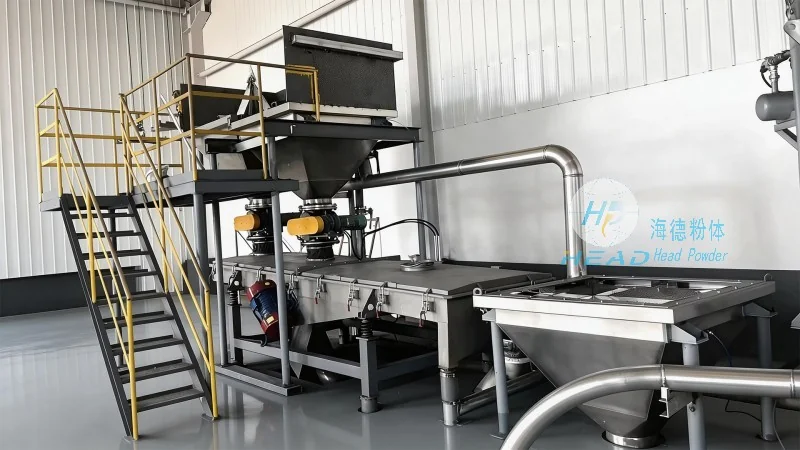
Fine light sand material pneumatic conveying systems are widely used in various industries, including construction, foundries, and chemical processing. In construction, they are used to transport sand for concrete mixing and other applications. In foundries, they help move sand for mold making and casting processes. The benefits of using such systems include improved material handling efficiency, reduced labor costs, and enhanced safety due to the non-contact nature of the process. Additionally, pneumatic systems minimize material contamination and degradation, which is critical for high-quality products. The systems also offer flexibility in layout, allowing for easy integration into existing production lines and the ability to transport materials over long distances without the need for multiple transfer points.
Conclusion
A fine light sand material pneumatic conveying system is a sophisticated and efficient solution for handling fine, lightweight sand particles. By understanding the key components and design principles, industries can select and implement a system that meets their specific needs. The system's ability to provide a clean, dust-free, and non-contact method of material transport makes it an ideal choice for modern manufacturing processes. As technology advances, these systems continue to evolve, offering improved performance and reliability for the transportation of fine light sand materials. Shandong HeadPowder Engineering Co., Ltd., based in Shandong, China, remains at the forefront of developing and delivering advanced pneumatic conveying solutions tailored to the demands of the fine light sand industry.