

What is a Stearic Acid Sodium Material Pneumatic Conveying System? What Are Its Design Principles?
Stearic acid sodium, a widely used chemical additive in various industries, often requires efficient and reliable material handling solutions for its transport. The pneumatic conveying system, particularly designed for such powders, offers a sophisticated approach to material movement. This article explores the concept of a stearic acid sodium material pneumatic conveying system and delves into its underlying design principles, highlighting the technical aspects that ensure optimal performance.
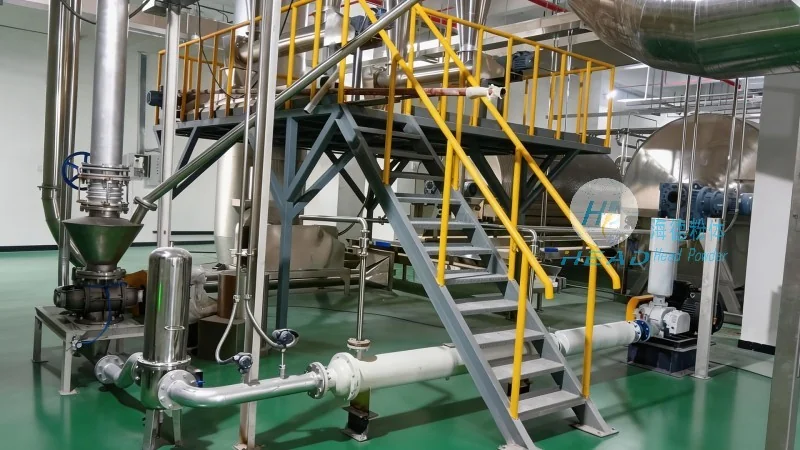
Understanding Stearic Acid Sodium and Its Handling Needs
Stearic acid sodium, also known as sodium stearate, is a fatty acid salt commonly employed as a surfactant, stabilizer, or lubricant in manufacturing processes. Its granular or powdered form necessitates specialized handling to prevent product degradation, contamination, or loss during transport. Traditional methods like belt conveyors or manual handling may not suffice due to the material's hygroscopic nature and potential for dust generation. Therefore, a pneumatic conveying system emerges as an ideal solution, providing a closed-loop, dust-free environment that safeguards product quality while enabling seamless material transfer.
The Core Components of a Pneumatic Conveying System for Stearic Acid Sodium
A pneumatic conveying system for stearic acid sodium typically comprises several key components that work in tandem to achieve efficient material transport. The primary elements include a hopper for material storage, a feeder to control the flow rate, a conveying line (either positive or negative pressure), a filter system to capture fine particles, and a receiver for the delivered material. Each component is meticulously designed to accommodate the specific properties of stearic acid sodium, such as its particle size, density, and flow characteristics.
Design Principles for Optimal Performance
The design of a stearic acid sodium pneumatic conveying system is governed by several critical principles aimed at maximizing efficiency, minimizing energy consumption, and ensuring product integrity. One of the fundamental principles is the selection of the appropriate conveying pressure and velocity. High-pressure systems are suitable for long-distance or high-resistance applications, while low-pressure systems are preferred for short distances or low-resistance scenarios. The velocity of the conveying air must be carefully controlled to prevent particle degradation or blockages in the line. Additionally, the system's design considers the material's dust explosion risk, incorporating explosion-proof features and proper grounding to ensure safety.
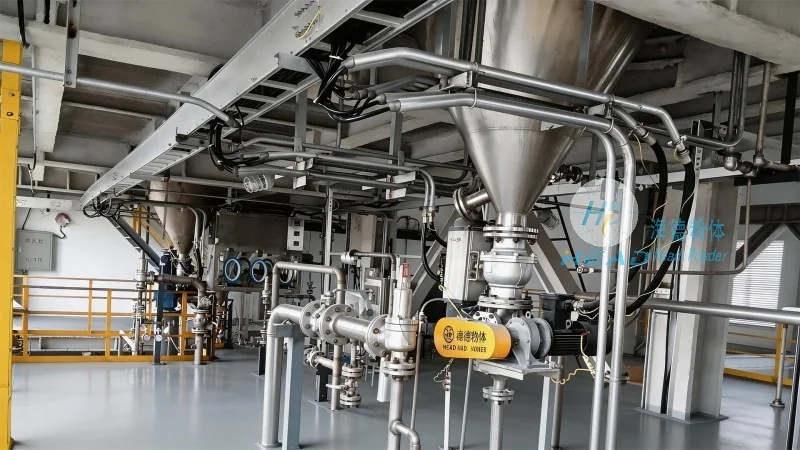
Material Flow and Pressure Considerations
Proper material flow and pressure management are crucial for the successful operation of a stearic acid sodium pneumatic conveying system. The system's design must account for the material's bulk density and flowability. For stearic acid sodium, which may exhibit cohesive or bridging tendencies, anti-bridging devices or vibrators may be integrated into the hopper to maintain consistent flow. The pressure drop across the conveying line is another critical factor, as excessive pressure drop can lead to energy inefficiency or system failure. Engineers use computational fluid dynamics (CFD) and empirical data to model the system's performance and optimize pressure and flow rates.
System Integration and Maintenance
Effective integration of the pneumatic conveying system with existing production lines is essential for seamless operation. The system must be compatible with the plant's infrastructure, including electrical and pneumatic connections, and must adhere to local safety regulations. Regular maintenance is also vital to ensure long-term reliability. Components such as filters, seals, and valves require periodic inspection and replacement to prevent clogging or leaks, which could compromise system performance or product quality.
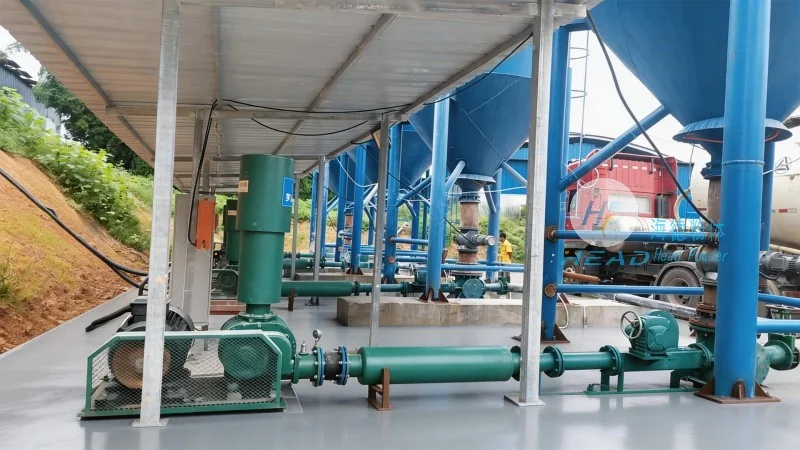
Applications and Industry Impact
The stearic acid sodium pneumatic conveying system finds applications across various industries, including food processing, pharmaceuticals, and cosmetics. In these sectors, the system's ability to handle sensitive materials while maintaining hygiene and safety standards is paramount. By providing a dust-free and controlled environment, the system enhances product quality and reduces waste, contributing to overall operational efficiency. The design principles discussed above ensure that the system meets the stringent requirements of these industries, making it a reliable choice for material handling.
Shandong HeadPowder Engineering Co., Ltd., a leading provider of material handling solutions, specializes in designing and manufacturing pneumatic conveying systems tailored to the needs of stearic acid sodium and other similar materials. With a focus on innovation and customer satisfaction, the company ensures that its systems are built to withstand the demands of industrial environments while delivering optimal performance and longevity.
Located in Shandong, China, HeadPowder leverages its expertise in mechanical engineering and material science to develop customized solutions that address the unique challenges of each client. The company's commitment to quality and safety is reflected in its adherence to international standards and rigorous testing protocols. By partnering with HeadPowder, businesses can enhance their material handling processes, reduce operational costs, and improve overall productivity.