

What is an Expandable Polystyrene Material Pneumatic Conveying System? What are the Design Principle
HeadPowder, a leading provider of material handling solutions, specializes in the design and implementation of pneumatic conveying systems for various industrial applications. This article explores the concept of an expandable polystyrene (EPS) material pneumatic conveying system, detailing its operational principles and key design considerations.
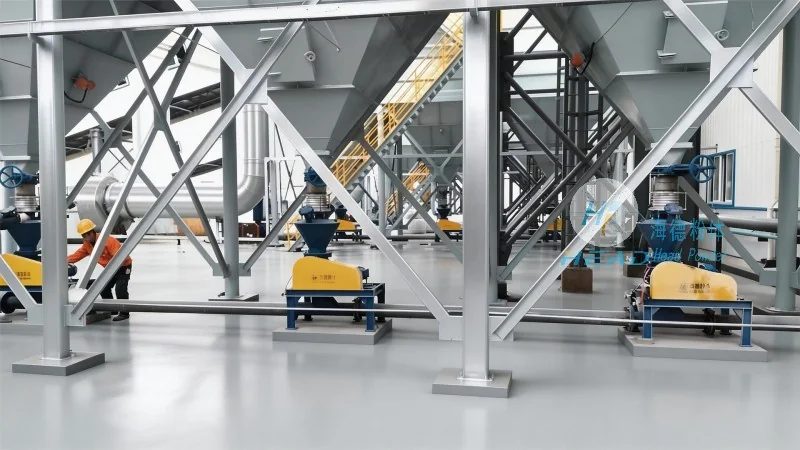
Understanding Expandable Polystyrene Material Pneumatic Conveying Systems
An expandable polystyrene material pneumatic conveying system is a specialized equipment used to transport EPS particles or granules through an enclosed pipeline using air or other gas as the conveying medium. Unlike traditional bulk material handling methods such as belt conveyors or screw conveyors, pneumatic conveying systems offer advantages like flexibility, cleanliness, and the ability to handle materials that are dusty or have a tendency to create dust during transport.
The Core Components of a Pneumatic Conveying System
At the heart of any pneumatic conveying system are several key components that work in tandem to ensure efficient material transport. These components typically include a hopper or feed hopper to store the EPS material, a feeder mechanism to control the flow rate of the material into the system, a conveying line (usually made of metal or plastic) where the material is propelled by the air stream, a fan or blower to generate the necessary air pressure, and a receiver or discharge hopper where the material is collected at the destination.
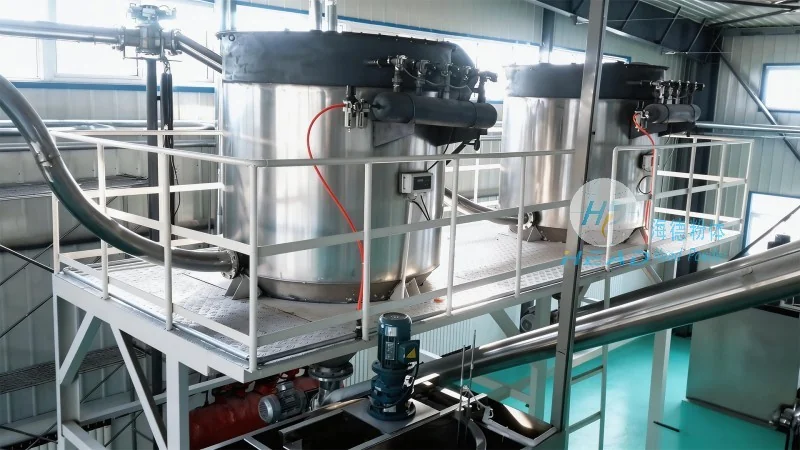
Design Principles for Efficient EPS Material Transport
The design of an EPS material pneumatic conveying system involves several critical principles aimed at optimizing performance, minimizing material degradation, and ensuring long-term reliability. One of the primary design considerations is the air velocity within the conveying line. The air velocity must be sufficient to lift and move the EPS particles but not so high as to cause excessive wear on the system components or to degrade the material itself. Typically, the air velocity is maintained between 20 to 30 meters per second for fine EPS particles and can be adjusted based on the particle size and density.
Another crucial design principle is the system's pressure. Pneumatic conveying systems can operate under either positive pressure (where air is forced into the system) or negative pressure (where air is drawn out). For EPS materials, positive pressure systems are often preferred as they provide better control over material flow and reduce the risk of dust leakage. The pressure level is determined by the distance the material needs to travel and the number of bends or changes in direction within the pipeline.
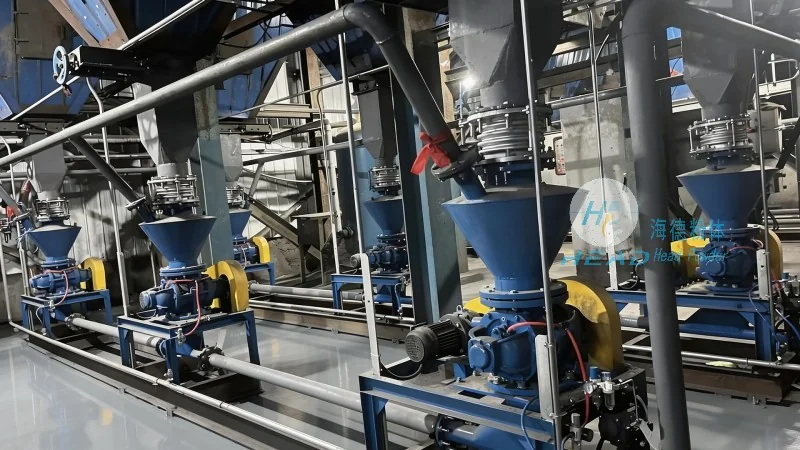
Material Characteristics and Their Impact on System Design
EPS materials have specific properties that influence the design of the pneumatic conveying system. EPS is a lightweight, low-density material with a relatively low bulk density, which means it requires a higher air velocity to achieve effective transport compared to denser materials. Additionally, EPS particles are often irregularly shaped and can have a tendency to agglomerate, which may affect the flow characteristics and require the use of special feeders or agitators to maintain a consistent material flow.
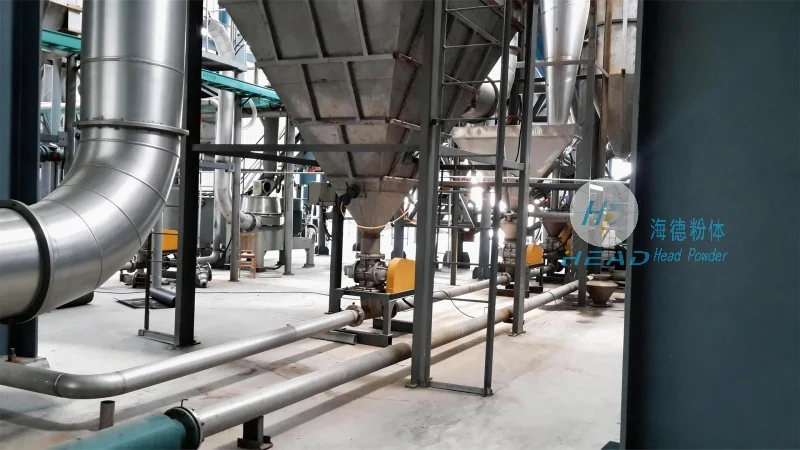
Advantages of Using a Pneumatic Conveying System for EPS
Implementing a pneumatic conveying system for EPS materials offers several benefits over traditional handling methods. Firstly, it provides a dust-free environment, which is critical for maintaining product quality and ensuring workplace safety. Secondly, the system is highly flexible, allowing for changes in material flow rates or destination without major modifications to the infrastructure. Thirdly, it reduces the risk of material contamination and can be integrated with other processing equipment, such as mixing or compounding machines, to form a seamless production line.
Conclusion
Expandable polystyrene material pneumatic conveying systems are sophisticated solutions designed to efficiently transport EPS materials in industrial settings. By understanding the core components, design principles, and material characteristics, engineers and manufacturers can select or design a system that meets their specific operational needs. HeadPowder, with its expertise in material handling, continues to provide tailored solutions that enhance productivity and ensure the quality of EPS materials throughout the conveying process.