

What is the Gypsum Powder Material Pneumatic Conveying Equipment? What is its Design Principle?
Gypsum powder, a widely used industrial material in construction, manufacturing, and other sectors, often requires efficient and reliable transportation methods to move it from one location to another. Pneumatic conveying equipment has emerged as a preferred solution for handling gypsum powder due to its ability to transport dry powders in a closed system, minimizing dust, and ensuring consistent flow. This article explores the concept of gypsum powder material pneumatic conveying equipment and delves into its fundamental design principles.
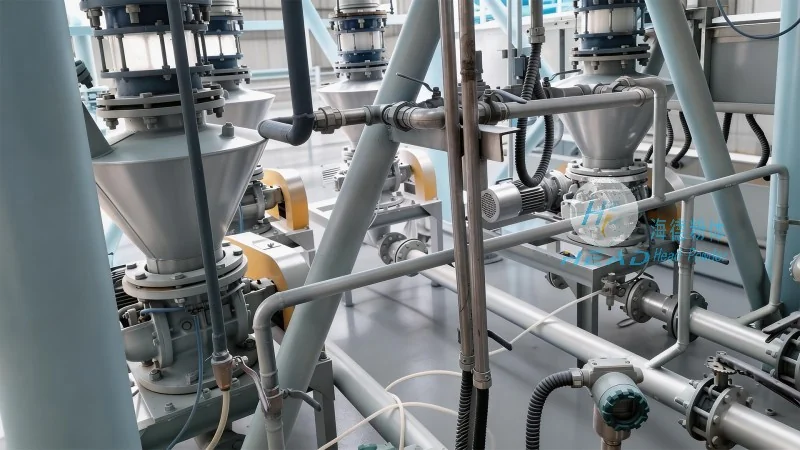
Company Overview: Shandong HeadPowder Engineering Co., Ltd.
Shandong HeadPowder Engineering Co., Ltd., headquartered in Shandong, China, is a leading manufacturer specializing in the design, development, and supply of advanced pneumatic conveying systems. With years of experience in the industry, the company has built a reputation for delivering high-quality equipment tailored to the specific needs of clients handling gypsum powder and other similar materials. HeadPowder's commitment to innovation and customer satisfaction has positioned it as a trusted partner for businesses seeking efficient material handling solutions.
Understanding Pneumatic Conveying Systems for Gypsum Powder
Pneumatic conveying systems utilize air or gas to transport dry powders like gypsum through a network of pipes and components. These systems can be categorized into two main types: dilute-phase and dense-phase. Dilute-phase systems rely on high-velocity air to move particles, while dense-phase systems use lower air velocities and higher particle concentrations to ensure stable and controlled transport. For gypsum powder, the choice of system depends on factors such as the material's properties, the distance to be covered, and the required flow rate.
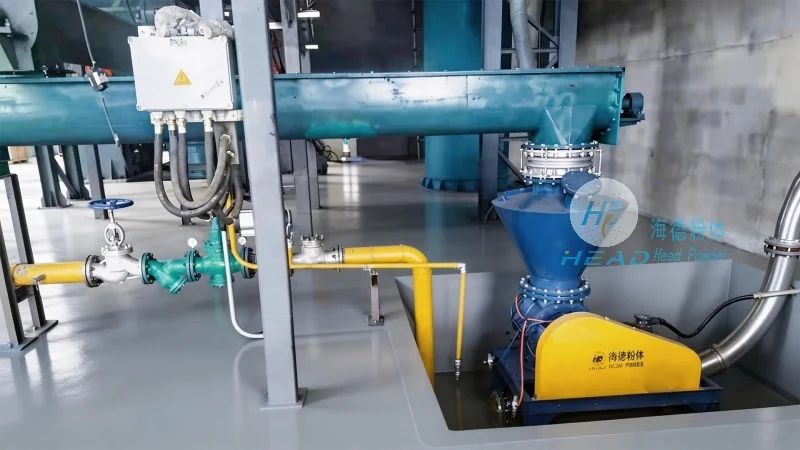
Key Design Principles and Components
The design of a gypsum powder pneumatic conveying system involves several critical components and principles to ensure optimal performance. The primary components include the hopper, which stores the gypsum powder and feeds it into the system; the conveyor line, which consists of pipes and fittings that guide the material; the air compressor or blower, which generates the necessary air pressure; and the control system, which regulates the flow and pressure. The design must also consider factors like the particle size distribution, moisture content, and bulk density of the gypsum powder, as these affect the system's efficiency and reliability.
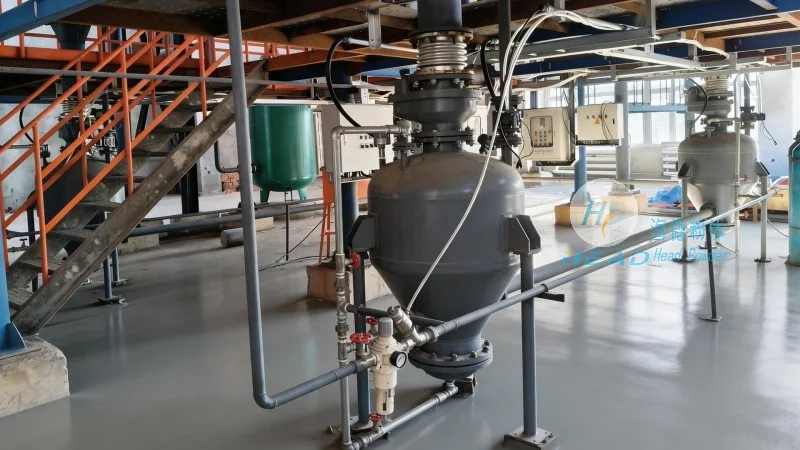
Application Scenarios and Operational Advantages
Gypsum powder pneumatic conveying equipment is widely used in various industries, including construction, where it is used in the production of drywall and plaster; in manufacturing, for producing gypsum-based products like boards and panels; and in agricultural applications, where it serves as a soil amendment. The operational advantages of these systems include reduced labor costs, improved safety by minimizing dust exposure, and increased productivity due to continuous and automated material transport. Additionally, the closed system design helps maintain product quality by preventing contamination and moisture absorption.
Conclusion and Contact Information
In conclusion, gypsum powder material pneumatic conveying equipment is a vital technology for efficiently handling this essential industrial material. The design principles and components of these systems are carefully engineered to meet the specific demands of gypsum powder, ensuring reliable and safe transport. For businesses seeking to enhance their material handling capabilities, Shandong HeadPowder Engineering Co., Ltd. offers tailored solutions that combine advanced technology with expert engineering. Contact the company at its headquarters in Shandong, China, to learn more about their pneumatic conveying systems and how they can support your operations.