

What is Methylcellulose Material Pneumatic Conveying Equipment? What Are Its Design Principles?
Methylcellulose, a non-ionic cellulose ether, is widely used in various industrial applications due to its excellent film-forming, thickening, and stabilizing properties. When handling methylcellulose powder or granules, efficient and reliable material transport is crucial. Pneumatic conveying equipment offers a solution by utilizing air as the conveying medium to move the material from one location to another. This article explores the concept of methylcellulose material pneumatic conveying equipment and delves into its design principles, providing insights into how such systems are engineered for optimal performance.
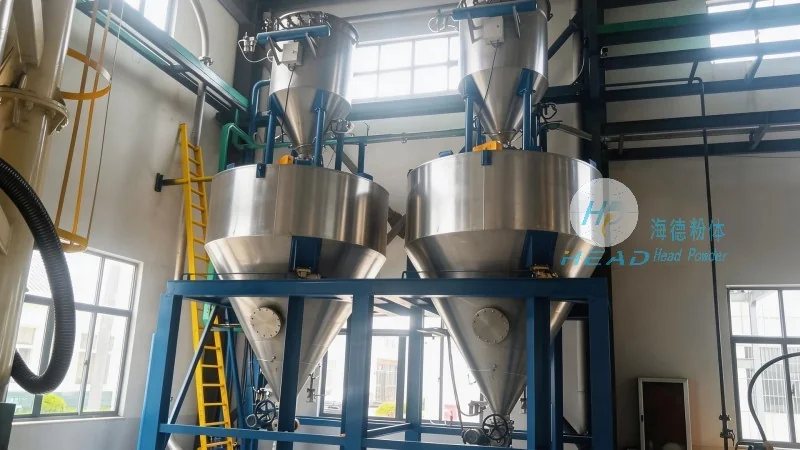
Understanding Pneumatic Conveying Systems
Pneumatic conveying systems are a type of bulk material handling technology that uses compressed air to transport solid materials. These systems are particularly suitable for handling fine powders like methylcellulose, which can be prone to dusting and clogging in traditional mechanical conveyors. The core components of a pneumatic conveying system typically include a hopper for material storage, a blower or compressor to generate airflow, a conveying line (often with bends and fittings), and a receiver or discharge point. The choice of system type—such as dilute-phase or dense-phase—depends on factors like material characteristics, distance, and required flow rate.
Design Principles for Methylcellulose Pneumatic Conveying Equipment
The design of methylcellulose material pneumatic conveying equipment must consider several key factors to ensure efficient operation and minimize issues like blockages or material degradation. First, the system must be capable of handling the specific properties of methylcellulose, including its fine particle size and potential for agglomeration. This often requires specialized hopper designs with smooth, non-stick surfaces to prevent material buildup and ensure consistent flow. The blower or compressor selection is critical, as it needs to generate sufficient air pressure and volume to maintain the material in suspension. For dilute-phase systems, higher air velocities are used to keep particles airborne, while dense-phase systems use lower velocities to reduce wear on components and prevent material degradation.
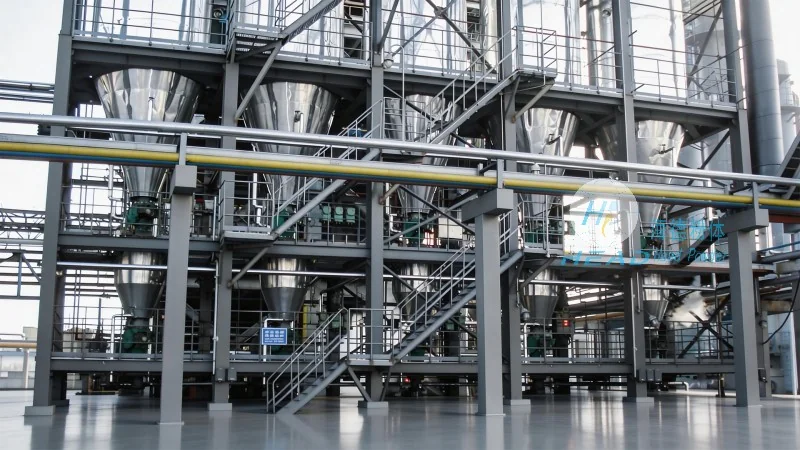
Key Components and Their Functions
Several key components are integral to the operation of methylcellulose pneumatic conveying equipment. The hopper is the first component where material is stored before being fed into the system. It is typically equipped with a rotary valve or star feeder to control the material flow rate, ensuring a steady supply to the conveying line. The blower or compressor provides the necessary air pressure, with options ranging from positive displacement blowers to centrifugal compressors, depending on the system requirements. The conveying line is usually made of materials resistant to corrosion and abrasion, such as stainless steel or polyethylene, to withstand the effects of methylcellulose particles over time. At the discharge end, a receiver or cyclone separator is used to separate the material from the air stream, allowing the methylcellulose to be collected in a container while the air is discharged or recirculated.
Companies specializing in bulk material handling, such as Shandong HeadPowder Engineering Co., Ltd. (headpowder), offer tailored pneumatic conveying solutions for methylcellulose applications. These manufacturers leverage years of experience to design systems that address the unique challenges of handling fine powders like methylcellulose, ensuring reliable and efficient material transport. The expertise of such companies includes selecting the appropriate blower type, determining the optimal conveying line diameter, and implementing proper maintenance protocols to maximize system performance and longevity.
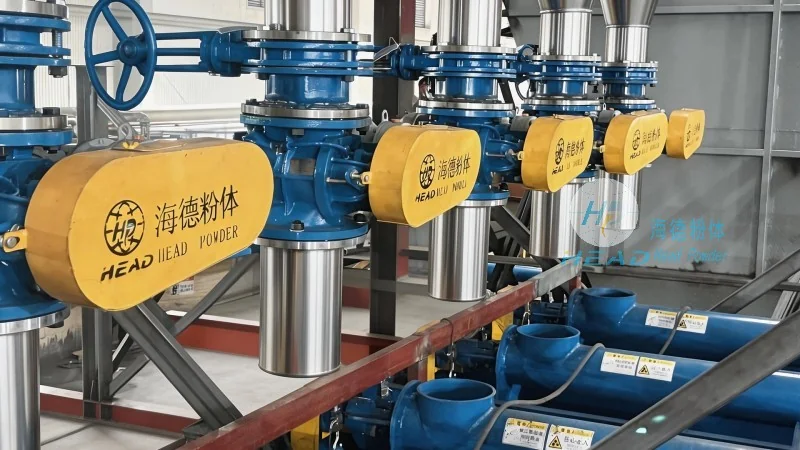
Advantages of Pneumatic Conveying for Methylcellulose
Compared to traditional mechanical conveyors, pneumatic conveying offers several advantages when handling methylcellulose. One of the primary benefits is the ability to transport material over long distances without the need for multiple transfer points or intermediate storage. This reduces the risk of material contamination and improves overall system efficiency. Additionally, pneumatic systems are less prone to clogging and blockages, as the air flow helps keep particles in motion and prevents them from settling in the conveying line. Another advantage is the flexibility in system layout, as the conveying line can be installed in various configurations, including vertical, horizontal, or a combination of both, to suit the specific layout of the facility. This adaptability makes pneumatic conveying a versatile solution for different industrial applications.
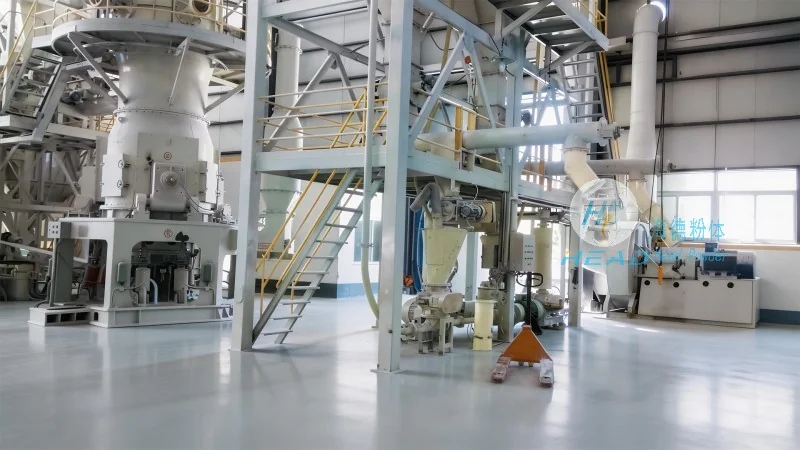
Considerations for System Selection and Installation
When selecting a pneumatic conveying system for methylcellulose, several factors must be considered to ensure optimal performance. The first is the material's physical properties, such as particle size distribution, bulk density, and moisture content. These factors influence the choice of system type (dilute-phase or dense-phase) and the required air velocity. The second consideration is the distance and layout of the facility, as the system design must accommodate the required conveying distance and any changes in elevation. The third factor is the required flow rate and capacity, which determines the size of the blower or compressor and the diameter of the conveying line. Proper installation is also critical, as improper alignment or fitting can lead to increased pressure drops and reduced system efficiency. It is essential to consult with experienced engineers to design a system that meets the specific needs of the application.
Conclusion
Methylcellulose material pneumatic conveying equipment is a reliable and efficient solution for handling fine powders in industrial settings. By understanding the design principles and key components of such systems, manufacturers can ensure optimal performance and minimize operational issues. The use of specialized components, such as non-stick hoppers and corrosion-resistant materials, helps maintain the quality of methylcellulose and prolong the lifespan of the equipment. As industries continue to rely on methylcellulose for various applications, the demand for advanced pneumatic conveying systems will likely increase, driving further innovation in material handling technology.