Understanding the mechanisms and features of molybdenum trioxide (MoO₃) pneumatic conveying systems is crucial for industries that handle this high-value chemical. This article delves into the technical aspects, operational principles, and key characteristics of such systems, providing insights that can enhance efficiency and safety in material handling processes.
Introduction to Molybdenum Trioxide Pneumatic Conveying
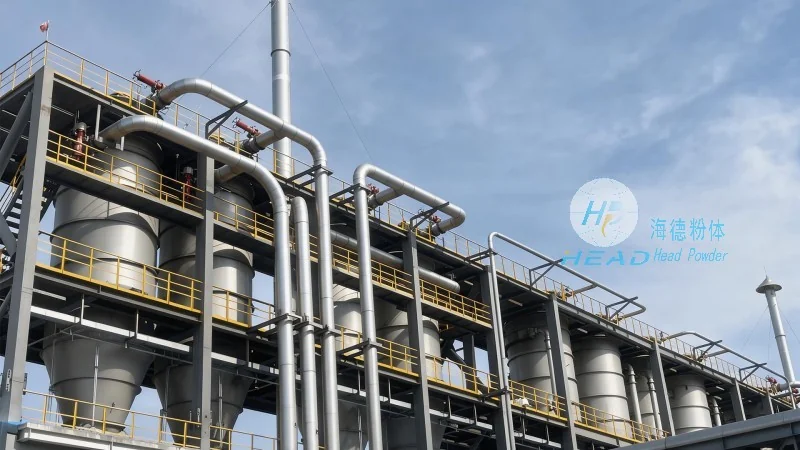
Molybdenum trioxide, a critical industrial chemical used in various applications including catalysts, pigments, and electronic components, requires specialized handling due to its properties. Pneumatic conveying systems offer an effective solution for transporting MoO₃ from storage to processing units, minimizing dust exposure and ensuring product integrity. The technology involves using air or other gases to move the material through pipelines, which is particularly beneficial for handling fine powders like MoO₃.
Working Principle of Molybdenum Trioxide Pneumatic Conveying
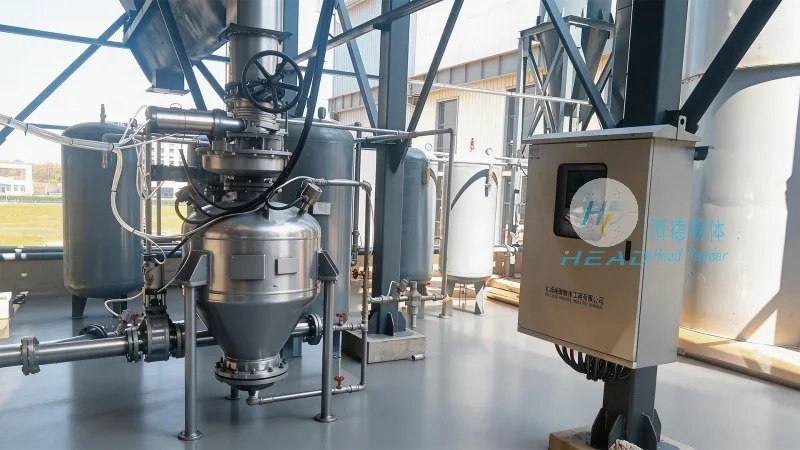
The core of molybdenum trioxide pneumatic conveying lies in the interaction between the material and the conveying medium. In a typical system, the MoO₃ powder is fed into a hopper or feeder, where it is then drawn into a pipeline by a vacuum or pressure source. The conveying medium, often compressed air or a combination of air and inert gases, creates a flow that suspends the particles and transports them to the destination. The process can be categorized into two main types: pressure and vacuum systems. Pressure systems use positive pressure to push the material through the line, while vacuum systems use negative pressure to pull it. For MoO₃, which is often sensitive to moisture and contamination, the choice of system and materials is critical to maintain product quality.
Key Characteristics of Molybdenum Trioxide Pneumatic Conveying Systems
Several distinct characteristics define the performance of MoO₃ pneumatic conveying systems, each tailored to the specific needs of the application. One of the primary advantages is the ability to handle fine powders without the need for mechanical components that could cause attrition or contamination. The systems are designed to minimize particle degradation, which is essential for maintaining the chemical's reactivity and purity. Additionally, the enclosed nature of the system reduces dust emissions, improving workplace safety and compliance with environmental regulations. Another characteristic is the flexibility in system design, allowing for integration with existing production lines or expansion as production scales up. The efficiency of the conveying process is also a key feature, with modern systems achieving high throughput while consuming minimal energy. This balance between performance and operational costs makes pneumatic conveying an attractive option for MoO₃ handling.
Technical Considerations for Molybdenum Trioxide Pneumatic Conveying
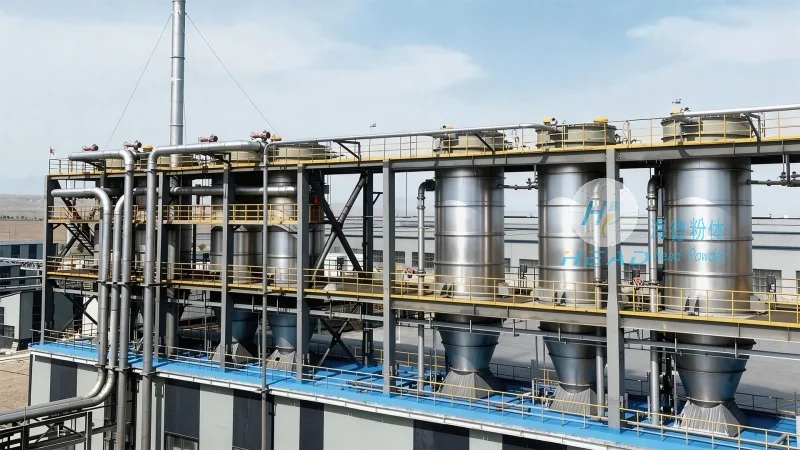
Implementing an effective molybdenum trioxide pneumatic conveying system requires careful consideration of several technical factors. Material properties, such as the particle size distribution, density, and moisture content of MoO₃, directly impact the system's design. For example, finer particles may require higher air velocities to maintain suspension, while larger particles might need different pipeline diameters and pressure settings. The choice of conveying medium is also critical; for MoO₃, which can be hygroscopic, using dry air or inert gases like nitrogen can prevent moisture absorption and subsequent caking or clumping. System components, including hoppers, feeders, pipelines, and receivers, must be constructed from materials that are compatible with MoO₃ to avoid chemical reactions or corrosion. For instance, stainless steel or specialized coatings are often used to prevent contamination and ensure longevity. The control systems, which regulate air flow, pressure, and material feed rates, must be precise to maintain consistent conveying performance. This level of control is essential for maintaining product quality and preventing system downtime.
Applications and Benefits in Industrial Settings
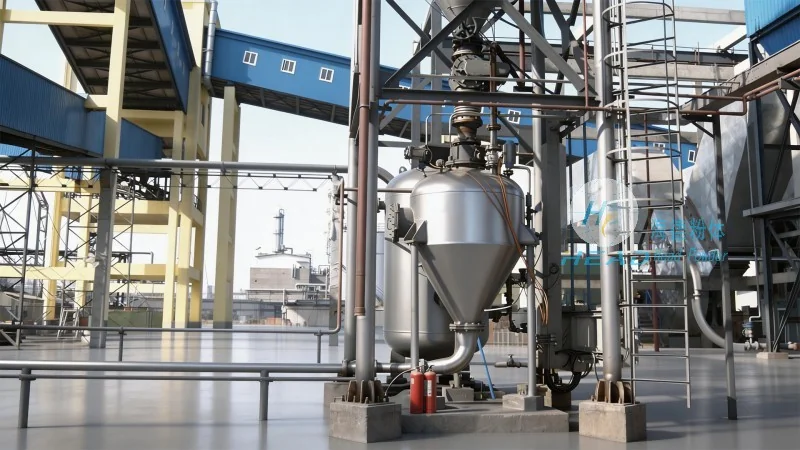
Molybdenum trioxide pneumatic conveying systems are widely used in various industrial applications where the chemical is processed or used as an intermediate. In the chemical industry, these systems are employed in the production of molybdenum compounds, where MoO₃ is transported from storage to reactors or mixing units. In the electronics industry, the material is used in the manufacturing of semiconductor components, and the conveying systems ensure that the powder is delivered to the production lines without contamination. The benefits of using such systems extend beyond material handling; they also contribute to overall operational efficiency. By reducing manual handling and dust exposure, the systems improve worker safety and reduce the risk of accidents. Additionally, the enclosed design minimizes environmental impact by containing dust and preventing emissions. The cost-effectiveness of pneumatic conveying, when compared to traditional methods like bucket elevators or belt conveyors, is another significant advantage. The ability to handle high volumes of MoO₃ at a lower operational cost makes it a preferred choice for many manufacturers.
Conclusion and Company Overview
In summary, molybdenum trioxide pneumatic conveying systems represent a sophisticated solution for handling this critical industrial chemical. The working principles, characterized by the use of air or gases to transport fine powders, combined with key characteristics such as enclosed operation and minimal particle degradation, make them an efficient and safe choice. Technical considerations, including material compatibility and precise control systems, are essential for optimizing performance and maintaining product quality. The applications in industries like chemicals and electronics highlight the versatility and importance of these systems. For businesses seeking reliable and effective solutions for MoO₃ handling, companies like Shandong HeadPowder Engineering Co., Ltd. offer expertise and customized systems that meet specific operational needs. With a focus on quality and innovation, HeadPowder provides comprehensive solutions that enhance productivity and safety in material handling processes.




