For industrial applications involving synthetic rubber, efficient material handling is crucial. Pneumatic conveying offers a reliable solution, and understanding its working principle and characteristics is essential for optimizing processes. This article explores the mechanisms behind synthetic rubber pneumatic conveying and highlights its key attributes.
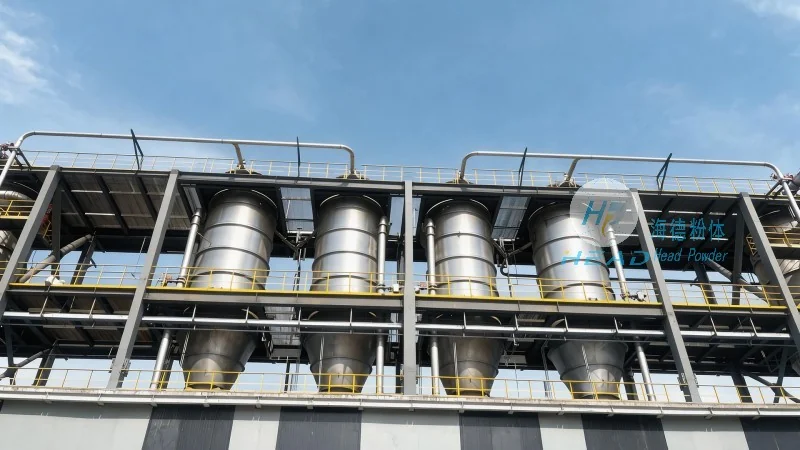
Working Principle of Synthetic Rubber Pneumatic Conveying Systems
Pneumatic conveying for synthetic rubber operates on the principle of transporting material using air or gas as the conveying medium. The system typically consists of a hopper, a conveyor line, and a receiver. The process begins with the synthetic rubber being fed into the hopper. A fan or blower generates a flow of air, which then draws the rubber particles into the conveyor line. As the air flows through the pipeline, it carries the rubber, moving it from the source to the destination. The velocity and pressure of the air are carefully controlled to ensure the material is transported without degradation or damage. The system may use either positive or negative pressure, depending on the specific requirements of the application. Positive pressure systems push the material through the line using compressed air, while negative pressure systems create a vacuum to pull the material in. For synthetic rubber, which can be sensitive to abrasion and temperature, the design of the conveying system is critical to maintain material integrity.
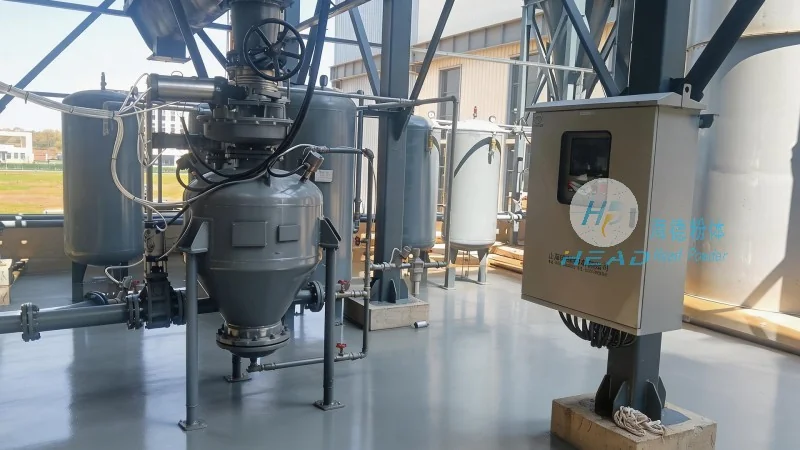
Key Components and Their Functions in the Synthetic Rubber Pneumatic Conveying System
Several components work together to ensure the smooth operation of a synthetic rubber pneumatic conveying system. The hopper serves as the storage and feeding unit, providing a consistent supply of material to the system. It is designed to minimize material bridging and ensure uniform flow. The conveyor line, usually made of materials such as stainless steel or special polymers, is the main pathway for the rubber particles. The choice of material for the pipeline is essential to prevent wear and tear from the abrasive nature of synthetic rubber. The fan or blower is the power source, generating the necessary air flow to move the material. It can be a centrifugal fan or a positive displacement blower, selected based on the system's pressure and flow requirements. The receiver is the final destination where the conveyed rubber is deposited. It is equipped with a dust collection system to prevent air leakage and maintain a clean environment. Additionally, filters and cyclones may be integrated into the system to separate any fine particles from the air stream, ensuring compliance with environmental regulations and maintaining the purity of the rubber.
Advantages and Features of Synthetic Rubber Pneumatic Conveying
Pneumatic conveying offers several advantages when handling synthetic rubber. One of the primary benefits is the ability to transport material in a closed system, which helps maintain hygiene and prevents contamination from external factors. This is particularly important for synthetic rubber used in manufacturing processes where purity is critical. The system also allows for flexible routing, as the conveyor line can be easily reconfigured to accommodate changes in production layout or workflow. This adaptability reduces downtime and increases operational efficiency. Another key feature is the gentle handling of the material. Unlike mechanical conveyors, which can cause abrasion and damage to the rubber particles, pneumatic systems use air to move the material, minimizing wear and preserving the material's quality. This is especially beneficial for synthetic rubber, which can be sensitive to mechanical stress. Furthermore, pneumatic conveying can handle a wide range of particle sizes and shapes, making it suitable for various types of synthetic rubber products. The system's ability to transport material vertically and horizontally with equal efficiency provides versatility in plant design. Finally, the energy efficiency of pneumatic systems, especially when using optimized air flow and pressure, can lead to cost savings over time, making it a cost-effective solution for long-term material handling needs.
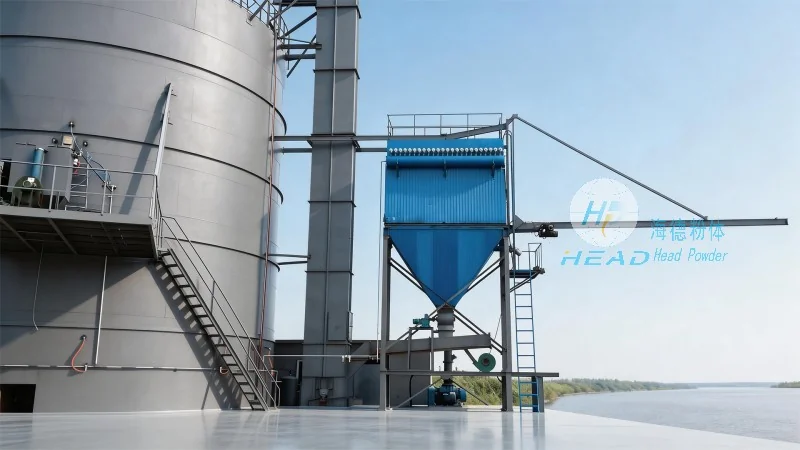
Application Scenarios and Operational Considerations
Synthetic rubber pneumatic conveying is widely used in various industrial applications. In the tire manufacturing industry, for example, it is used to transport raw rubber compounds from storage to processing equipment. The system ensures that the rubber is delivered in a controlled manner, maintaining the consistency of the material. In the production of rubber seals and gaskets, pneumatic conveying is employed to move the rubber granules to mixing and molding machines. The gentle handling of the material prevents degradation, which is crucial for maintaining the performance of the final products. Additionally, in the recycling industry, pneumatic systems are used to transport recycled synthetic rubber from collection points to processing facilities. This method allows for efficient recovery and reuse of the material, contributing to sustainability efforts. Operational considerations for synthetic rubber pneumatic conveying include maintaining proper air pressure and flow rates to avoid material blockages or excessive wear on components. Regular maintenance of the system, such as cleaning filters and checking fan performance, is essential to ensure long-term reliability. The system's design should also account for the specific properties of the synthetic rubber, such as its density and abrasiveness, to optimize performance and extend the lifespan of the equipment. By adhering to these considerations, manufacturers can maximize the efficiency and effectiveness of their pneumatic conveying systems.




