Phenolic resin, a type of thermosetting polymer, is widely used in various industrial applications due to its excellent mechanical properties, chemical resistance, and thermal stability. The efficient handling and transportation of phenolic resin powders are crucial for industrial processes, and pneumatic conveying systems have emerged as a reliable solution. This article explores the working principle and key characteristics of phenolic resin pneumatic conveying, providing insights into its operational mechanisms and practical advantages.
Working Principle of Phenolic Resin Pneumatic Conveying
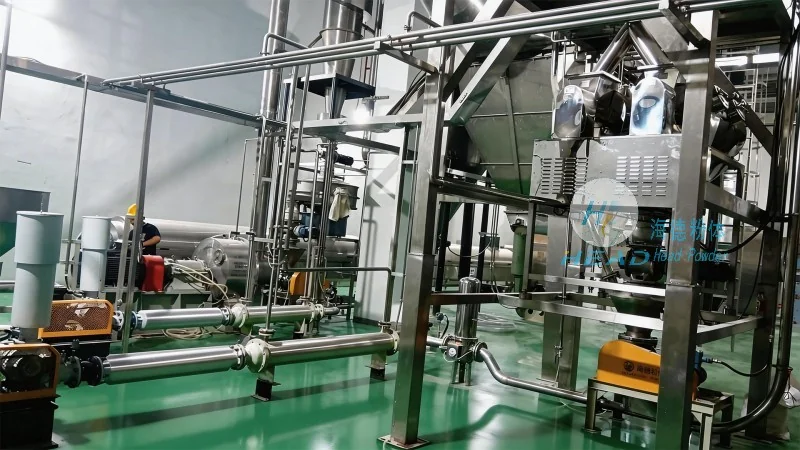
The core of phenolic resin pneumatic conveying lies in the use of air or gas as the conveying medium to transport solid particles. The process typically involves several key components and steps. First, the phenolic resin powder is fed into a hopper or feeder, which controls the material flow rate. Then, a blower or compressor generates the necessary air pressure to create a flow of air through the conveying line. As the air moves through the pipeline, it picks up the resin particles, forming a suspension that is transported to the destination point. The system may include cyclones or filters to separate the resin from the air at the receiving end, ensuring the material is deposited accurately and the air is cleaned before release.
Key Characteristics of Phenolic Resin Pneumatic Conveying
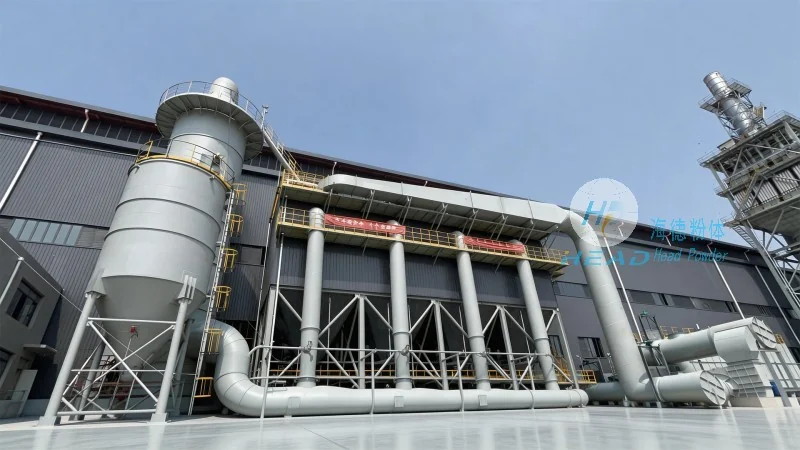
Phenolic resin pneumatic conveying systems exhibit several distinct characteristics that make them suitable for handling this specific material. One of the primary advantages is the ability to transport powders over long distances without the need for mechanical components like belts or buckets, reducing maintenance and operational costs. The system is also highly flexible, allowing for changes in the conveying route or capacity with minimal modifications. Additionally, pneumatic conveying can handle abrasive or corrosive materials like phenolic resin, as the air flow protects the pipeline from direct contact with the particles. Another notable characteristic is the ability to control the flow rate precisely, which is essential for maintaining consistent material delivery in production lines. The system also offers good dust control, as the enclosed pipeline prevents dust from dispersing into the environment, enhancing workplace safety and compliance with environmental regulations.
Applications and Benefits in Industrial Settings
Phenolic resin pneumatic conveying is widely applied in industries such as automotive, aerospace, and electronics, where high-quality resin is required for manufacturing components. The benefits of using this system include improved material handling efficiency, reduced labor costs, and enhanced product quality due to the controlled and clean conveying process. The system's ability to handle fine powders without clogging or degradation is particularly valuable for phenolic resin, which can be sensitive to moisture and air exposure. Furthermore, the enclosed design of the conveying line minimizes the risk of contamination, ensuring that the resin remains in its optimal condition throughout the transportation process.
Conclusion and Company Information
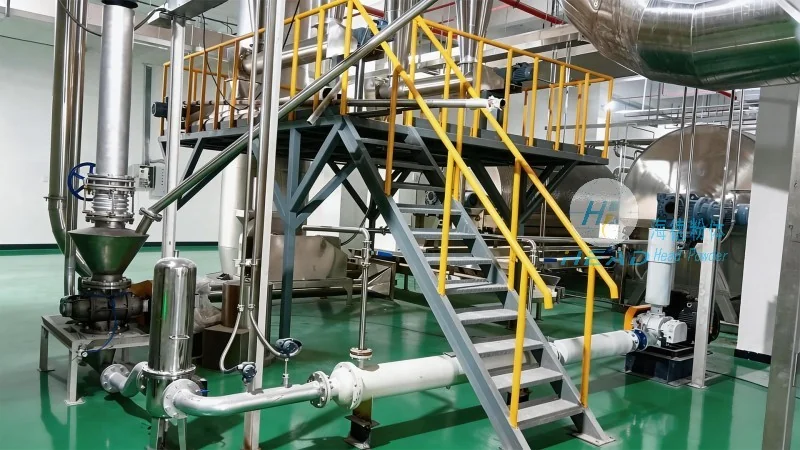
Phenolic resin pneumatic conveying is a sophisticated and efficient method for transporting this important industrial material. By understanding its working principle and characteristics, industries can optimize their material handling processes and improve overall operational performance. For companies seeking reliable solutions for phenolic resin transportation, Shandong HeadPowder Engineering Co., Ltd. (headpowder) offers advanced pneumatic conveying systems tailored to specific application needs. With its expertise in engineering and manufacturing, headpowder provides high-quality equipment that ensures safe, efficient, and cost-effective phenolic resin handling. Located in Shandong, China, headpowder is committed to delivering innovative solutions that meet the evolving demands of modern industrial applications.




