Titanium dioxide (TiO₂) is a crucial white pigment widely used in various industries, including paints, coatings, plastics, and cosmetics. The efficient and reliable handling of TiO₂ powder is essential for maintaining product quality and ensuring smooth production processes. This article explores the working principle and key features of specialized equipment designed for transporting and managing titanium dioxide powder, highlighting the technological advancements and operational advantages that make such systems indispensable in modern industrial applications.
Working Principle of Titanium Dioxide Powder Handling Equipment
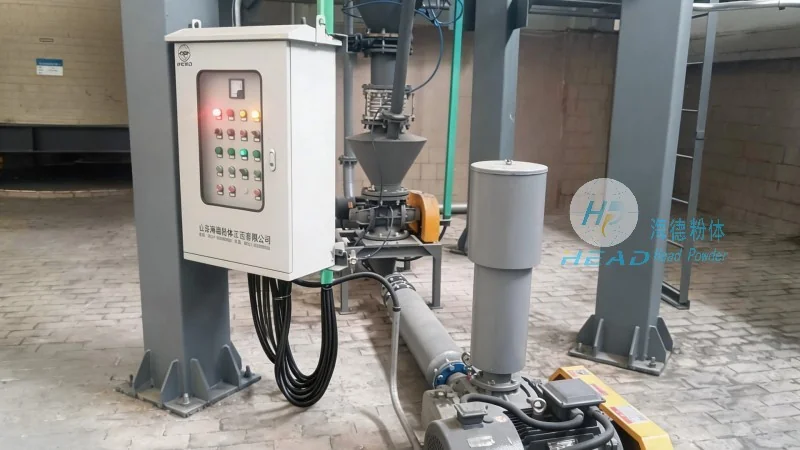
The core of titanium dioxide powder handling equipment lies in its ability to transport fine powders like TiO₂ with minimal loss and contamination. These systems typically operate on principles of pneumatic conveying, which uses compressed air or other gases to move the powder through a network of pipes and ducts. The process involves several key components and steps that ensure efficient material transfer:
First, the powder is collected from storage silos or hoppers and fed into a hopper or feeder. The feeder, often a rotary valve or a screw conveyor, controls the flow rate of the powder, preventing overloading and ensuring a consistent feed. This step is critical for maintaining the integrity of the TiO₂ particles, as excessive pressure or flow can cause agglomeration or degradation of the powder.
Next, the powder is introduced into the conveying line, where it is mixed with the conveying medium (usually air). The air velocity is carefully controlled to achieve a specific gas-to-solid ratio, which determines the conveying velocity and the pressure drop along the pipeline. The equipment uses a combination of positive and negative pressure systems, such as pressure or vacuum conveying, depending on the application and the distance the powder needs to travel.
During the conveying process, the powder is kept in suspension by the airflow, preventing it from settling or sticking to the pipe walls. This is achieved through the use of special fittings, such as bends, elbows, and pulse jets, which maintain the flow of the powder-air mixture. The system also includes filters and cyclones to separate the powder from the air at the discharge point, ensuring that the TiO₂ is collected efficiently and without contamination.
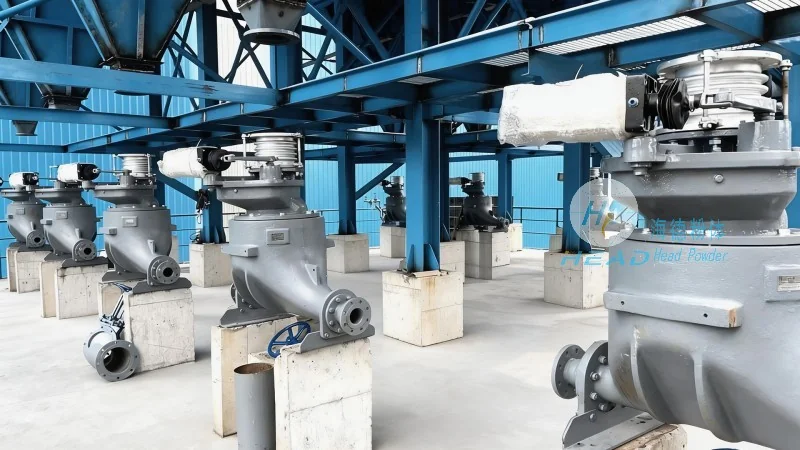
The control system of the equipment monitors various parameters, including pressure, flow rate, and temperature, to optimize the conveying process. Sensors and controllers adjust the air pressure and flow rate in real-time, ensuring that the system operates at peak efficiency and prevents any potential blockages or overloads. This automated control enhances the reliability and consistency of the powder handling process, which is vital for maintaining the quality of TiO₂ products.
Key Features of Titanium Dioxide Powder Handling Equipment
Modern titanium dioxide powder handling equipment is designed with several advanced features that address the unique challenges of handling fine, abrasive powders. These features enhance the performance, safety, and longevity of the system, making it suitable for high-volume industrial applications:
1. Low-Pressure Pneumatic Conveying: Many systems utilize low-pressure pneumatic conveying, which operates at lower air pressures (typically 0.5 to 2 bar) compared to high-pressure systems. This reduces energy consumption and equipment wear, making it more cost-effective and environmentally friendly. The low-pressure design also minimizes the risk of particle degradation and ensures a gentler handling of the TiO₂ powder.
2. Self-Cleaning and Anti-Agglomeration Design: The equipment incorporates features to prevent powder agglomeration and blockages. For example, the use of pulse jets or air knives in the pipeline can dislodge any particles that may stick to the walls, ensuring smooth flow. Additionally, the design of the hopper and feeder includes anti-static and anti-adhesion coatings to prevent the TiO₂ particles from adhering to the surfaces, which is crucial for maintaining the powder's quality and preventing clogging.
3. Advanced Material Handling Components: The system includes high-quality components such as rotary valves, screw feeders, and flexible hoses that are specifically designed for handling abrasive and fine powders. These components are made from materials like stainless steel or special alloys that resist corrosion and wear, ensuring long service life and minimal maintenance. The use of wear-resistant linings and seals further enhances the durability of the equipment.
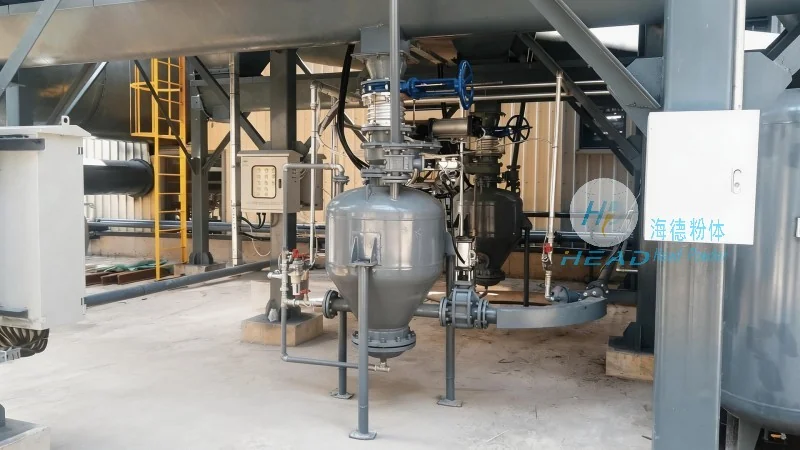
4. Integrated Dust Control and Filtration: To comply with environmental regulations and ensure workplace safety, the equipment is equipped with efficient dust collection systems. Cyclones and bag filters are commonly used to separate the TiO₂ powder from the air, capturing fine particles and preventing their release into the environment. The filtration system is designed to meet stringent emission standards, ensuring that the operation is both safe and compliant.
5. Modular and Scalable Design: Modern powder handling systems are often modular, allowing for easy expansion or reconfiguration as production needs change. This flexibility enables manufacturers to adapt the equipment to different production volumes and processes without significant modifications. The modular design also simplifies maintenance and repair, as individual components can be replaced or upgraded without disrupting the entire system.
Operational Advantages and Applications
The use of specialized titanium dioxide powder handling equipment offers several operational advantages that contribute to improved productivity and product quality. These advantages are particularly important in industries where the purity and consistency of TiO₂ are critical:
First, the equipment ensures minimal product loss and contamination during transportation. By maintaining the powder in suspension and using efficient filtration systems, the system reduces the amount of TiO₂ that is lost or mixed with air, which is essential for maintaining the high purity standards required in applications such as cosmetics and pharmaceuticals.
Second, the automated control and monitoring features of the equipment enhance process reliability. Real-time data on pressure, flow, and temperature allow operators to quickly identify and address any issues, preventing downtime and ensuring consistent product quality. This level of control is particularly valuable in high-speed production lines where any disruption can lead to significant losses.
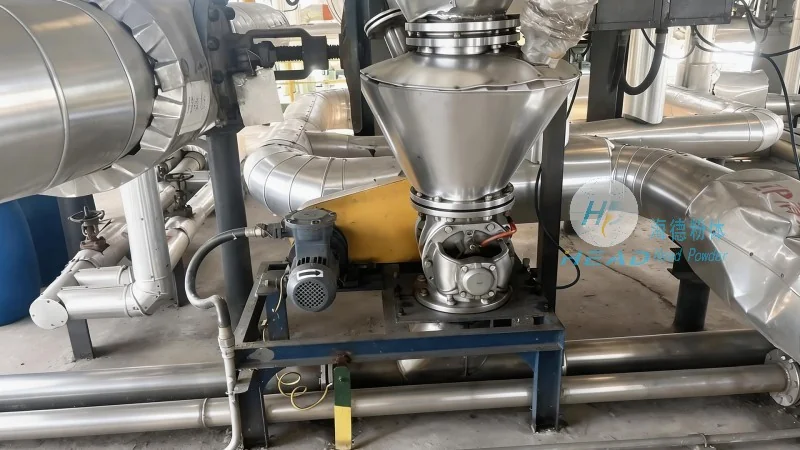
Third, the equipment is designed to handle large volumes of TiO₂ efficiently. The use of high-capacity feeders and conveying lines allows for continuous operation, reducing the need for manual intervention and increasing overall productivity. This is especially beneficial in large-scale manufacturing facilities where the demand for TiO₂ is high.
These advantages make titanium dioxide powder handling equipment essential for a wide range of applications, including the production of pigments, coatings, plastics, and specialty chemicals. The equipment is also used in research and development laboratories to handle small quantities of TiO₂ for testing and analysis, ensuring that the material is handled with the same care and precision as in industrial settings.
Conclusion
Titanium dioxide powder handling equipment plays a vital role in the efficient and reliable production of high-quality TiO₂ products. By understanding the working principles and key features of these systems, manufacturers can optimize their operations, reduce costs, and maintain the integrity of their products. The advancements in pneumatic conveying technology and material handling components have made modern equipment more efficient, durable, and environmentally friendly, making it an indispensable part of modern industrial processes.
For companies involved in the production or handling of titanium dioxide, investing in high-quality powder handling equipment is a strategic decision that can lead to improved productivity, product quality, and compliance with industry standards. The expertise and experience of manufacturers like Shandong HeadPowder Engineering Co., Ltd. in designing and manufacturing such systems ensure that clients receive equipment tailored to their specific needs, providing long-term value and reliability.




