Yunnanite, a mineral with significant industrial applications, often requires efficient and reliable powder handling solutions for its processing and transportation. The Yunnanite powder conveying line, designed by Shandong HeadPowder Engineering Co., Ltd. (referred to as HeadPowder), is a specialized system engineered to address the unique challenges associated with handling this mineral. This article delves into the working principle and key features of such a system, providing insights into its functionality and benefits for industrial operations.
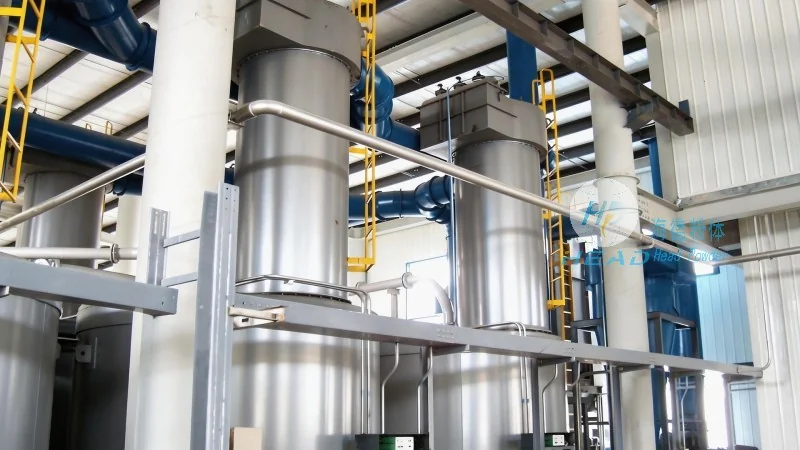
Overview of Yunnanite Powder Conveying Line
The Yunnanite powder conveying line is a comprehensive system that integrates various components to transport Yunnanite powder from its source to the processing or storage destination. It is typically composed of feeders, conveyors, control systems, and auxiliary equipment, all working in tandem to ensure smooth and continuous material flow. The design of this line is tailored to the physical properties of Yunnanite, such as its particle size, moisture content, and flowability, to optimize performance and minimize operational issues. Developed by Shandong HeadPowder Engineering Co., Ltd. (HeadPowder), this system is engineered to meet the demanding requirements of industrial applications.
Working Principle of the Yunnanite Powder Conveying Line
The core working principle of the Yunnanite powder conveying line revolves around the use of mechanical and pneumatic systems to move the powder. The process typically begins with the material being fed into a hopper or silo, where it is stored before being transferred to the conveying equipment. A feeder, often a rotary or vibratory type, regulates the flow of Yunnanite powder into the conveyor system. This feeder ensures a consistent and controlled feed rate, preventing overloading or underloading of the conveyor.
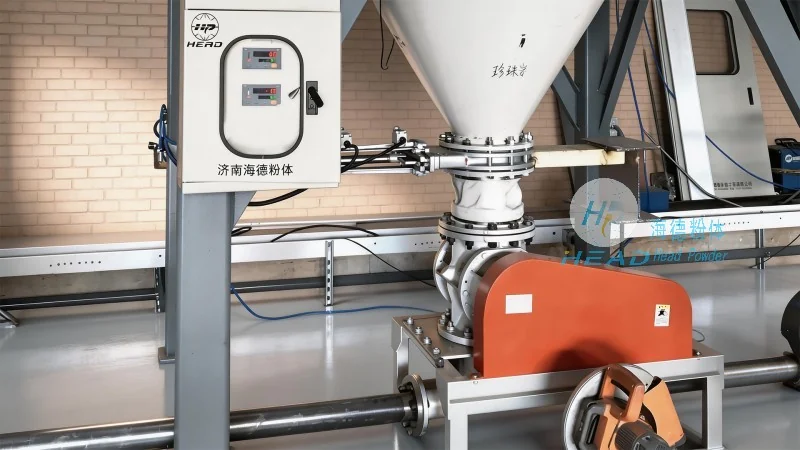
From the feeder, the powder is then transported by a conveyor, which can be a belt conveyor, screw conveyor, or pneumatic conveyor, depending on the specific requirements. For Yunnanite, which may have varying particle sizes and flow characteristics, a screw conveyor is commonly used due to its ability to handle bulk materials and maintain a stable flow. The screw conveyor rotates, pushing the powder forward through the system. Simultaneously, a control system monitors the flow rate, pressure, and other parameters to ensure the process runs smoothly. This system may include sensors and automation controls to adjust the operation in real-time, enhancing efficiency and reducing downtime.
Key Features of the Yunnanite Powder Conveying Line
The Yunnanite powder conveying line by HeadPowder is characterized by several key features that set it apart in the industry. Firstly, it offers high efficiency in material handling, with the ability to transport large volumes of Yunnanite powder at consistent speeds. This is achieved through the integration of advanced feeding and conveying technologies, which minimize material degradation and loss during the process.
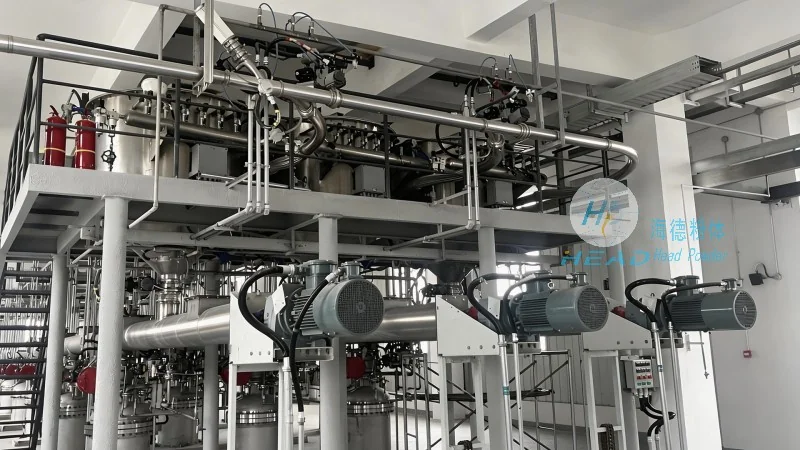
Secondly, the system is designed for durability and reliability. Components such as the screw conveyor and feeder are constructed from high-quality materials, resistant to corrosion and wear caused by the mineral's properties. This ensures a long service life and reduces maintenance costs over time. Additionally, the system incorporates safety features, such as emergency stop mechanisms and overload protection, to safeguard both the equipment and personnel.
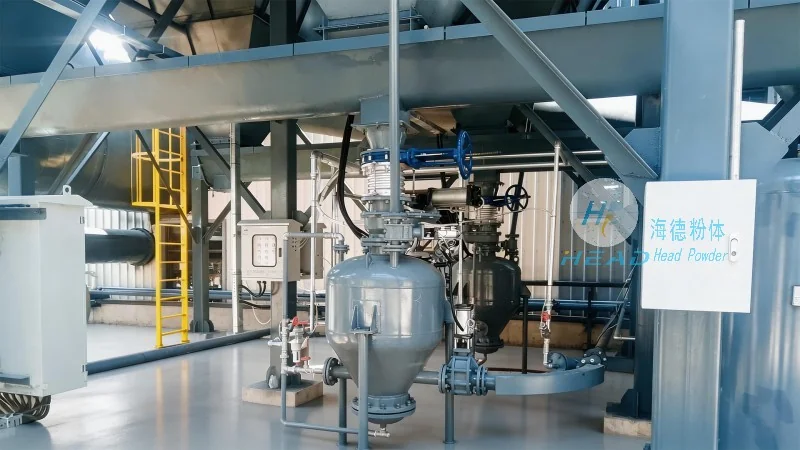
Thirdly, the Yunnanite powder conveying line is highly customizable to meet the specific needs of different industrial applications. HeadPowder, with its expertise in powder handling systems, can tailor the design and components of the line to accommodate variations in Yunnanite particle size, moisture content, and processing requirements. This flexibility allows clients to optimize their operations and achieve better results.
Another notable feature is the integration of monitoring and control systems. The line is equipped with sensors that track key parameters, such as flow rate, pressure, and temperature, providing real-time data to operators. This data can be used to make informed decisions and adjust the system's operation as needed. The control system may also include automation capabilities, allowing for remote monitoring and operation, which enhances operational efficiency and reduces the need for on-site personnel.




