When it comes to the efficient and safe transport of glycine, a critical amino acid widely used in pharmaceuticals, food additives, and chemical industries, the design and implementation of specialized material handling systems play a pivotal role. This article delves into the working principle and key features of glycine material handling, providing insights into how these systems optimize the flow of this essential chemical while ensuring compliance with industry standards.
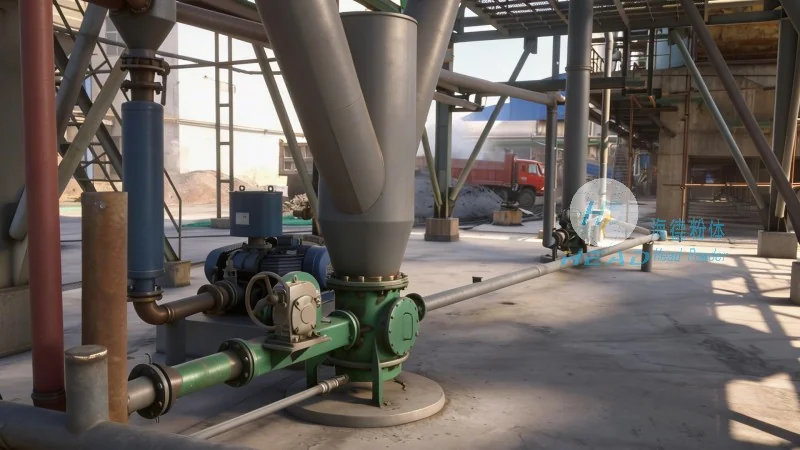
Glycine Material Handling: An Overview
Glycine, also known as aminoacetic acid, is a simple amino acid with the chemical formula C2H5NO2. Its versatility in various industrial applications makes it a high-demand product, necessitating robust material handling solutions to manage its transport from production sites to end-users. The systems designed for glycine material handling are engineered to address the unique properties of this chemical, including its hygroscopic nature and sensitivity to moisture and temperature fluctuations. Companies like Shandong HeadPowder Engineering Co., Ltd., based in China, specialize in developing such advanced material handling solutions to meet the evolving needs of the glycine industry.
The Working Principle of Glycine Material Handling Systems
At the core of glycine material handling systems is a combination of advanced equipment and intelligent control mechanisms. These systems typically operate on a modular design, integrating components such as bulk storage silos, conveyor belts, pneumatic conveying pipelines, and automated weighing and dispensing units. The process begins with the storage of raw glycine in large silos, where it is kept under controlled conditions to prevent caking or degradation. From the silos, the material is transferred to conveyor belts or pneumatic lines, which transport it to processing or packaging stations.
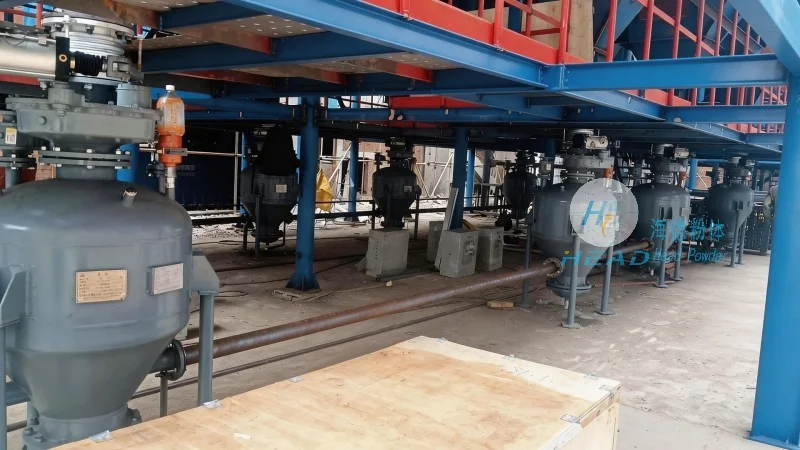
Pneumatic conveying, in particular, is a common method for glycine material handling due to its ability to handle fine powders without the need for mechanical contact. This technique uses air pressure to move the material through pipelines, ensuring minimal product degradation and contamination. The system includes components like rotary valves, airlocks, and filters to maintain a clean and efficient flow. Additionally, automated control systems monitor parameters such as pressure, flow rate, and temperature, adjusting operations in real-time to optimize performance and prevent issues like blockages or overfilling.
Key Features of Glycine Material Handling Systems
The features of glycine material handling systems are tailored to meet the specific requirements of the glycine industry, emphasizing efficiency, safety, and product integrity. One of the primary features is the use of stainless steel and food-grade materials in construction, which prevents corrosion and ensures compliance with hygiene standards. This is crucial for maintaining the purity of glycine, especially in pharmaceutical and food applications.
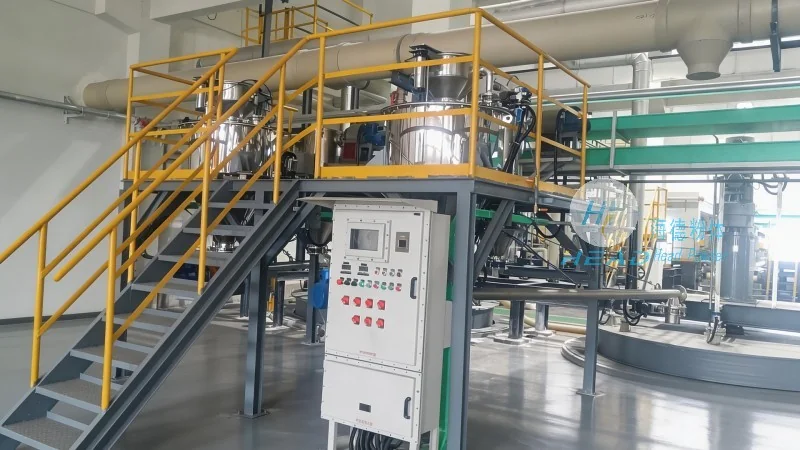
Another notable feature is the integration of advanced monitoring and control technologies. Modern systems employ sensors and data loggers to track the movement of material, detect anomalies, and provide real-time data for process optimization. This not only enhances operational efficiency but also facilitates predictive maintenance, reducing downtime and maintenance costs. The systems also incorporate safety features such as emergency stop buttons, overpressure relief valves, and dust suppression mechanisms to protect both personnel and equipment.
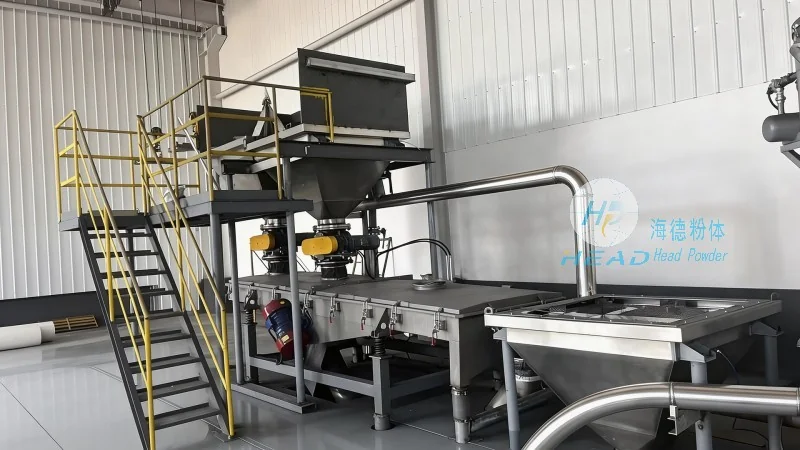
Efficiency is a critical feature, with systems designed to minimize material loss and maximize throughput. The use of high-capacity conveyor belts and optimized pneumatic conveying networks ensures that glycine is moved quickly and reliably from storage to processing or packaging. Additionally, automated weighing and dispensing units allow for precise dosing, reducing waste and improving product consistency. These features collectively contribute to a streamlined workflow that meets the demands of high-volume production.
Conclusion
Glycine material handling systems, as exemplified by those developed by Shandong HeadPowder Engineering Co., Ltd. based in China, represent a sophisticated solution for the transport of this vital amino acid. By integrating advanced technology, robust design, and safety considerations, these systems ensure the efficient and safe movement of glycine while maintaining its quality and purity. The working principle and features discussed highlight the importance of specialized equipment in meeting the challenges of glycine material handling, making them indispensable in modern industrial operations.




