Working Principle and Characteristics of Pneumatic Conveying for Lithium-Ion Battery Nanomaterials
Release time:2026-09-18 07:01:29
name of the company:Shandong Headpowder Engineering Co., Ltd.
telephone:156-6277-7102
contacts:Zhang manager
Efficient material handling is a critical component in the production of lithium-ion batteries, particularly when dealing with nanomaterials that are often sensitive and require precise control during processing. Pneumatic conveying systems have emerged as a key technology for transporting these materials safely and effectively. This article explores the working principle and distinctive features of pneumatic conveying for lithium-ion battery nanomaterials, highlighting how such systems enhance operational efficiency and product quality in the battery manufacturing industry.
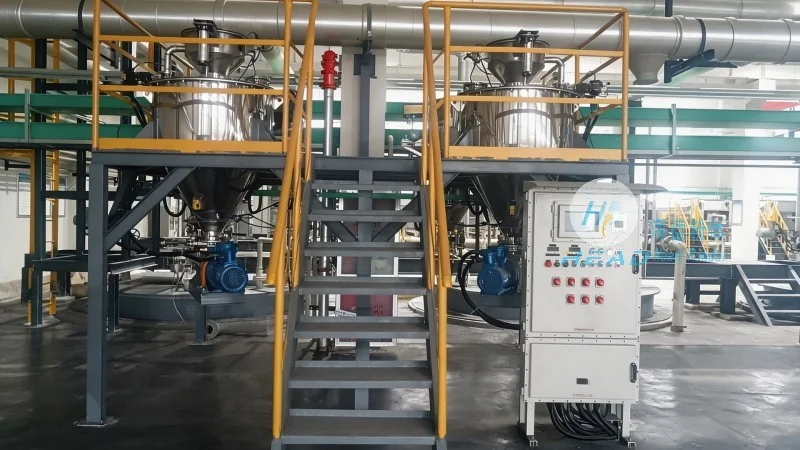
Working Principle of Pneumatic Conveying for Lithium-Ion Battery Nanomaterials
Pneumatic conveying operates by using air or gas to transport bulk materials through a pipeline system. In the context of lithium-ion battery nanomaterials, the process typically involves several key steps. First, the nanomaterials are introduced into a hopper or feeder, where they are then drawn into a conveying line by a vacuum or pressure source. The material is then carried through the pipeline by the moving air stream, which can be either positive pressure (where air is blown into the line) or negative pressure (where air is drawn out of the line). The choice between these methods depends on factors such as material properties, system design, and the required conveying distance. As the material travels through the pipeline, it is suspended and transported to the destination point, such as a mixing tank, storage silo, or processing unit. The system may also include components like cyclones or filters to separate the material from the air stream and ensure clean, dust-free transport. This method allows for a continuous, closed-loop operation that minimizes contamination and optimizes material flow.
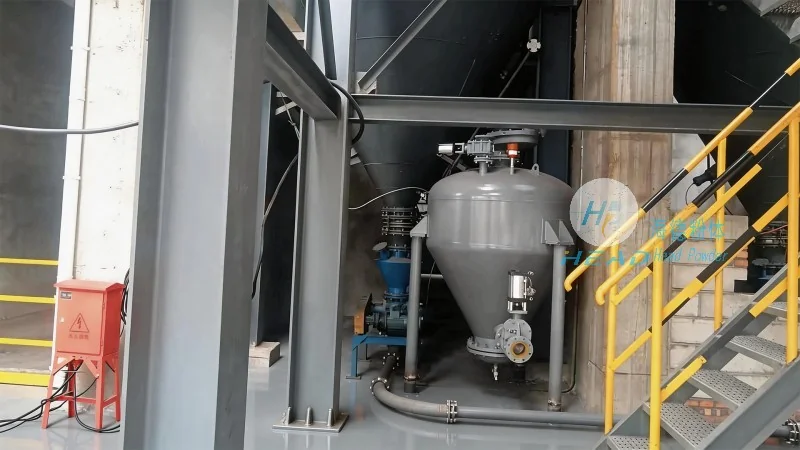
Key Characteristics and Advantages of Pneumatic Conveying for Lithium-Ion Battery Nanomaterials
The application of pneumatic conveying in lithium-ion battery nanomaterial processing offers several notable characteristics and advantages. One of the primary benefits is the ability to handle sensitive nanomaterials without causing agglomeration or degradation. Unlike mechanical conveying methods, which may involve physical contact that can damage or alter the material's properties, pneumatic systems provide a gentle, non-contact transport. This is crucial for maintaining the purity and performance of the nanomaterials, which are often used as active ingredients in battery electrodes. Additionally, pneumatic conveying systems offer high flexibility in terms of layout and integration with existing production lines. They can be easily adapted to different plant configurations and can transport materials over long distances with minimal energy consumption compared to other bulk handling methods. The closed system design also enhances safety by containing dust and preventing exposure to workers, which is particularly important when handling potentially hazardous nanomaterials. Furthermore, the technology allows for precise control over material flow rates and pressure, enabling manufacturers to optimize production processes and reduce waste. These characteristics make pneumatic conveying an ideal solution for the demanding requirements of lithium-ion battery manufacturing, where consistency and quality are paramount.
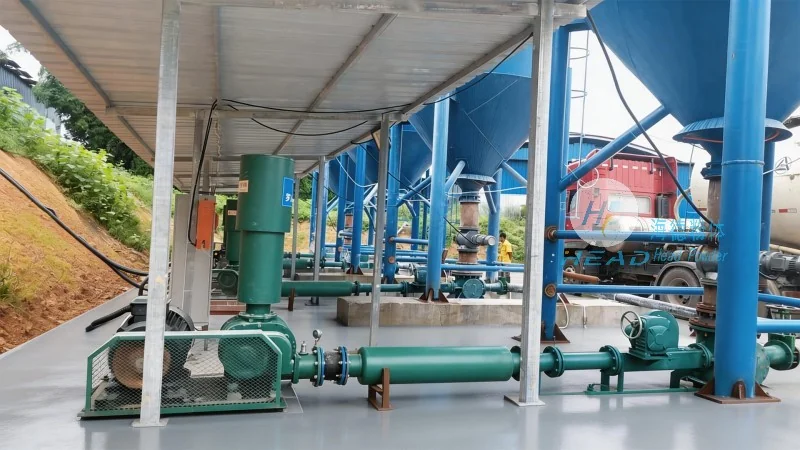
About Shandong HeadPowder Engineering Co., Ltd.
Shandong HeadPowder Engineering Co., Ltd., commonly known as HeadPowder, is a leading provider of advanced material handling solutions tailored for the battery and nanomaterial industries. With a focus on innovation and precision, the company specializes in designing and manufacturing pneumatic conveying systems that meet the specific needs of lithium-ion battery manufacturers. HeadPowder's headquarters is located in Shandong, China, where the company leverages local expertise and resources to deliver high-quality engineering services and products. The company's commitment to quality and customer satisfaction has established it as a trusted partner in the battery manufacturing sector, helping clients enhance operational efficiency and product performance through advanced material handling technologies.




