Understanding the principles and working characteristics of gypsum material conveying is crucial for optimizing industrial processes in various sectors. This article explores the fundamental mechanisms behind the transportation of gypsum, a widely used material in construction and manufacturing, and highlights the specific scenarios where such systems are most effectively applied. The insights provided are tailored to assist professionals in selecting and implementing appropriate conveying solutions for their operational needs.
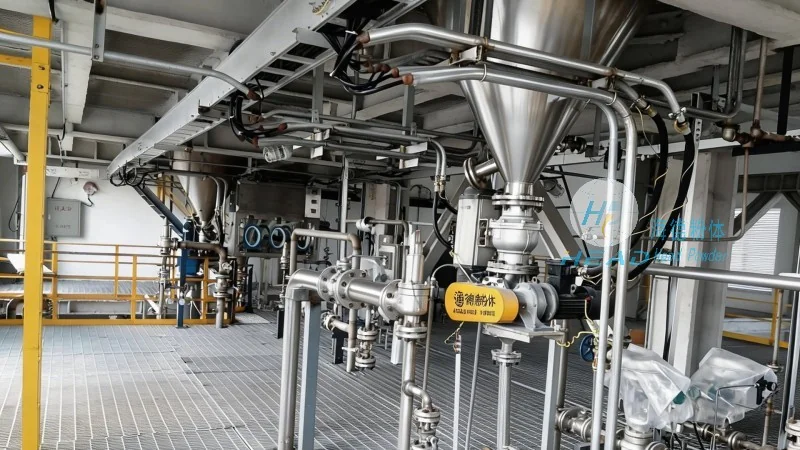
Gypsum Material Overview and Its Industrial Significance
Gypsum, a naturally occurring mineral composed primarily of calcium sulfate dihydrate (CaSO₄·2H₂O), is a versatile material with applications ranging from drywall production to agricultural soil amendment. Its unique properties, such as good workability and fire resistance, make it indispensable in modern construction and industrial applications. The efficient handling and transportation of gypsum are critical to maintaining productivity and ensuring product quality. This section provides a brief overview of gypsum's characteristics and its role in industrial processes.
The Core Principles of Gypsum Material Conveying
The process of gypsum material conveying involves the movement of bulk material from one location to another, typically within industrial facilities. Several key principles govern this operation, including the selection of appropriate equipment, the management of material flow, and the maintenance of system efficiency. The primary goal is to ensure that gypsum is transported safely, reliably, and in compliance with operational standards. The following aspects are central to the effective conveyance of gypsum:
1. **Equipment Selection**: The choice of conveying equipment depends on factors such as material characteristics, distance, and throughput requirements. Common systems include belt conveyors, screw conveyors, and pneumatic conveying systems. For gypsum, which can be dusty and abrasive, equipment with appropriate sealing and wear-resistant components is essential to prevent material degradation and system downtime.
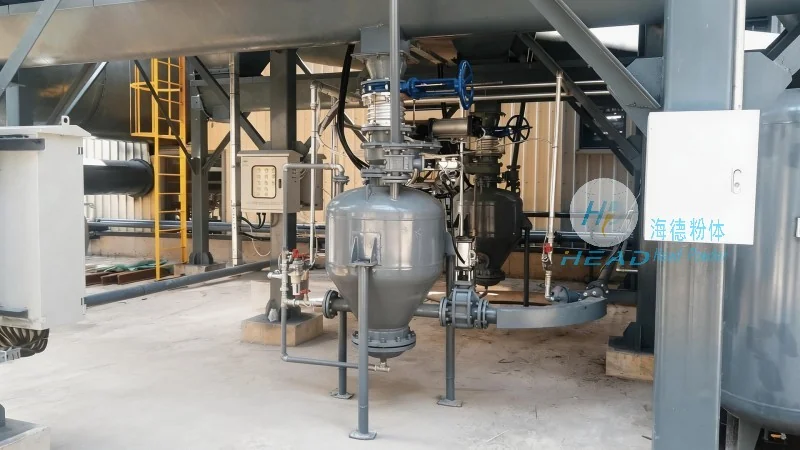
2. **Material Flow Management**: Proper control of material flow is vital to avoid blockages and ensure consistent throughput. This involves the use of feeders, hoppers, and control valves to regulate the rate at which gypsum is introduced into the conveying system. Effective flow management also helps in maintaining the integrity of the material, preventing clumping or agglomeration that could impede the process.
3. **System Integration and Automation**: Modern conveying systems often integrate with other industrial processes, such as grinding or packaging, to form a seamless production line. Automation plays a crucial role in optimizing these processes, reducing human intervention, and enhancing overall efficiency. Sensors and control systems are used to monitor key parameters, such as pressure, temperature, and material level, ensuring that the conveying operation runs smoothly.
Key Working Scene Characteristics of Gypsum Conveying Systems
The effectiveness of gypsum material conveying is highly dependent on the specific working environment and operational conditions. Different industries and applications present unique challenges and requirements that influence the design and implementation of conveying systems. The following characteristics are commonly observed in various working scenarios:
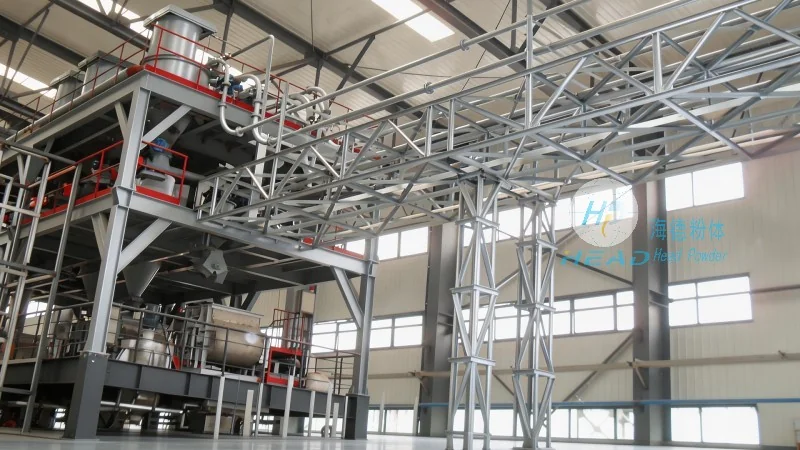
1. **Construction and Building Materials Industry**: In this sector, gypsum is primarily used for producing drywall and plaster products. The conveying systems are often integrated into large-scale production lines where raw gypsum is transported from storage silos to grinding mills and then to packaging units. The systems must handle large volumes of material and maintain high levels of cleanliness to meet quality standards for building materials.
2. **Agricultural and Fertilizer Production**: Gypsum is also utilized as a soil amendment in agriculture, improving soil structure and nutrient availability. Conveying systems in this context typically handle bulk quantities of gypsum from storage facilities to mixing and application equipment. The systems need to be robust and capable of handling wet or damp material, as gypsum may be stored in outdoor or semi-outdoor conditions.
3. **Industrial Processing and Manufacturing**: In other industrial applications, such as chemical processing or manufacturing of gypsum-based products, the conveying systems may be part of more complex production workflows. These systems often require precise control over material flow to ensure consistent product quality. The working environment may involve high temperatures or corrosive substances, necessitating specialized equipment designed to withstand such conditions.
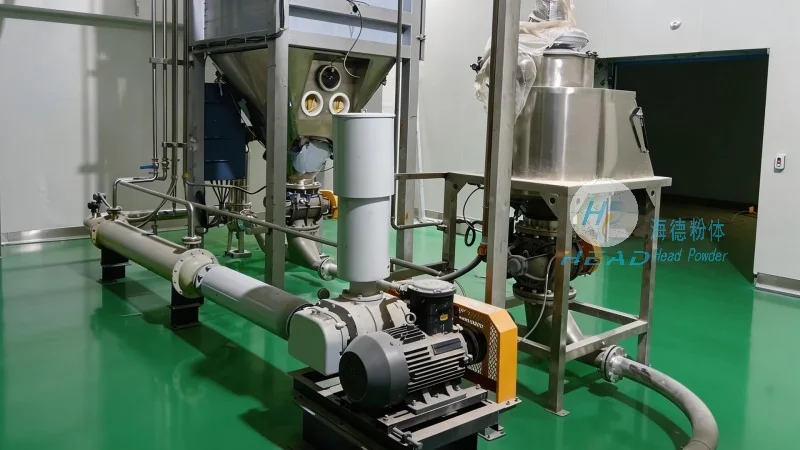
Company Profile: Shandong HeadPowder Engineering Co., Ltd.
Shandong HeadPowder Engineering Co., Ltd., commonly known as HeadPowder, is a leading provider of engineering solutions for material handling and conveying systems. With a strong focus on innovation and customer-centric approaches, HeadPowder specializes in designing and manufacturing customized conveying solutions tailored to the unique needs of its clients. The company's expertise spans a wide range of industries, including construction, agriculture, and industrial manufacturing.
HeadPowder's commitment to quality and reliability is reflected in its state-of-the-art manufacturing facilities and rigorous quality control processes. The company employs a team of experienced engineers and technicians who work closely with clients to understand their operational challenges and develop effective solutions. By leveraging advanced technology and industry best practices, HeadPowder ensures that its conveying systems meet the highest standards of performance and durability.
Address and Contact Information
HeadPowder is headquartered in Shandong, China, with a dedicated facility equipped to handle the design, production, and testing of gypsum material conveying systems. The company's location in Shandong provides easy access to key markets and enables efficient logistics for delivering customized solutions to clients worldwide.




