Understanding the mechanisms and practical applications of nitrogen-protected material handling systems is crucial for industries that require precise control over material integrity during transport and storage. These systems leverage the inert properties of nitrogen gas to create a protective environment, preventing oxidation, contamination, and other forms of degradation that can compromise product quality.
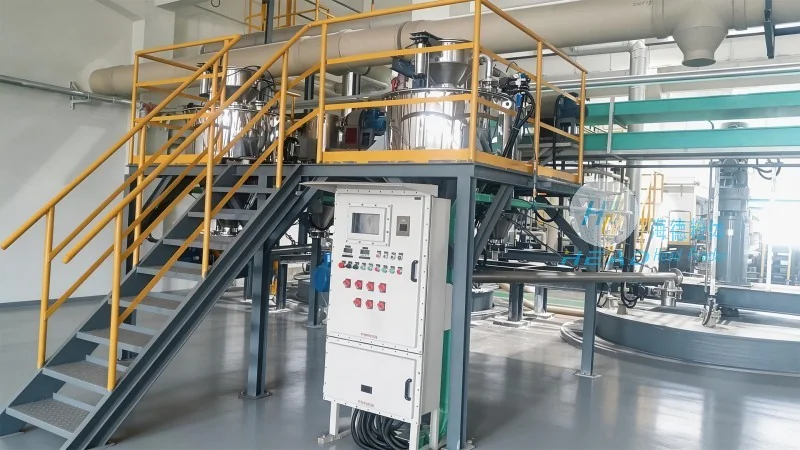
Core Principles of Nitrogen Protection in Material Handling
The fundamental principle behind nitrogen-protected material handling is the replacement of oxygen-rich ambient air with nitrogen, a gas that does not support combustion or chemical reactions under normal conditions. By maintaining a low-oxygen or oxygen-free atmosphere within the system, the risk of oxidation, rusting, or spoilage is significantly reduced. This approach is particularly effective for materials sensitive to moisture, temperature changes, or chemical exposure. The system typically involves nitrogen generation, storage, and distribution through pipelines or flexible hoses, ensuring a continuous supply of dry, high-purity nitrogen to the material handling equipment.
Typical Working Scene Characteristics
Nitrogen-protected material handling systems are widely deployed across diverse industrial sectors, each with unique operational characteristics that dictate system design and implementation. In the food and beverage industry, for instance, these systems are used to preserve the freshness of grains, cereals, and other dry ingredients by preventing moisture absorption and microbial growth. The controlled environment helps maintain product shelf life and quality, reducing waste and improving customer satisfaction. In the pharmaceutical sector, nitrogen protection is critical for handling active pharmaceutical ingredients (APIs) and finished drug products, as even trace amounts of oxygen or moisture can affect efficacy and safety. The systems ensure that raw materials and finished goods remain stable during transport and storage, adhering to stringent regulatory standards.
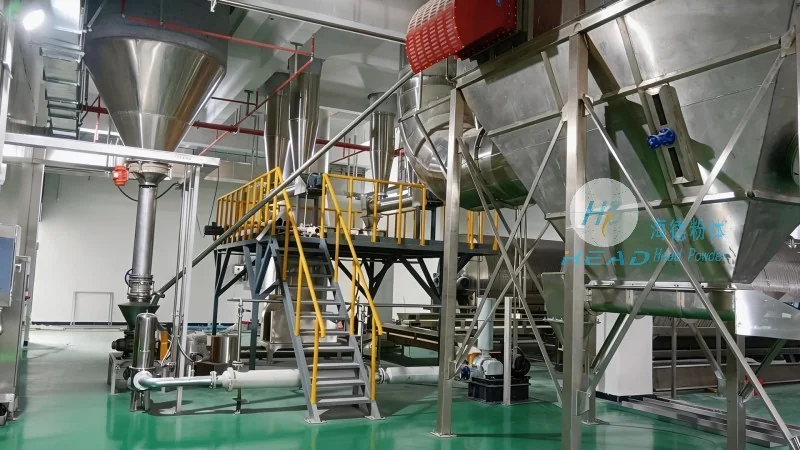
In the chemical and petrochemical industries, nitrogen-protected material handling addresses the challenges of handling flammable, reactive, or toxic materials. By isolating these substances from atmospheric oxygen, the risk of fire, explosion, or chemical reactions is minimized. The systems are often integrated with automated conveying equipment, such as pneumatic conveyors or screw feeders, to ensure seamless and safe material transfer. The inert atmosphere also helps prevent contamination from external sources, maintaining the purity of sensitive chemical compounds. Additionally, in the manufacturing of electronic components, nitrogen protection is essential for handling sensitive materials like silicon wafers and printed circuit boards, where oxidation can lead to defects and reduced performance.
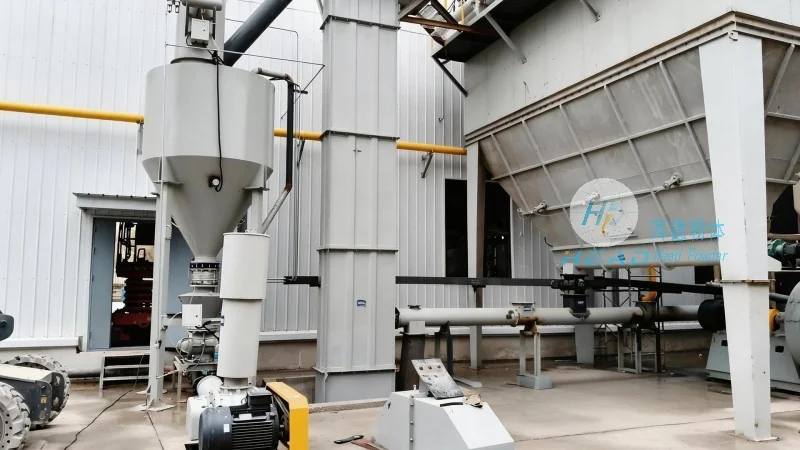
Company Overview - Shandong HeadPowder Engineering Co., Ltd.
Headpowder, the professional provider of nitrogen-protected material handling solutions, is headquartered in Shandong, China. With years of expertise in engineering and manufacturing, the company specializes in designing and installing systems tailored to the specific needs of various industries. Headpowder's commitment to quality and innovation has enabled it to deliver reliable, efficient, and cost-effective solutions that enhance operational efficiency and product safety. The company's team of experienced engineers and technicians ensures that each system is customized to meet the unique requirements of clients, whether in terms of material compatibility, environmental conditions, or regulatory compliance.
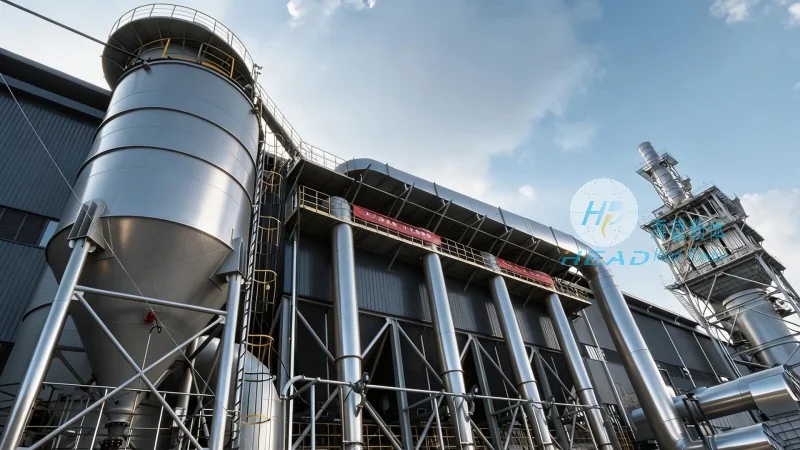
Application Examples and Operational Benefits
Real-world applications of nitrogen-protected material handling systems demonstrate their effectiveness in improving product quality and operational efficiency. For example, in a grain processing facility, the system was implemented to protect wheat and corn during storage and transport. By maintaining an oxygen-free environment, the system reduced the moisture content of the grains by 15% and extended their shelf life by two months. This resulted in significant cost savings for the company, as less product was lost to spoilage and the need for reprocessing was minimized. In another case, a pharmaceutical manufacturer used the system to handle a new API, ensuring that the material remained stable during production and storage. The system's ability to maintain a low-oxygen atmosphere helped maintain the API's potency, meeting regulatory requirements and avoiding costly recalls.
Furthermore, the systems offer operational benefits beyond product protection. By reducing the risk of fire or explosion, they enhance workplace safety, which is critical in industries dealing with hazardous materials. The automated nature of the systems also improves efficiency, as they minimize the need for manual handling and reduce the risk of human error. Additionally, the use of nitrogen as a protective gas is environmentally friendly, as it is a non-toxic and non-polluting alternative to other gases or chemicals. This aligns with the growing emphasis on sustainable practices in modern industry, making nitrogen-protected material handling an attractive solution for forward-thinking companies.




