PTA (Polyethylene Terephthalate Acid) powder pneumatic conveying is a critical material handling technology used in industrial applications to transport fine powders like PTA efficiently. This method leverages air as the conveying medium, enabling the movement of solid particles through a pipeline system. The process is vital for ensuring smooth and safe transport of PTA powder from source to destination, minimizing material loss and contamination. HeadPowder, a leading engineering company based in Shandong, China, specializes in designing and implementing such systems tailored to the unique characteristics of PTA powder.
About HeadPowder: Expertise in PTA Powder Handling Solutions
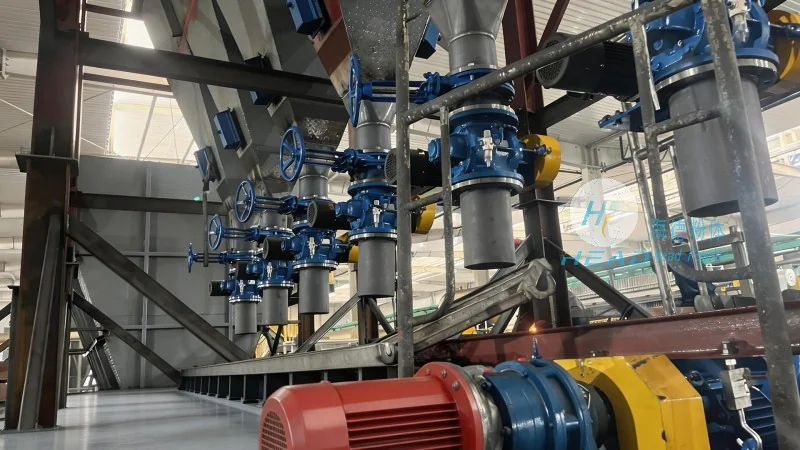
HeadPowder, formally known as Shandong HeadPowder Engineering Co., Ltd., is a reputable provider of engineering solutions for powder handling systems. With operations based in Shandong, China, the company has built a strong reputation for delivering high-quality pneumatic conveying equipment and services. Their expertise lies in understanding the specific challenges associated with handling PTA powder, such as its fine particle size, density, and sensitivity to moisture and contamination. By leveraging advanced engineering principles and years of industry experience, HeadPowder designs systems that optimize material transport, enhance operational efficiency, and ensure product integrity.
The Principle of PTA Powder Pneumatic Conveying
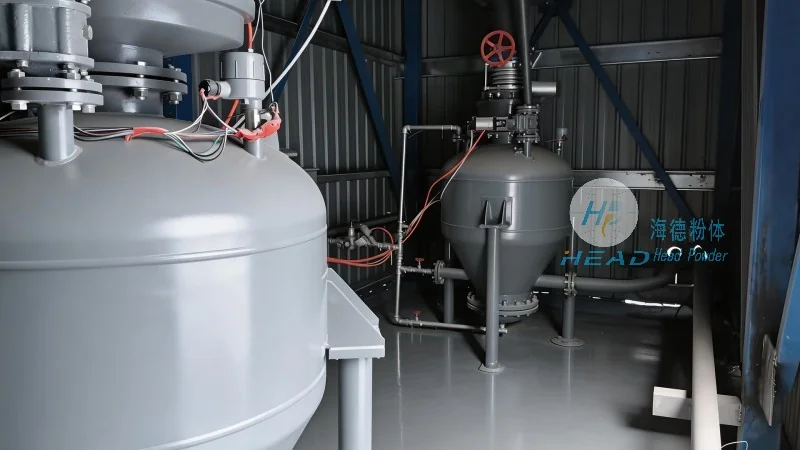
The fundamental principle of PTA powder pneumatic conveying revolves around the use of air pressure to move solid particles. Two primary system types exist: suction (vacuum) and pressure systems. Suction systems are commonly employed for PTA powder due to their ability to handle large volumes and minimize material degradation. In a suction system, a vacuum is created at the material source (e.g., a hopper or feeder), drawing PTA powder into the pipeline where it is mixed with air and transported to the destination. The air velocity must be carefully controlled to prevent clogging and ensure consistent flow. Pressure systems, on the other hand, use compressed air to push the powder through the pipeline, typically suitable for shorter distances or when the material is more abrasive. For PTA powder, which is prone to agglomeration and moisture absorption, the system design is critical. HeadPowder's engineers ensure that the air flow rate and pipeline design maintain the powder's quality, preventing issues like clumping or moisture uptake that could affect downstream processes.
Key Working Scene Characteristics of PTA Powder Pneumatic Conveying
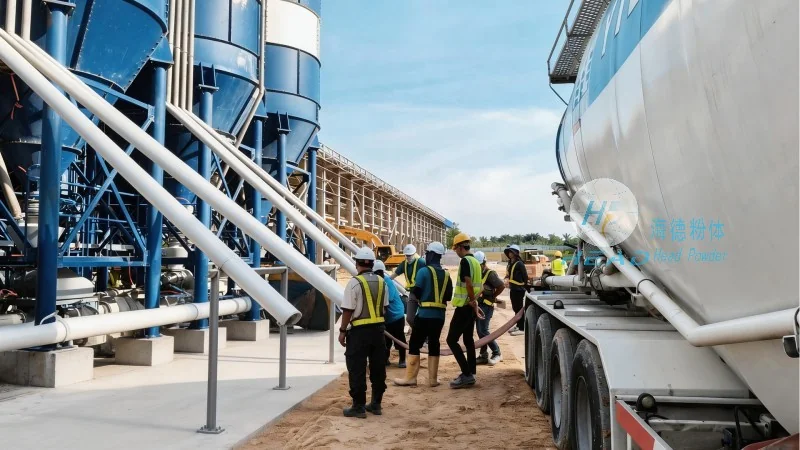
When evaluating the working scene characteristics of PTA powder pneumatic conveying, several factors define the system's effectiveness. The material's physical properties, such as particle size, density, and moisture content, significantly impact the conveying process. PTA powder, being fine and dense, requires precise air velocity and pressure to achieve efficient transport. The pipeline layout, including the number and angle of bends, also plays a role in maintaining material flow. Additionally, the system must address issues like static electricity, which can cause dust accumulation and safety hazards. HeadPowder's systems incorporate anti-static measures to mitigate these risks. Another critical characteristic is the system's ability to handle variations in feed rate. Fluctuations in PTA supply can affect conveying efficiency, and HeadPowder's adjustable feeders and control systems help maintain stable operation. The integration with downstream processing equipment is also essential. PTA powder is often used in polymerization or fiber production, and the conveying system must deliver the powder in a controlled manner without causing contamination or equipment damage. HeadPowder's designs ensure compatibility with these processes, optimizing the overall production line. Finally, the system's durability and maintenance considerations are important. High-quality materials and robust components reduce downtime and operational costs, making the system suitable for continuous industrial use.




