HeadPowder, a leading provider in the field of powder handling solutions, specializes in the efficient and reliable transportation of glass fiber powders through pneumatic conveying systems. This article delves into the fundamental principles behind this technology and explores the specific characteristics of various application scenarios where such systems are employed.
Understanding Pneumatic Conveying for Glass Fiber Powders
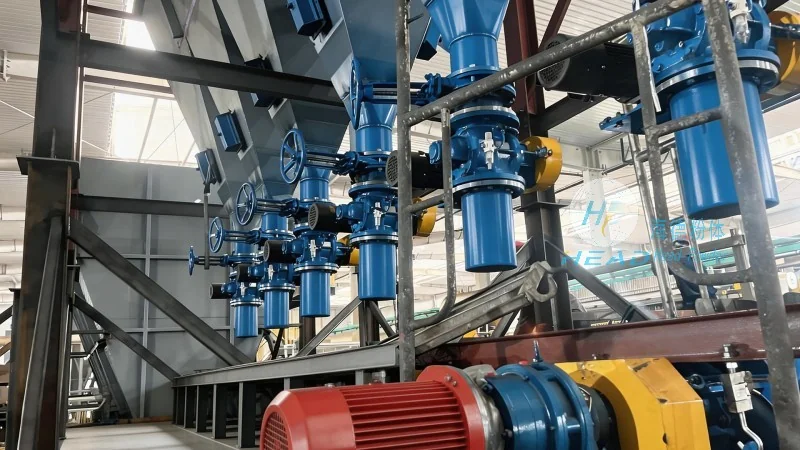
Pneumatic conveying, also known as air conveying, is a method of transporting bulk materials, including fine powders like glass fiber, using a pressurized or vacuum air stream. The core principle involves the creation of a flow of air that lifts and moves the powder particles through a pipeline. This process relies on the interaction between the air flow and the powder particles, which can be categorized into two main types: pressure and vacuum systems.
In pressure systems, air is supplied under pressure from a blower or compressor at the discharge end of the conveying line. The air then travels backward through the pipeline, carrying the powder from the source to the destination. This method is particularly effective for long-distance or high-volume conveying, as it can maintain consistent flow rates and minimize particle degradation. On the other hand, vacuum systems operate by creating a negative pressure at the receiving end, drawing the powder and air mixture into the pipeline from the source. Vacuum systems are often preferred for shorter distances or when the material needs to be transported from multiple points to a central collection point.
Key Working Principles of Glass Fiber Powder Pneumatic Conveying
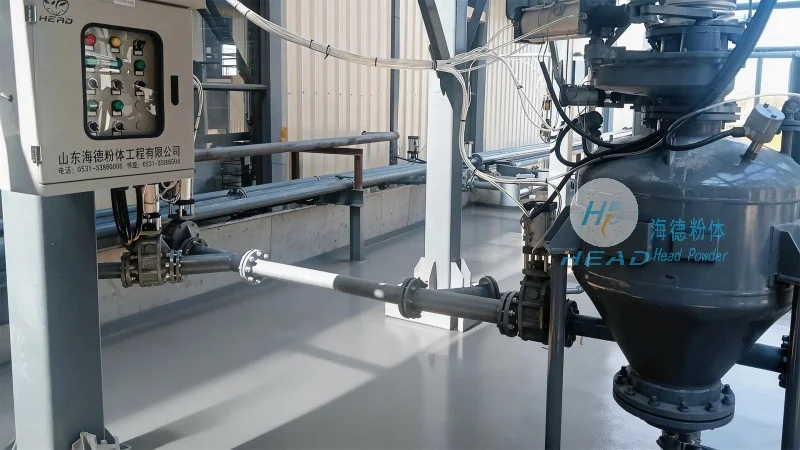
The successful operation of pneumatic conveying for glass fiber powders depends on several critical factors. First, the particle size and density of the glass fiber powder play a significant role. Fine particles tend to be more susceptible to agglomeration and can cause blockages in the pipeline if not properly handled. Therefore, many systems incorporate features such as cyclones or filters to separate and manage these particles. Second, the air velocity must be carefully controlled to ensure that the powder is fully entrained without causing excessive wear on the system components. This balance is crucial for maintaining the efficiency and longevity of the conveying equipment.
Another important principle is the design of the conveying line, including the choice of materials and the configuration of bends and fittings. Glass fiber powders can be abrasive, so the use of corrosion-resistant materials like stainless steel or special coatings is essential to prevent wear and maintain system integrity. Additionally, the inclusion of pulse jets or other cleaning mechanisms helps to prevent the buildup of powder on the pipeline walls, which could otherwise lead to reduced efficiency or system failure.
Work Scene Characteristics of Pneumatic Conveying Systems for Glass Fiber Powders
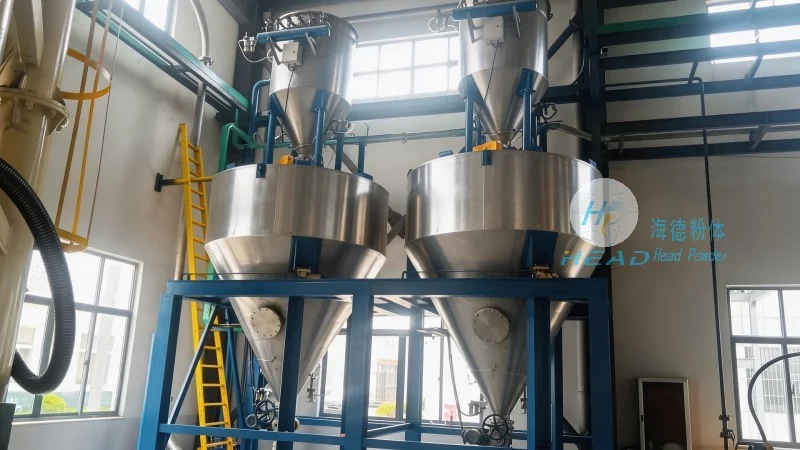
The application scenarios for pneumatic conveying of glass fiber powders vary widely, each with its own unique set of requirements and operational characteristics. In industrial manufacturing settings, such as the production of composite materials or insulation products, these systems are used to transport glass fiber powders from storage silos to processing equipment. The key characteristics in these scenarios include high throughput rates, precise control over powder flow, and the ability to integrate with existing production lines.
In construction and building materials applications, pneumatic conveying systems are employed to transport glass fiber powders to job sites or storage areas. Here, the emphasis is often on mobility and ease of installation, as the systems may need to be set up in temporary locations. The work scene characteristics include the need for compact designs, low maintenance requirements, and the ability to handle varying particle sizes and moisture levels.
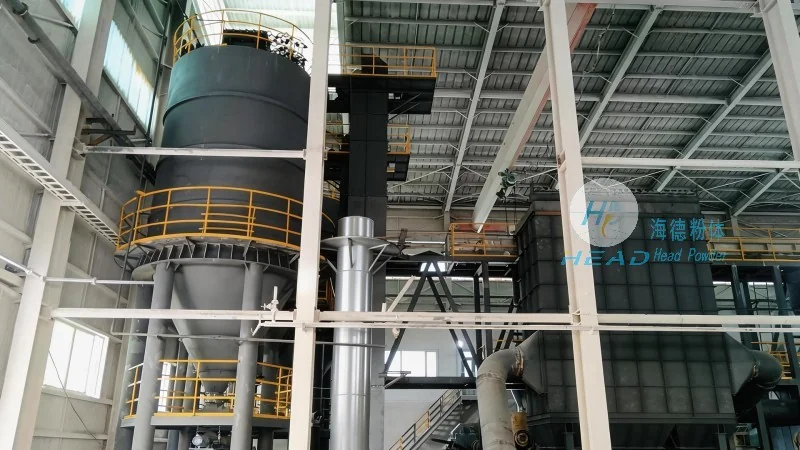
In research and development laboratories, smaller-scale pneumatic conveying systems are used to handle glass fiber powders for testing and analysis purposes. These systems typically operate at lower pressures and volumes, with a focus on accuracy and repeatability. The work scene characteristics in this context include the need for cleanroom compatibility, minimal particle loss, and the ability to integrate with analytical equipment.
Conclusion
HeadPowder Engineering Co., Ltd., based in Shandong, China, offers advanced pneumatic conveying solutions tailored to the specific needs of glass fiber powder handling. By understanding the fundamental principles of pneumatic conveying and the unique characteristics of different work scenarios, companies can select and implement the most effective systems to enhance efficiency, reduce costs, and ensure the safe and reliable transportation of their materials. Whether for industrial production, construction, or laboratory use, the principles and applications outlined here provide a comprehensive overview of the technology and its practical implications.




