For industrial operations involving the transport of powders and bulk materials, pneumatic conveying systems offer a versatile and efficient solution. Among the various types of pneumatic conveying, dilute phase systems stand out due to their ability to handle a wide range of particle sizes and materials while maintaining high throughput. This article explores the fundamental principles behind dilute phase powder pneumatic conveying systems and highlights the key characteristics that define their operational scenarios.
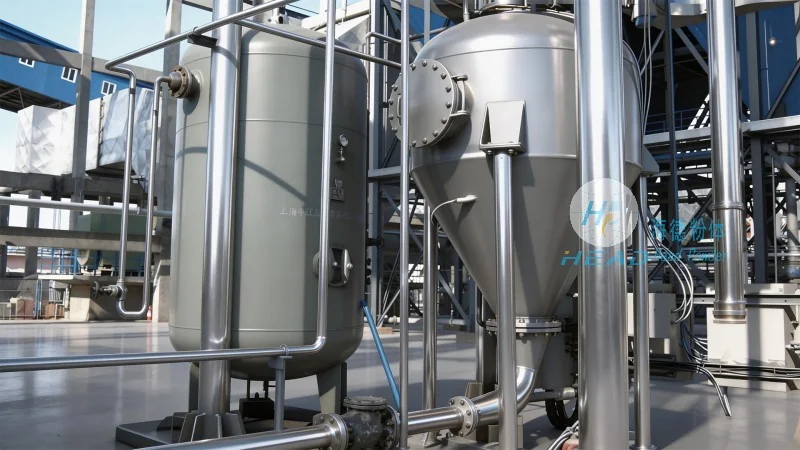
Dilute Phase Pneumatic Conveying Systems: An Overview
Dilute phase pneumatic conveying systems are designed to transport dry powders or granular materials by suspending the particles in a high-velocity air stream. Unlike dense phase systems, which rely on a lower air velocity and higher pressure to push material through a pipeline, dilute phase systems operate at higher air velocities, typically ranging from 20 to 40 meters per second. This high velocity ensures that the powder particles remain fully suspended in the air, preventing clogging and ensuring smooth flow throughout the conveying line.
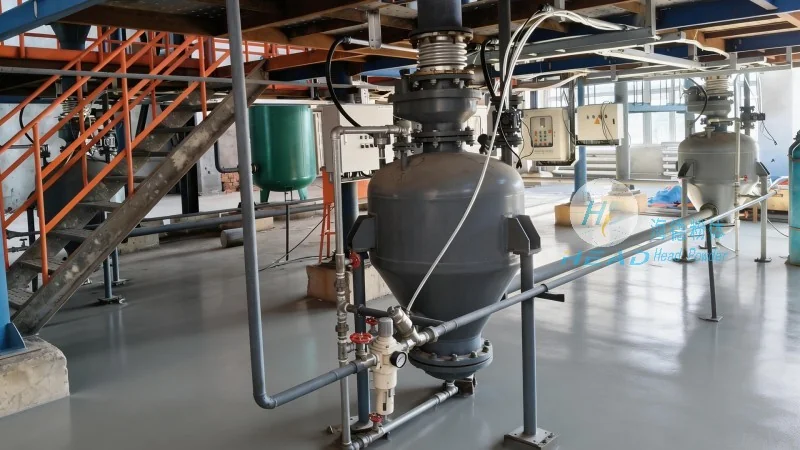
Working Principle of Dilute Phase Systems
The core principle of dilute phase pneumatic conveying is the creation of a suspension of powder particles within the air stream. As compressed air is introduced into the conveying line, it accelerates and carries the powder particles along the pipeline. The system typically consists of a blower or compressor, a hopper for material storage, a feeder to control the flow rate, and a discharge point where the material is released. The air velocity is maintained at a level sufficient to keep the particles in suspension, ensuring that the material travels efficiently from the source to the destination.
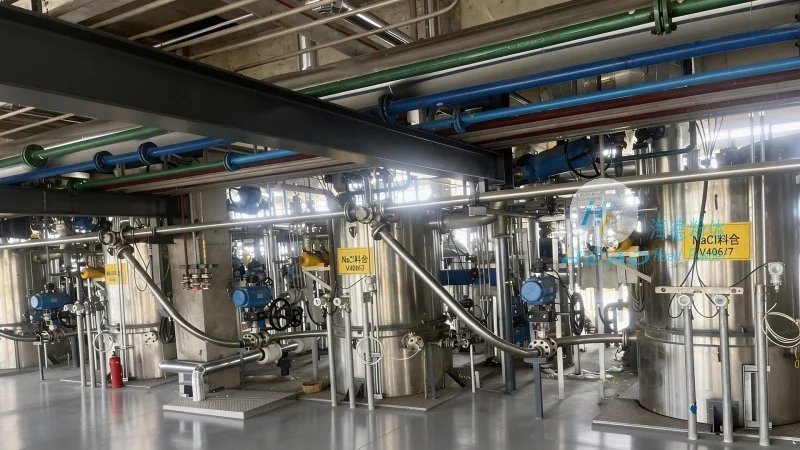
Key Characteristics of Dilute Phase Conveying
Several key characteristics define the performance and suitability of dilute phase pneumatic conveying systems. First, these systems are capable of transporting materials over relatively long distances, often up to several hundred meters, depending on the pipeline layout and air pressure. Second, they can handle a wide variety of particle sizes, from fine powders to coarse granules, making them adaptable to diverse industrial applications. Third, dilute phase systems are generally more energy-efficient compared to dense phase systems, as they require less pressure and lower air volumes to achieve the same throughput. Additionally, these systems are relatively simple in design, with fewer components and lower maintenance requirements, which contributes to their cost-effectiveness.
Typical Working Scenarios and Applications
Dilute phase pneumatic conveying systems are widely used in various industries due to their flexibility and efficiency. In the chemical industry, they are employed to transport raw materials such as powders, granules, and slurries between processing units, ensuring a continuous and clean material flow. The food and pharmaceutical sectors also utilize these systems for the transport of ingredients, such as flour, sugar, and powders, where hygiene and contamination control are critical. Furthermore, in the mining and mineral processing industries, dilute phase systems are used to move bulk materials like ores and minerals from storage facilities to processing plants. The versatility of dilute phase systems makes them suitable for both short and long-distance transport, adapting to the specific needs of different operational environments.
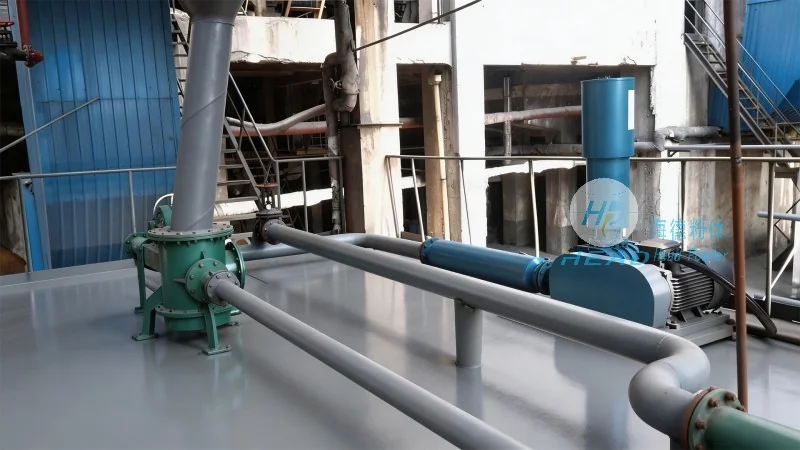
Company Profile: Shandong HeadPowder Engineering Co., Ltd.
Headpowder, the Shandong HeadPowder Engineering Co., Ltd., is a leading provider of pneumatic conveying solutions, specializing in the design, manufacturing, and installation of dilute phase and other types of powder handling systems. With its headquarters located in Shandong, China, the company leverages advanced engineering expertise and state-of-the-art technology to deliver customized solutions tailored to the unique requirements of its clients. Headpowder's commitment to quality and innovation has established it as a trusted partner in the industrial material handling sector, offering reliable and efficient systems that enhance operational efficiency and reduce downtime.




