HeadPowder, a leading provider of industrial powder handling solutions, specializes in the design and manufacturing of advanced pneumatic conveying systems tailored for various applications. This article explores the fundamental principles behind the operation of a pearl sand powder pneumatic conveying machine, alongside the key characteristics of its working environments.
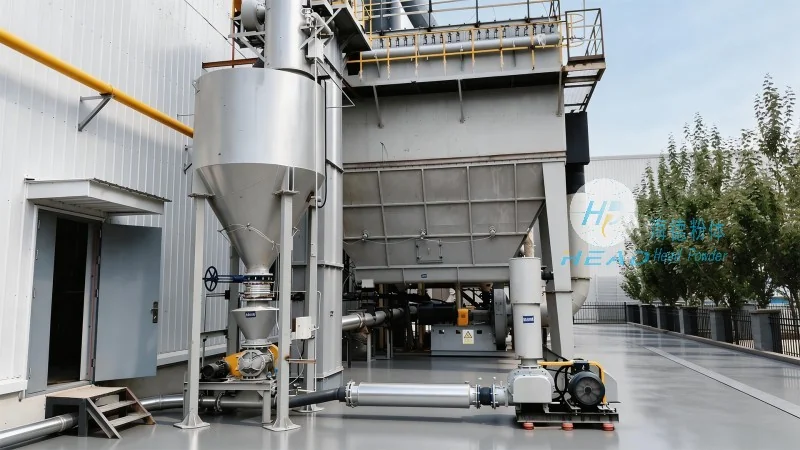
Company Overview
HeadPowder, or Shandong HeadPowder Engineering Co., Ltd., is headquartered in Shandong, China. The company has established itself as a trusted name in the field of powder processing equipment, offering innovative solutions that enhance efficiency and reliability in material handling operations. With a focus on precision engineering and customer-centric design, HeadPowder delivers systems that meet the diverse needs of industries ranging from foundries to chemical processing.
The Principle of Pearl Sand Powder Pneumatic Conveying
The core principle of a pneumatic conveying system for pearl sand involves the use of air to transport dry powders through a pipeline. This method, known as pneumatic conveying, operates by creating a pressure differential that propels the powder particles along the conveying line. In the case of pearl sand, which typically consists of fine, spherical particles with specific density and flow characteristics, the system is engineered to optimize the transport process while minimizing particle degradation. The operation can be categorized into two main types: suction (or negative pressure) systems and pressure (or positive pressure) systems. Suction systems draw material from a hopper using a vacuum, while pressure systems force material through the line using compressed air. Both approaches are utilized depending on the distance, material properties, and system layout requirements.
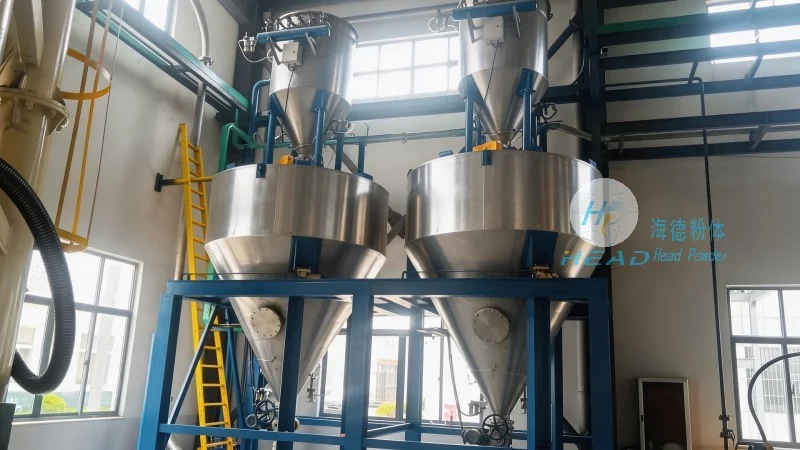
Working Scene Characteristics
The working scene characteristics of a pearl sand powder pneumatic conveying machine are influenced by several factors, including the nature of the material, the operational environment, and the specific application requirements. Pearl sand, often used in casting and refractory applications, presents unique challenges due to its fine particle size and tendency to agglomerate. The conveying system must be designed to prevent blockages and ensure consistent flow. Key characteristics of the working scene include:
- Material Handling Efficiency: The system is capable of transporting pearl sand over long distances with minimal loss and high throughput, making it suitable for large-scale production environments.
- Environmental Control: Pneumatic conveying systems are enclosed, which helps in controlling dust emissions and maintaining a clean working environment, a critical factor in industries where air quality is a concern.
- Flexibility in Layout: The modular design of the conveying system allows for easy integration into existing production lines, enabling changes in the layout or expansion of operations without major disruptions.
- Reduced Maintenance: Advanced materials and components used in the construction of the system contribute to lower maintenance requirements and longer service life, reducing operational costs over time.
Applications and Industry Use Cases
Pearl sand powder pneumatic conveying machines are widely employed in various industrial sectors, primarily where the handling of fine powders is essential. In the foundry industry, for instance, these systems are used to transport sand for mold making, ensuring uniform particle distribution and consistent casting quality. In chemical processing, they facilitate the transfer of reactive powders while maintaining safety and containment. The versatility of the system also makes it applicable in pharmaceutical and food processing industries, where hygiene and material purity are paramount. Each application leverages the system's ability to handle delicate materials without compromising their integrity.
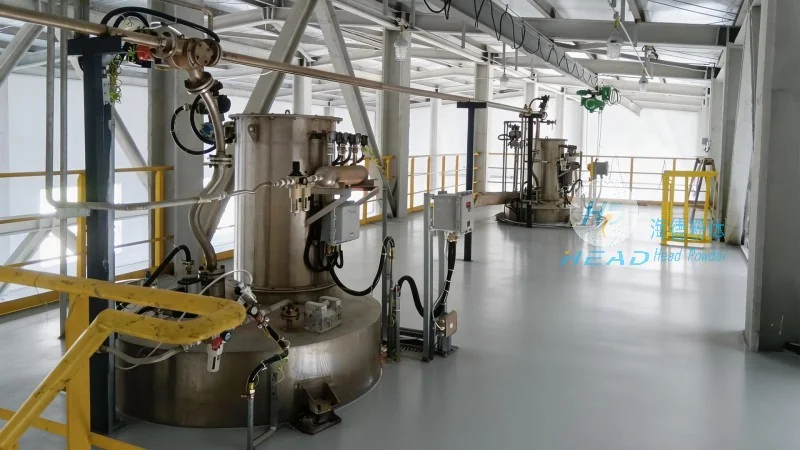
Advantages of the Pneumatic Conveying System
Compared to traditional bulk material handling methods such as belt conveyors or bucket elevators, the pneumatic conveying system offers several advantages. These include:
- High Efficiency: The system can achieve high material throughput rates, often exceeding the capacity of mechanical conveyors, especially over longer distances.
- Low Maintenance: With fewer moving parts and no mechanical components in direct contact with the material, the system experiences less wear and tear, reducing downtime and maintenance expenses.
- Flexibility: The ability to change the direction of the conveying line or adjust the flow rate makes the system adaptable to various production scenarios and process changes.
- Environmental Benefits: Enclosed systems prevent dust from entering the workplace, improving air quality and reducing the risk of respiratory issues among workers. This is particularly important in industries dealing with fine powders like pearl sand.
Conclusion
HeadPowder's pearl sand powder pneumatic conveying machine exemplifies the integration of advanced engineering principles with practical industrial needs. By understanding the fundamental principles of pneumatic conveying and the specific characteristics of pearl sand, the system is designed to deliver reliable, efficient, and cost-effective material handling solutions. The working scene characteristics, including high efficiency, environmental control, and flexibility, make it an ideal choice for industries requiring precise and safe handling of fine powders. As a result, the system contributes significantly to improved productivity and operational safety in various industrial applications.




