HeadPowder, a leading engineering company based in Shandong, China, specializes in advanced material handling solutions, particularly air-driven transport systems for monosodium glutamate (MSG) powder. This article explores the fundamental principles behind air-driven transport and highlights the key characteristics of its application in industrial settings.
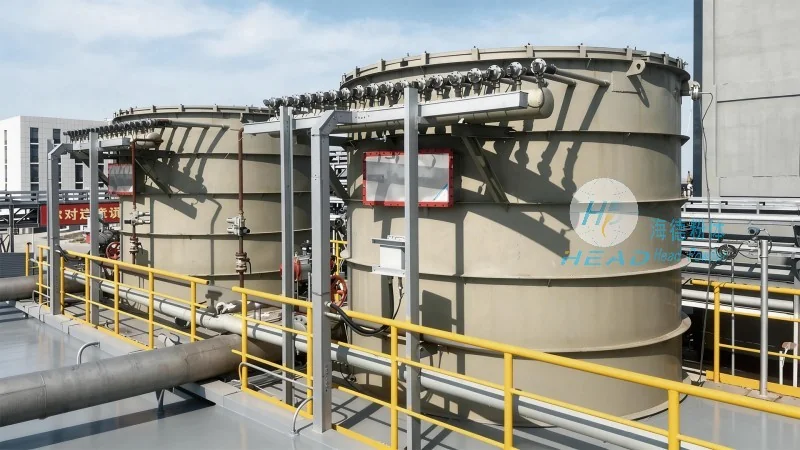
Core Principle of Air-Driven Transport Technology
The core principle of air-driven transport for monosodium glutamate powder involves using a pressurized air system to move powder materials through a pipeline network. The system typically consists of a blower, a hopper for material storage, and a series of pipelines with appropriate valves and control mechanisms. As the air flows through the pipeline, it creates a low-pressure zone that draws the powder particles into the air stream, allowing them to be transported over long distances with minimal loss and high efficiency. This method is particularly effective for handling fine powders like MSG, which are prone to dust and require controlled environments to prevent contamination and ensure product quality.
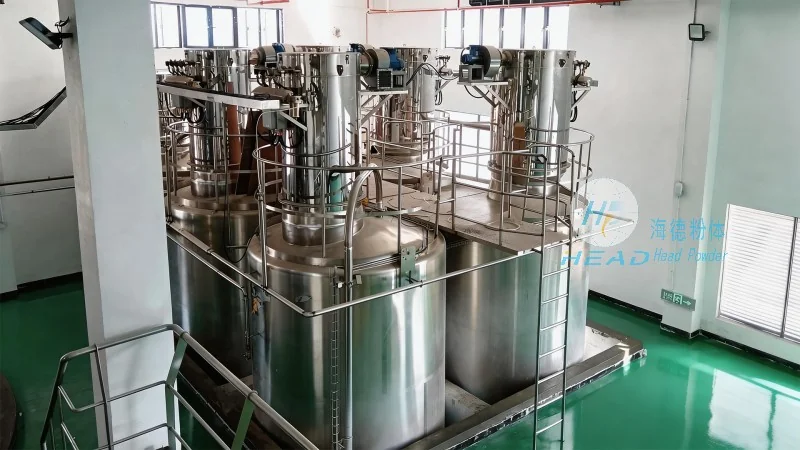
Key Working Scene Characteristics in Monosodium Glutamate Powder Handling
When applied to monosodium glutamate powder handling, air-driven transport systems exhibit several distinct working scene characteristics. First, the system offers a high degree of flexibility in terms of pipeline layout, enabling the integration of multiple processing units such as storage silos, mixing equipment, and packaging lines. This modular design allows for seamless material flow between different stages of production, reducing the need for manual handling and minimizing the risk of cross-contamination. Second, the transport process is highly efficient, with the ability to move large volumes of powder quickly and reliably. The air pressure can be adjusted to control the speed and density of the powder flow, ensuring consistent delivery to downstream processes. Third, the system is designed to maintain a clean and hygienic environment, which is critical for food-grade products like MSG. The enclosed pipeline system prevents dust from escaping into the air, and the materials used in the construction of the pipelines and components are often made from food-grade stainless steel to meet stringent hygiene standards.
Application Scenarios and Operational Advantages
Industrial applications of air-driven transport for monosodium glutamate powder are widespread across various sectors. In the food processing industry, these systems are commonly used to transport MSG from storage silos to mixing and blending equipment, ensuring a continuous and controlled supply of raw material. The system's ability to handle fine powders without clogging or agglomeration makes it ideal for maintaining product consistency. In the chemical and pharmaceutical industries, similar principles are applied to transport other fine powders, though the specific design may vary based on the material's properties and handling requirements. The operational advantages of air-driven transport include reduced labor costs, improved safety by minimizing manual handling of powders, and enhanced product quality through consistent and hygienic transport. Additionally, the system's scalability allows it to be adapted for both small-scale and large-scale production facilities, making it a versatile solution for different production capacities.
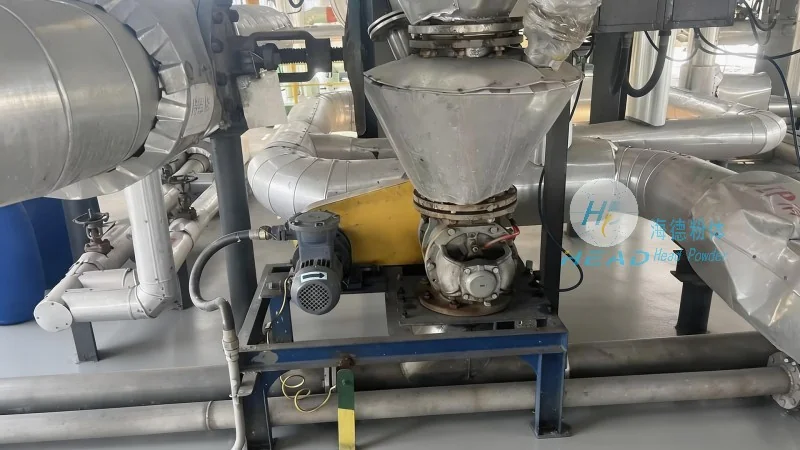
Technical Advantages and Efficiency in Material Handling
From a technical perspective, air-driven transport systems for monosodium glutamate powder offer several advantages that contribute to overall operational efficiency. The use of a pressurized air system eliminates the need for mechanical conveyors, which can be prone to wear and tear and require frequent maintenance. The air system is also more energy-efficient compared to traditional conveyor systems, as it uses less power to move the same volume of material. Furthermore, the system's ability to transport materials over long distances without the need for intermediate storage points reduces the risk of material degradation and spoilage. The control mechanisms, such as variable frequency drives (VFDs) and pressure sensors, allow for precise regulation of the air flow and powder density, ensuring optimal performance under varying conditions. These technical features, combined with the hygienic design, make air-driven transport an ideal choice for industries where product purity and consistency are paramount.




