As a specialized provider in the field of material handling, Shandong HeadPowder Engineering Co., Ltd. (referred to as HeadPowder) focuses on advanced solutions for the transportation of ceramic materials. Pneumatic conveying, a technology that uses air or gas to transport bulk materials, has become a critical component in modern ceramic production processes. This article explores the fundamental principles of pneumatic conveying and highlights its key application scenarios, offering insights into how this technology enhances operational efficiency and product quality in the ceramic industry.
Principles of Pneumatic Conveying
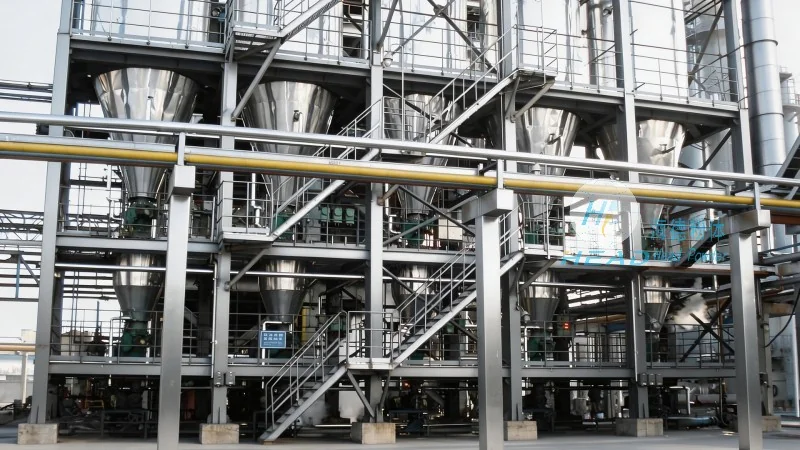
The core principle of pneumatic conveying is to utilize the kinetic energy of a moving air or gas stream to transport particulate materials. The process involves creating a pressure differential between the conveying line and the ambient environment. In a typical system, a fan or blower generates the necessary airflow, which then draws or pushes the material through the pipeline. There are two main categories of pneumatic conveying systems: positive pressure (or pressure) systems and negative pressure (or vacuum) systems. Positive pressure systems operate by blowing air into the conveying line, pushing the material forward, while negative pressure systems create a vacuum to draw material into the line. Each type has distinct characteristics suitable for different material properties and application requirements.
Different Types of Pneumatic Conveying Systems
For ceramic materials, the choice of system depends on factors such as particle size, moisture content, and the distance to be conveyed. Positive pressure systems are often preferred for long-distance or high-volume transport due to their ability to handle larger particles and resist blockages. They typically use a positive displacement blower, which provides consistent pressure. Negative pressure systems, on the other hand, are ideal for applications requiring a clean environment, such as transporting finished ceramic products or handling materials in controlled areas. These systems use a vacuum pump and are less likely to generate dust emissions compared to positive pressure systems. Mixed or combined systems, which use both positive and negative pressure, offer flexibility for complex conveying routes, allowing for both transport and collection at different points.
Key Application Scenarios in Ceramic Production
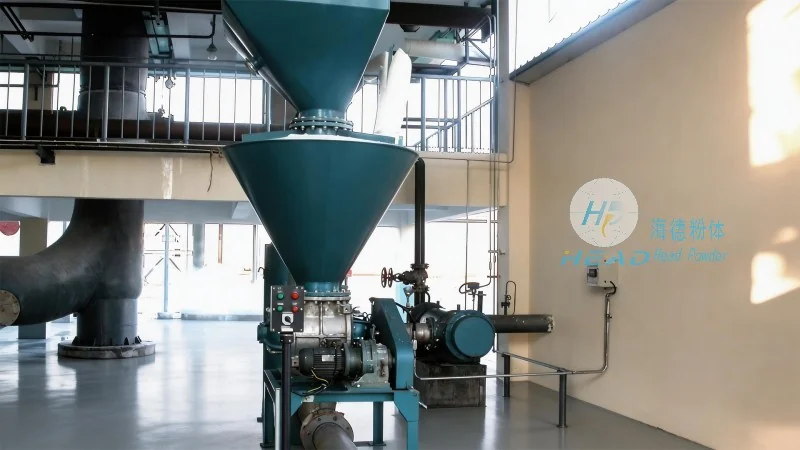
Pneumatic conveying is widely used across various stages of ceramic manufacturing, from raw material handling to finished product distribution. One primary application is the transport of raw ceramic powders, such as clay, feldspar, and quartz, from storage silos to mixing and processing equipment. This method ensures a consistent flow of materials, minimizing downtime and improving process control. Another critical scenario involves the handling of finished ceramic products, such as tiles or sanitaryware, which require gentle and dust-free transportation to prevent surface damage. Pneumatic conveying systems can be integrated with packaging lines, enabling seamless transfer of products from production to storage or shipping areas. Additionally, in the context of dust management, pneumatic conveying is employed to collect and transport ceramic dust from production lines, contributing to a cleaner and safer working environment. The ability to handle both dry and slightly moist materials makes it suitable for various ceramic production processes, including those involving glazes and pigments.
HeadPowder's Expertise in Pneumatic Conveying Solutions
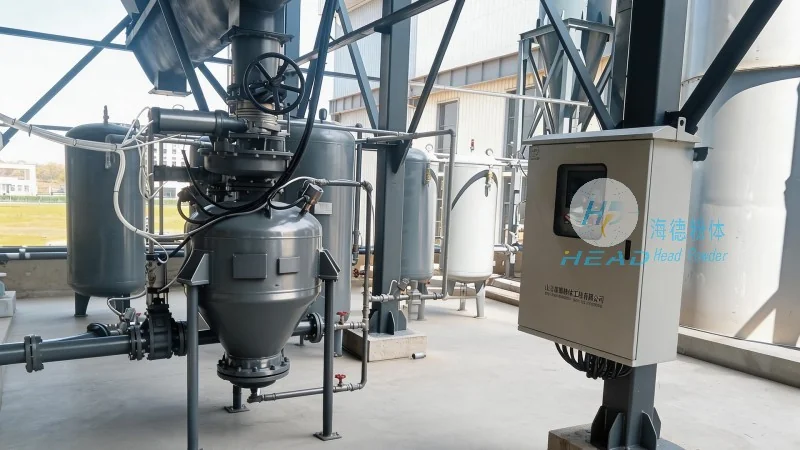
As a leading manufacturer of material handling equipment, HeadPowder specializes in designing and manufacturing customized pneumatic conveying systems tailored to the specific needs of ceramic manufacturers. The company leverages decades of experience in the industry to provide solutions that optimize material flow, reduce operational costs, and enhance product quality. HeadPowder's engineers work closely with clients to assess their unique production requirements, including material characteristics, conveying distances, and environmental regulations. By offering a range of system configurations—from simple single-line setups to complex multi-line networks—the company ensures that each solution is tailored to maximize efficiency and reliability. The use of high-quality components, such as durable pipelines, efficient fans, and advanced control systems, further enhances the performance and longevity of the conveying systems. HeadPowder also provides comprehensive after-sales support, including maintenance services and technical assistance, to ensure that clients can maintain optimal operation of their equipment over time.
Conclusion
Pneumatic conveying represents a sophisticated and efficient method for handling ceramic materials, offering significant advantages over traditional mechanical conveying systems. By understanding the principles and application scenarios of pneumatic conveying, ceramic manufacturers can enhance their production processes, improve product quality, and reduce operational costs. With its commitment to innovation and customer-centric solutions, Shandong HeadPowder Engineering Co., Ltd. continues to play a vital role in advancing material handling technologies for the ceramic industry, helping businesses achieve greater efficiency and sustainability in their operations.




