The pneumatic conveying system for loess materials represents a sophisticated solution in material handling technology, designed to efficiently transport fine powders and granular substances like loess. This system, developed by Shandong HeadPowder Engineering Co., Ltd., based in Shandong, China, integrates advanced pneumatic principles to ensure reliable and efficient material movement across various industrial applications. The system's design addresses the unique challenges posed by loess, such as its fine particle size, cohesive properties, and potential for dust generation, making it a critical component in industries ranging from construction to mining.
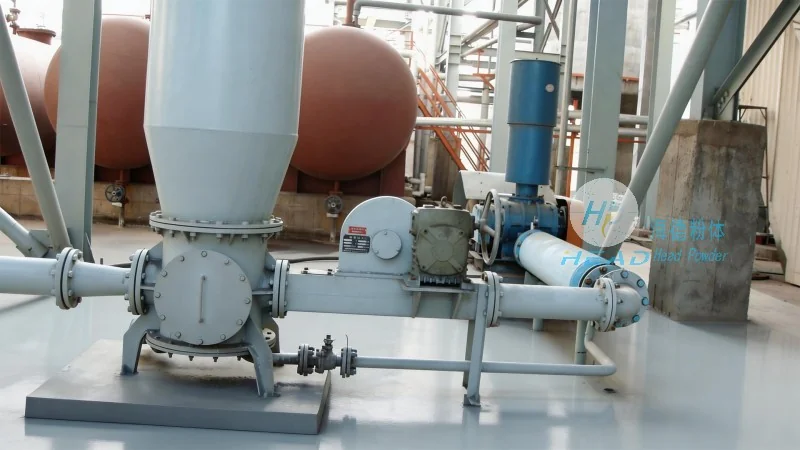
Core Principle of Pneumatic Conveying Technology
At the heart of the loess material pneumatic conveying system lies the fundamental principle of transporting materials using pressurized or suction air. The system operates by creating a flow of air within a pipeline, which then carries the loess particles through the system. This process can be categorized into two main types: positive pressure (or pressure) systems and negative pressure (or vacuum) systems. In positive pressure systems, air is forced into the material to be conveyed, creating a pressure differential that propels the particles forward. Conversely, negative pressure systems draw air and material into a vacuum, using the pressure difference to move the material. For loess, a positive pressure system is often preferred due to its ability to handle high material loads and minimize dust dispersion, which is essential for maintaining air quality and operational safety.
Working Scene Characteristics and Application Scenarios
The working scene characteristics of the loess material pneumatic conveying system are tailored to meet the demands of diverse industrial environments. These systems are typically deployed in scenarios where traditional mechanical conveying methods, such as belt conveyors or screw conveyors, are impractical or inefficient. Key application scenarios include:
1. **Construction and Building Materials Industry**: In this sector, loess is commonly used as a raw material for cement production, brick manufacturing, and plaster. The pneumatic conveying system allows for seamless transport of loess from storage silos to processing units, ensuring consistent material flow and reducing manual handling risks.
2. **Mining and Mineral Processing**: For mining operations, the system is employed to transport loess and other fine minerals from extraction sites to processing plants. The ability to handle high volumes of material with minimal maintenance makes it ideal for continuous mining operations, where efficiency and reliability are paramount.
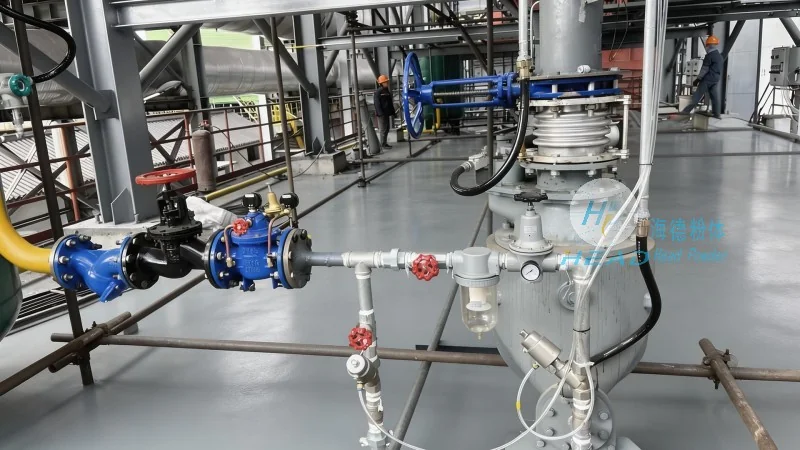
3. **Agricultural and Fertilizer Production**: In agricultural settings, loess is sometimes used as a soil amendment or in the production of organic fertilizers. The system facilitates the transport of loess from storage areas to mixing and packaging facilities, supporting large-scale agricultural operations.
4. **Industrial Dust Collection and Material Recovery**: The system also plays a role in industrial processes where loess is generated as a byproduct, such as in grinding or crushing operations. By integrating with dust collection systems, the pneumatic conveying mechanism recovers and reuses the loess, reducing waste and improving overall operational efficiency.
Technical Advantages and Practical Implementation in Loess Material Handling
The loess material pneumatic conveying system offers several technical advantages that make it superior to traditional conveying methods. These advantages include:
- **Efficient Material Transport**: The system can handle high material loads with minimal pressure drop, ensuring consistent flow rates and reducing the need for frequent maintenance.
- **Low Maintenance Requirements**: Unlike mechanical conveyors, which require regular lubrication and part replacement, pneumatic systems have fewer moving parts, leading to lower maintenance costs and longer service life.
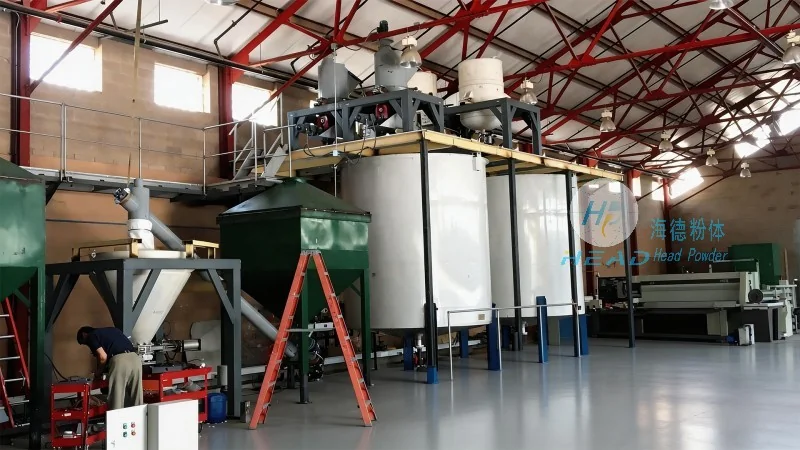
- **Dust Control and Environmental Compliance**: By using enclosed pipelines and controlled air flow, the system minimizes dust dispersion, which is crucial for maintaining air quality and complying with environmental regulations.
- **Flexibility in Layout**: The pneumatic system can be easily integrated into existing industrial layouts, allowing for customized solutions that adapt to specific site conditions and operational needs.
Practical implementation of the loess material pneumatic conveying system involves careful consideration of several factors. These include the particle size and moisture content of the loess, the required transport distance, and the desired system pressure. Shandong HeadPowder Engineering Co., Ltd. provides comprehensive design and installation services, ensuring that the system is optimized for the specific characteristics of the loess material and the operational requirements of the client. The company's expertise in material handling technology enables the development of tailored solutions that maximize efficiency and minimize operational costs.
Company Profile and Professional Support
Shandong HeadPowder Engineering Co., Ltd., headquartered in Shandong, China, is a leading provider of advanced material handling solutions, including pneumatic conveying systems for loess materials. With a strong commitment to innovation and quality, the company has established itself as a trusted partner in various industries, offering customized solutions that address the unique challenges of material transport. The company's team of engineers and technicians brings extensive experience in designing and implementing efficient conveying systems, ensuring that clients receive reliable and durable equipment that meets their specific needs. By leveraging cutting-edge technology and adhering to strict quality standards, Shandong HeadPowder Engineering Co., Ltd. continues to deliver high-performance solutions that enhance operational efficiency and support sustainable industrial practices.




