Coal and coke are fundamental raw materials in numerous industrial sectors, including steel production, power generation, and chemical processing. Efficient material handling is pivotal for optimizing production efficiency and minimizing operational expenses. Pneumatic conveying systems provide a versatile and effective solution for transporting coal and coke over short to medium distances within industrial facilities. This article offers a comprehensive overview of the operation process and working principle of such systems, detailing the key components, operational steps, and technical aspects involved.
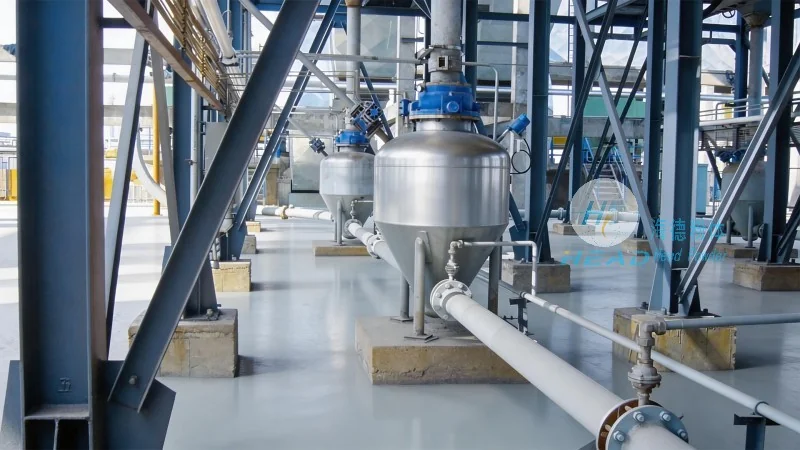
Key Components of Pneumatic Conveying Systems
A typical coal and coke pneumatic conveying system comprises several critical components that function together to ensure smooth material transport. The primary components include the material feeder, air supply system, conveying pipeline, separation and cleaning equipment, and discharge device. The material feeder is responsible for introducing the coal or coke into the system, maintaining a consistent flow rate. The air supply system generates the necessary airflow, typically using a blower or compressor, to create the pressure differential required for conveying. The conveying pipeline, often constructed from metal or plastic, transports the material along the intended path. The separation equipment, such as cyclones or filters, separates the conveyed material from the air stream, while the cleaning system maintains the system's efficiency by removing accumulated dust or debris.
Operation Process of Coal and Coke Pneumatic Conveying
The operation process of a coal and coke pneumatic conveying system involves a series of sequential steps to ensure safe and efficient material transport. The process typically starts with the material being fed from a storage hopper or silo into the system. The feeder then regulates the flow rate, ensuring a steady supply of material to the conveying line. Concurrently, the air supply system generates the required airflow, which is introduced into the conveying pipeline at a specific pressure. As the air flows through the pipeline, it creates a pressure differential that lifts and propels the coal or coke particles forward. The material travels through the pipeline, often encountering bends or directional changes, which are designed to minimize pressure loss and maintain the flow velocity. Upon reaching the destination point, the material is discharged into a receiving hopper or storage container. The separation equipment then separates the material from the air stream, capturing the coal or coke particles and returning the air to the system or to the environment, depending on the system design.
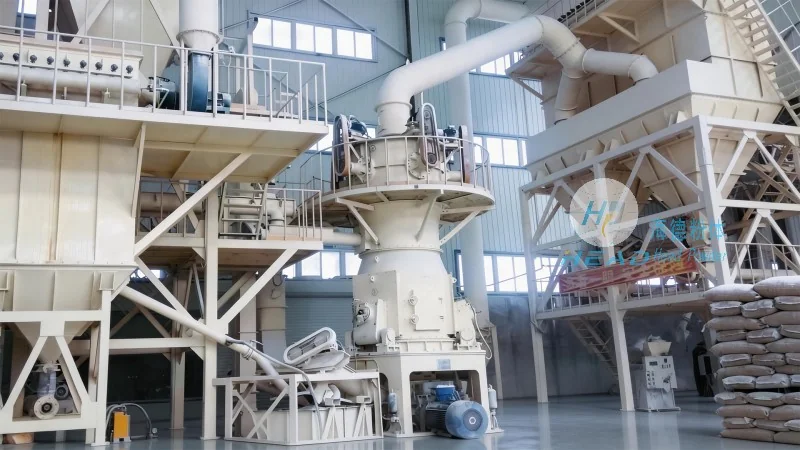
Working Principle of Pneumatic Conveying
The working principle of a coal and coke pneumatic conveying system is grounded in fluid dynamics and particle transport principles. The system operates by establishing a pressure difference between the inlet and outlet of the conveying pipeline. This pressure difference is generated by the air supply system, which forces air through the pipeline at a high velocity. The air flow entrains the coal or coke particles, carrying them along the pipeline as a slurry or suspension. The velocity of the air is critical; it must be sufficient to overcome the gravitational force acting on the particles and to maintain the material in a suspended state. The pressure differential ensures continuous material movement, while the separation equipment at the end of the line separates the material from the air, allowing the air to be recycled or discharged. The system's efficiency hinges on maintaining the correct air velocity and pressure, as well as ensuring the pipeline remains free from blockages or obstructions.
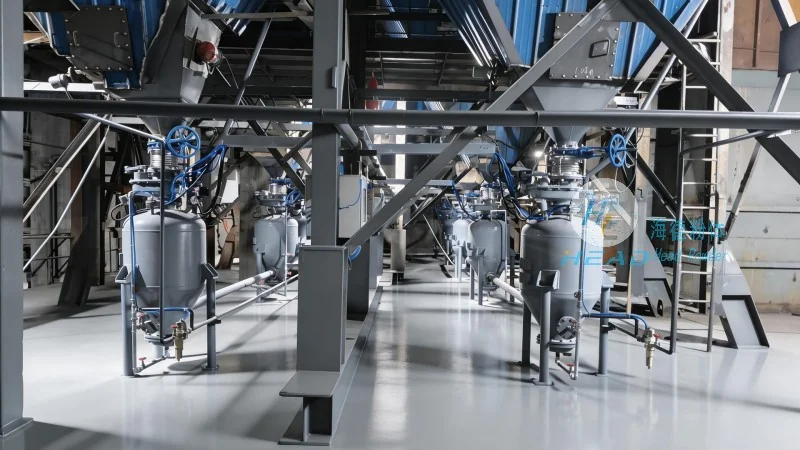
Advantages of Pneumatic Conveying for Coal and Coke Handling
Pneumatic conveying systems offer several advantages over traditional mechanical conveying methods for handling coal and coke. These advantages include reduced labor costs, as the system can operate automatically with minimal human intervention. The systems are also more flexible, allowing for easy reconfiguration or expansion as production needs evolve. Additionally, pneumatic conveying minimizes material degradation, as the material is not subjected to abrasion or impact from mechanical components. The systems are also relatively compact, requiring less floor space compared to other conveying methods. Furthermore, they can handle a wide range of particle sizes and moisture contents, making them suitable for various coal and coke types.
Customization and Application Examples
Shandong HeadPowder Engineering Co., Ltd., operating under the brand name headpowder, specializes in designing and manufacturing customized pneumatic conveying systems tailored to client-specific requirements. The company leverages advanced engineering and manufacturing capabilities to deliver high-quality systems that meet the most demanding industrial standards. For instance, a steel plant in China required a system to transport coke from a storage yard to a blast furnace. The headpowder team designed a system featuring a large-capacity feeder, a long-distance conveying pipeline, and a cyclone separator to ensure efficient material transport. The system was installed and commissioned successfully, achieving the desired throughput and reliability. Another application involved a power plant that needed to transport coal from a silo to a boiler. The headpowder system was engineered to handle high moisture content coal and to maintain consistent flow rates, ensuring stable boiler operation.




