Shandong HeadPowder Engineering Co., Ltd., a professional manufacturer headquartered in Shandong, China, specializes in the design, development, and implementation of advanced pneumatic conveying systems tailored for the sorghum industry. The company, often referred to by its abbreviation "headpowder," leverages decades of experience to deliver efficient and reliable solutions for transporting sorghum and related bulk materials. This article provides a detailed overview of the operation process and working principle of a typical sorghum pneumatic conveying system, highlighting key components, operational steps, and the technical advantages that ensure optimal performance in grain handling applications.
Key Components of the Sorghum Pneumatic Conveying System
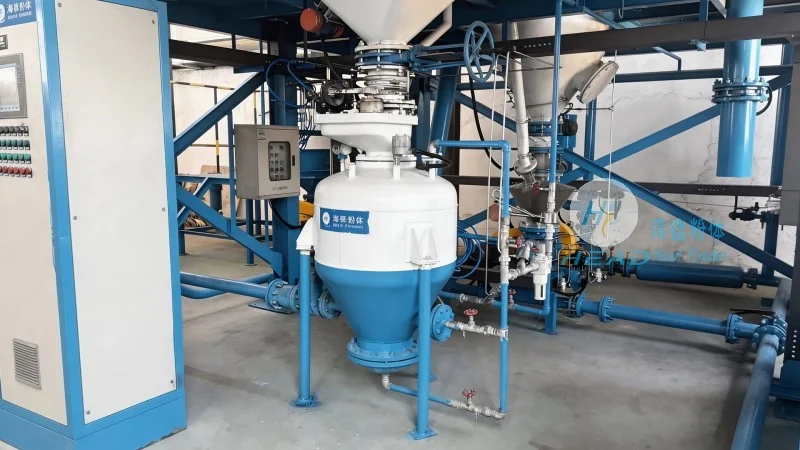
The sorghum pneumatic conveying system consists of several critical components that work in concert to achieve seamless material transport. These components include the hopper for material storage, a rotary valve or feeder to control the flow of sorghum, a conveying line (often equipped with bends and straight sections), a dust separator or cyclone to separate air and solids, and a fan or blower to generate the necessary air pressure. Each component is strategically designed to handle the specific characteristics of sorghum, such as its density, moisture content, and particle size, ensuring minimal degradation and maximum efficiency.
Operation Process of the Sorghum Pneumatic Conveying System
The operation of the sorghum pneumatic conveying system follows a systematic sequence to ensure smooth material transfer from the storage hopper to the destination point. The process begins with the sorghum being loaded into the hopper, where it is stored in bulk. A rotary valve or feeder then regulates the flow of sorghum into the conveying line, controlling the rate of material discharge. Simultaneously, a fan or blower generates a high-pressure air stream that propels the sorghum particles through the conveying line. As the sorghum travels, it encounters bends and straight sections that are designed to minimize pressure loss and maintain consistent flow. At the receiving end, a dust separator or cyclone separates the sorghum from the air, allowing the grain to be deposited into the target container or processing unit. The air, now free of solid particles, is either recirculated back into the system or vented to the atmosphere, depending on the system design.
Working Principle of the Pneumatic Conveying System
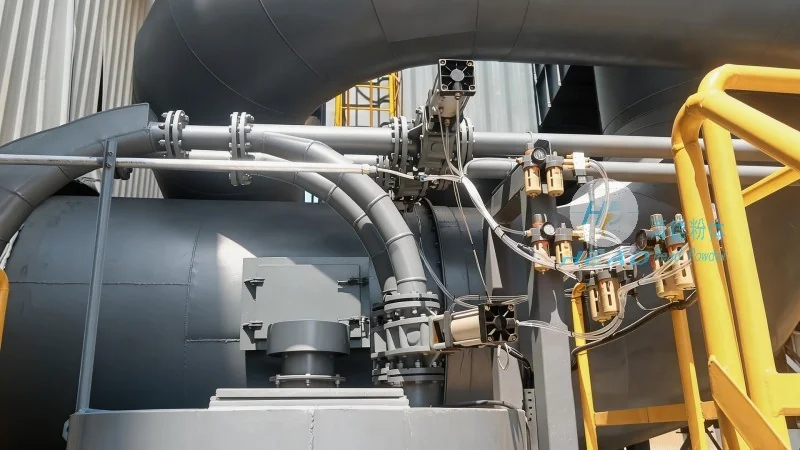
The core working principle of the sorghum pneumatic conveying system is based on the use of air as a medium to transport bulk materials. The system operates on the principle of fluidization, where the sorghum particles are suspended and carried by the high-velocity air stream. The fan or blower creates a pressure differential between the inlet and outlet of the conveying line, generating the necessary force to move the material. The rotary valve or feeder ensures a consistent and controlled feed rate, preventing overloading or underloading of the system. The dust separator or cyclone utilizes centrifugal force to separate the sorghum from the air, with the grain being collected in the lower chamber and the air exiting through the top. This separation process is crucial for maintaining the quality of the sorghum and preventing contamination or loss of material.
Advantages of the Sorghum Pneumatic Conveying System
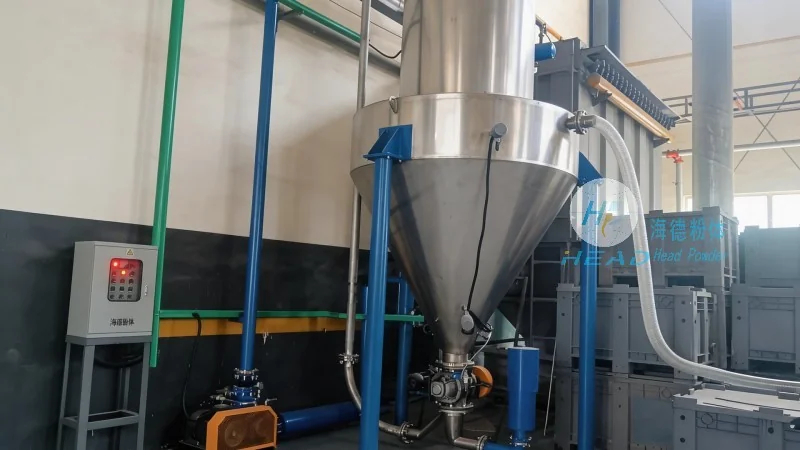
The sorghum pneumatic conveying system offers several advantages over traditional mechanical conveying methods. Firstly, it eliminates the need for mechanical components such as belts, chains, or buckets, reducing maintenance costs and minimizing the risk of material damage. The system is also highly flexible, allowing for easy reconfiguration of the conveying line to accommodate changes in production needs or facility layout. Additionally, the system operates at a lower noise level compared to mechanical conveyors, contributing to a more comfortable working environment. The use of air as a transport medium also allows for the transportation of sorghum over long distances without the need for intermediate storage or handling, improving overall efficiency and reducing operational downtime.
Application and Customization
Shandong HeadPowder Engineering Co., Ltd. provides customized sorghum pneumatic conveying systems tailored to the specific requirements of each client. The company considers factors such as the volume of sorghum to be transported, the distance between the source and destination, the desired flow rate, and the specific characteristics of the sorghum (e.g., moisture content, particle size) to design a system that meets the client's needs. The systems are manufactured with high-quality materials and components to ensure durability and reliability, and are tested under real-world conditions to verify performance before delivery. The company's team of engineers and technicians provides on-site installation and commissioning services, ensuring that the system is properly integrated into the client's facility and operates at peak efficiency.




