HeadPowder, a leading manufacturer based in Shandong, China, specializes in the design, development, and production of advanced pneumatic conveying systems tailored for lithium hydroxide applications. This article provides a comprehensive overview of the operation process and working principle of such systems, highlighting the key components, operational steps, and technical advantages that ensure efficient and reliable material handling.
Key Components of the Pneumatic Conveying System
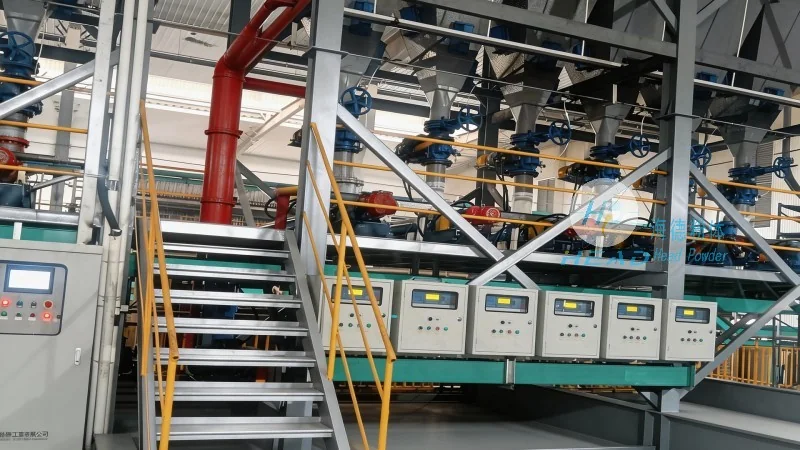
The lithium hydroxide pneumatic conveying system typically consists of several critical components that work in concert to achieve seamless material transport. These include the material hopper, rotary valve, air compressor, conveying pipeline, dust collector, and control system. Each component plays a vital role in the overall functionality of the system, ensuring that lithium hydroxide is handled safely and efficiently.
Working Principle of the Pneumatic Conveying Process
The operation of the lithium hydroxide pneumatic conveying system is based on the principle of air-driven transport, where compressed air is used to move the material through the pipeline. The process begins with the material being fed into the hopper from the storage silo. The rotary valve then regulates the flow of material into the conveying pipeline, ensuring a controlled and consistent feed rate. Simultaneously, the air compressor generates high-pressure air that is introduced into the pipeline, creating a flow that propels the material forward.
Step-by-Step Operation Process
1. Material Loading and Preparation: Lithium hydroxide is stored in a bulk silo and transferred into the system's material hopper. The hopper is designed to maintain a stable material level, preventing overfilling or underfilling that could disrupt the conveying process.
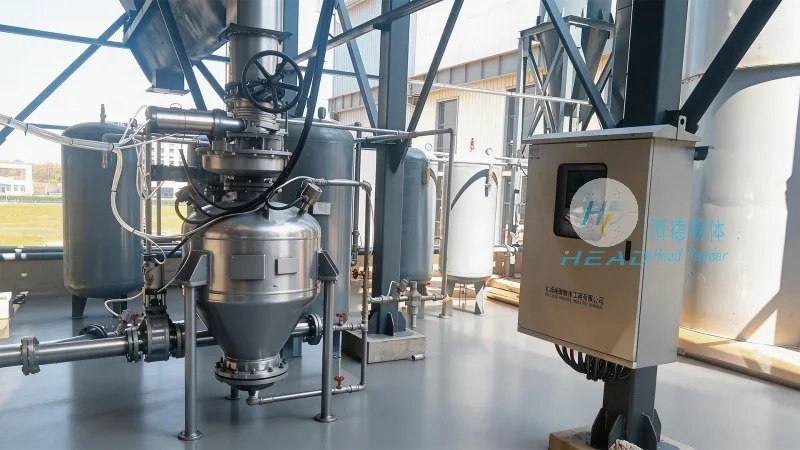
2. Material Feeding and Air Compression: The rotary valve opens to allow a controlled amount of lithium hydroxide to enter the conveying pipeline. The air compressor, operating at a specified pressure (usually between 0.5 to 1.0 MPa), supplies compressed air to the pipeline. The air and material mixture travels through the pipeline, with the air pressure maintaining the material in suspension and moving it towards the destination.
3. Conveying and Delivery: As the mixture moves through the pipeline, it reaches the receiving hopper or storage tank. The air pressure is reduced at the discharge point, causing the material to settle and be collected. The air is then filtered and recycled back to the compressor, minimizing waste and energy consumption.
Advantages of the Pneumatic Conveying System
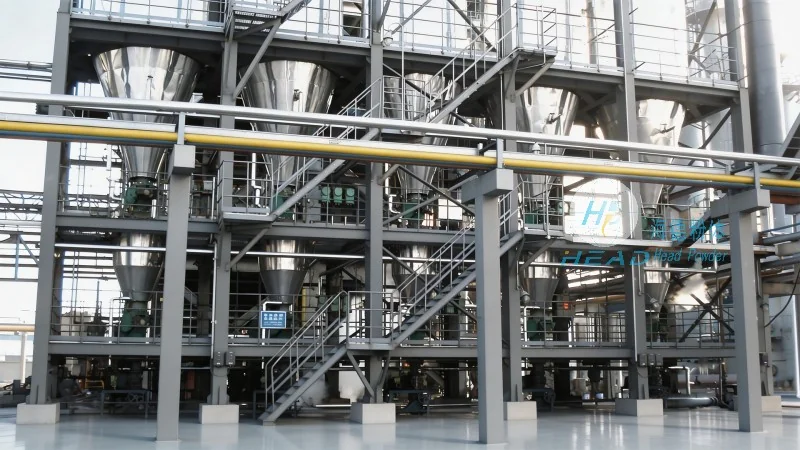
Implementing a pneumatic conveying system for lithium hydroxide offers several advantages over traditional mechanical conveying methods. These include reduced material degradation due to minimal contact with equipment, improved safety by eliminating the need for manual handling, and enhanced process control through precise flow regulation. Additionally, the system is compact and can be integrated into existing production lines with minimal modifications, making it a cost-effective solution for lithium hydroxide processing facilities.
Technical Specifications and Customization
HeadPowder's lithium hydroxide pneumatic conveying systems are customizable to meet the specific requirements of different industrial applications. Technical specifications such as conveying capacity (ranging from 1 to 50 tons per hour), pipeline length (up to several hundred meters), and air pressure can be adjusted based on the client's needs. The company's engineering team works closely with clients to design systems that optimize material flow, minimize energy consumption, and ensure compliance with industry standards and safety regulations.




