Shandong HeadPowder Engineering Co., Ltd., a professional manufacturer based in Shandong, China, specializes in the design, production, and installation of advanced pneumatic conveying systems for various industrial applications. This article provides a detailed overview of the operation process and working principle of a magnesium oxide powder pneumatic conveying system, highlighting the key components, operational steps, and technical advantages of the equipment.
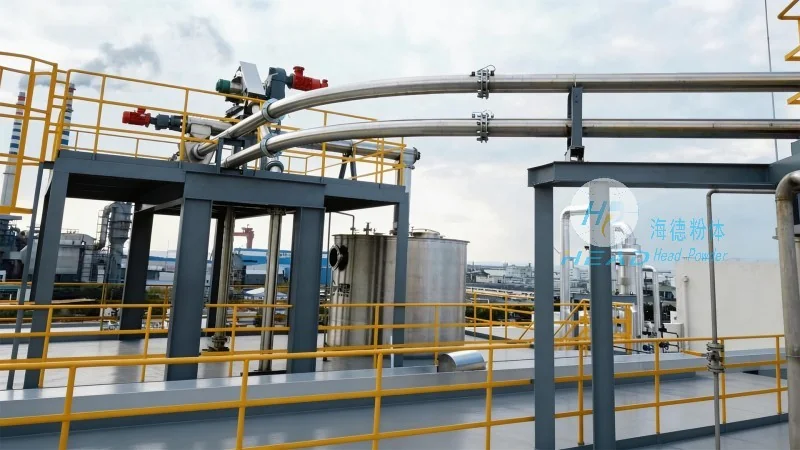
System Overview and Key Components
The magnesium oxide powder pneumatic conveying system is engineered to efficiently transport bulk powder materials, such as magnesium oxide, through a pressurized or vacuum air stream. The system typically consists of several core components that work in tandem to ensure reliable and continuous material handling. These components include a hopper for material storage, a feeder to control the flow rate, a conveying line (usually made of stainless steel or other corrosion-resistant materials), a pressure or vacuum source (like a blower or vacuum pump), and a receiver for the discharged material. The system may also incorporate additional features like filters, cyclones, or dust collectors to maintain air quality and comply with environmental regulations.
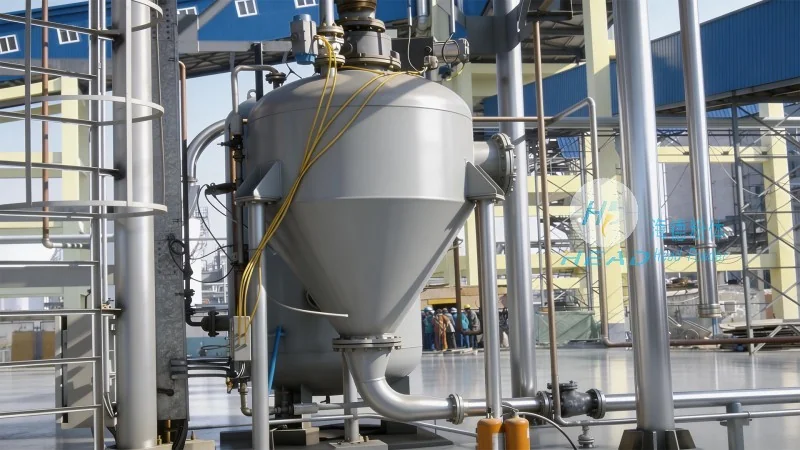
Operation Process: Step-by-Step Guide
The operation of the magnesium oxide powder pneumatic conveying system follows a systematic sequence to ensure safe and efficient material transport. The process begins with the loading of magnesium oxide powder into the storage hopper. The feeder then regulates the material flow into the conveying line, ensuring a consistent and controlled discharge rate. Simultaneously, the air source (either a positive pressure blower or a negative pressure vacuum pump) generates the necessary airflow to move the powder particles through the system. As the powder travels through the conveying line, it is suspended and transported to the receiver, where it is collected and stored. The system may include intermediate points for monitoring, such as pressure gauges or flow meters, to allow operators to adjust parameters as needed. The entire process is designed to minimize material degradation, prevent blockages, and maintain a stable conveying rate.
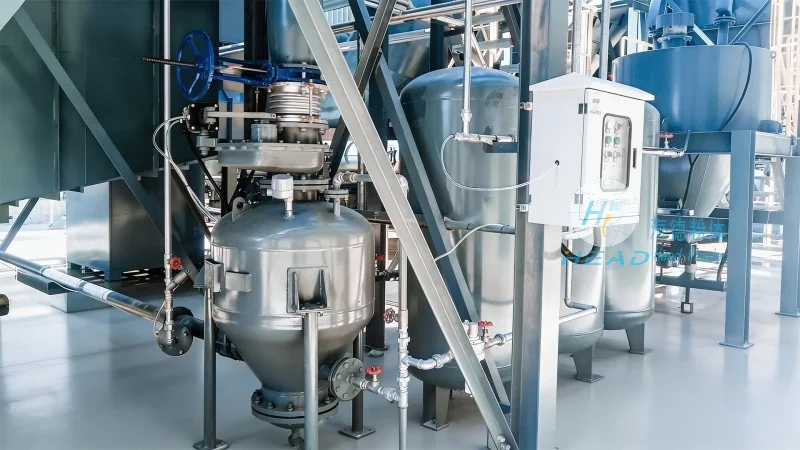
Working Principle: How It Works
The working principle of the pneumatic conveying system relies on the fundamental physics of fluid dynamics and particle suspension. In a positive pressure system, a blower supplies compressed air into the hopper, creating a pressure differential that forces the powder to flow through the conveying line. The air stream entrains the powder particles, forming a dense phase or dilute phase flow, depending on the system design and operating conditions. The velocity of the air is critical; it must be sufficient to keep the powder suspended but not so high as to cause excessive wear on the system components or degrade the powder quality. In a negative pressure system, a vacuum pump creates a low-pressure environment at the receiver, drawing the powder and air mixture through the conveying line from the hopper. The system's design, including the size and shape of the conveying line, the angle of the hopper, and the type of feeder, all contribute to the efficient transport of magnesium oxide powder. The working principle ensures that the material is transported without the need for mechanical conveyors, reducing maintenance and operational costs while maintaining high material integrity.
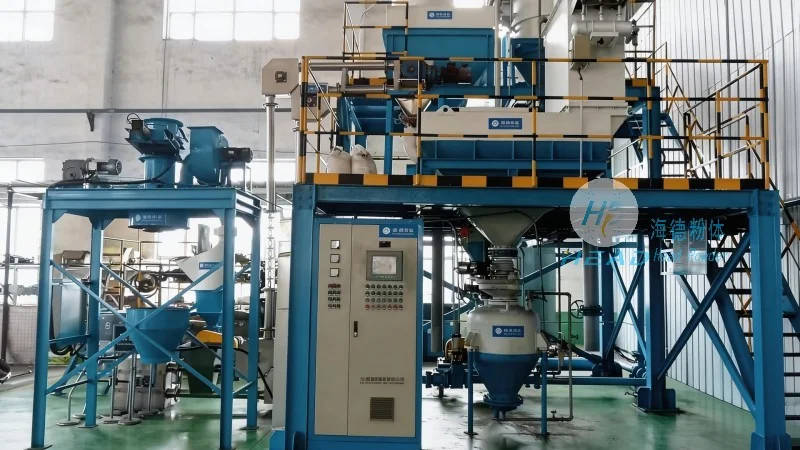
Technical Advantages and Applications
The magnesium oxide powder pneumatic conveying system offers several technical advantages that make it an ideal choice for industrial applications. These include high material handling capacity, the ability to transport materials over long distances, and the flexibility to handle different powder types and sizes. The system is particularly suitable for applications where dust control and environmental compliance are critical, as it can be equipped with filtration systems to capture and recycle the air. Additionally, the system reduces the risk of material contamination and degradation compared to traditional mechanical conveying methods. Shandong HeadPowder Engineering Co., Ltd. has extensive experience in customizing these systems to meet specific customer requirements, ensuring optimal performance and reliability for various industrial processes, including chemical manufacturing, pharmaceutical production, and food processing.




