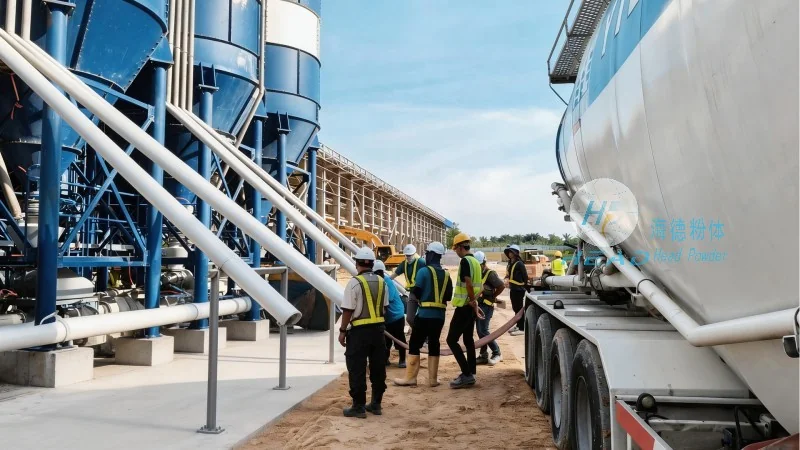
Carbon black is a critical raw material in various industrial applications, and efficient handling and transportation are essential for maintaining production efficiency and product quality. Pneumatic conveying, as a key technology for carbon black transport, offers several solutions tailored to different operational needs and site conditions. This article explores the primary options for carbon black pneumatic conveying, highlighting the technical considerations and practical implementations.
Introduction to Carbon Black Pneumatic Conveying
Carbon black, a fine powder with high density and abrasive properties, requires specialized equipment to handle safely and effectively. Pneumatic conveying systems use air or other gases to transport the material from one location to another, eliminating the need for mechanical components like belts or buckets that can cause wear and contamination. The choice of pneumatic conveying system depends on factors such as material characteristics, distance, flow rate, and environmental regulations. For carbon black applications, several proven solutions are available, each with distinct advantages and applications.
Option 1: Dilute Phase Pneumatic Conveying
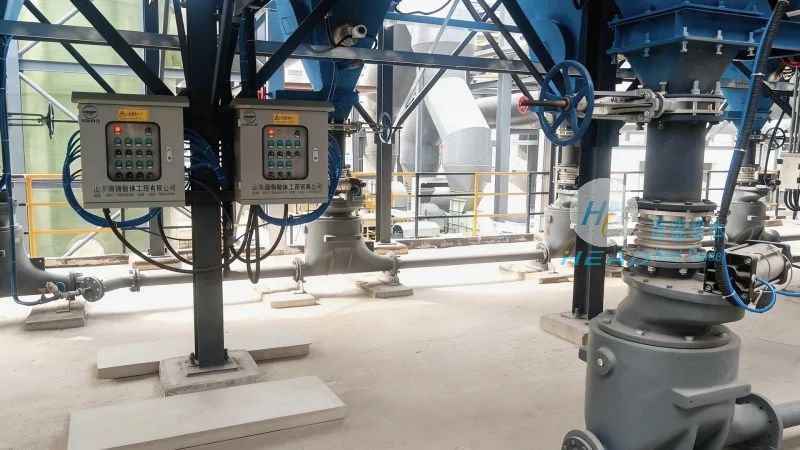
Dilute phase pneumatic conveying is a common method for transporting carbon black over moderate distances, typically up to several hundred meters. This system operates by injecting air at high velocity into the material stream, creating a dilute mixture of carbon black and air. The high velocity ensures that the carbon black particles remain suspended and are carried to the destination. The primary advantage of dilute phase systems is their ability to handle high flow rates with relatively low pressure drops, making them suitable for continuous production lines. However, they may require larger duct sizes and higher air volumes, which can increase energy consumption. The system typically includes a feeding device, a conveying line, and a receiver, with optional components like cyclones or filters to separate the carbon black from the air stream.
Option 2: Dense Phase Pneumatic Conveying
Dense phase pneumatic conveying is another effective solution, particularly for longer distances or when the material needs to be transported at a lower velocity to minimize particle degradation. In this method, the carbon black is conveyed in a dense phase, where the material forms a plug or slurry within the conveying line. The system uses lower air velocities and higher pressure, which results in a more controlled and gentle transport. This approach is beneficial for sensitive carbon black grades that are prone to agglomeration or damage during high-speed transport. The dense phase system often employs positive displacement pumps or pressure vessels to generate the necessary pressure, ensuring a steady flow of material. The equipment includes a metering device, a pressure vessel, and a conveying line, with a receiver at the end to collect the material.
Option 3: Hybrid Pneumatic Conveying Systems
Hybrid pneumatic conveying systems combine elements of both dilute and dense phase technologies to optimize performance for specific applications. These systems are designed to handle varying flow rates and distances by switching between phases as needed. For example, a hybrid system might use dilute phase for short segments and dense phase for longer sections, or vice versa. This flexibility allows for more efficient energy use and better control over material handling. The hybrid approach is particularly useful in complex production environments where multiple destinations or varying material types are involved. The system typically integrates components from both dilute and dense phase systems, such as a combination of air blowers, pressure vessels, and conveying lines, with advanced control systems to manage the transition between phases.
Technical Considerations for Carbon Black Pneumatic Conveying
When selecting a pneumatic conveying solution for carbon black, several technical factors must be considered to ensure optimal performance and longevity of the equipment. First, the particle size and density of the carbon black are critical. Finer particles may require higher air velocities to remain suspended, while larger particles may need denser phase conditions to prevent settling. The system must also account for the abrasive nature of carbon black, which can cause wear on components like ducts, valves, and pumps. Materials such as stainless steel or special alloys are often used to minimize wear and extend equipment life. Additionally, the system must comply with environmental regulations regarding dust emissions and air quality. Filtration systems, such as cyclones or bag filters, are commonly used to capture carbon black particles and prevent air pollution. The choice of filtration method depends on the specific application and local regulations.
Practical Implementation and Maintenance
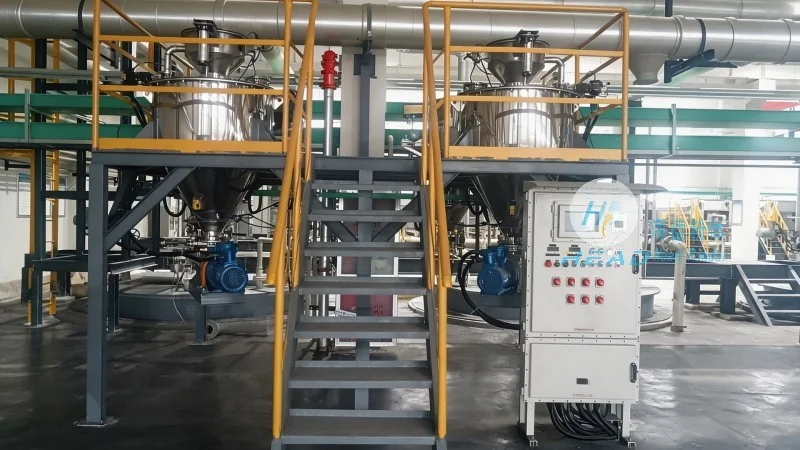
Implementing a pneumatic conveying system for carbon black requires careful planning and professional installation. The system design must consider the layout of the facility, the location of the carbon black source and destination, and any obstacles or restrictions in the area. Proper sizing of the conveying line and air handling equipment is essential to ensure efficient operation and avoid pressure drops or material blockages. Regular maintenance is crucial to maintain the performance and longevity of the system. This includes cleaning the ducts and filters, inspecting and replacing worn components, and monitoring the system's performance parameters such as pressure, flow rate, and air volume. Proper maintenance can significantly reduce downtime and operational costs, ensuring the system operates at peak efficiency.
Conclusion
Carbon black pneumatic conveying offers several effective solutions for transporting this essential material, each with its own advantages and considerations. Dilute phase systems are suitable for moderate distances and high flow rates, while dense phase systems provide gentler transport for longer distances or sensitive grades. Hybrid systems offer flexibility for complex applications. By considering the material characteristics, operational requirements, and technical factors, industrial facilities can select the most appropriate pneumatic conveying solution to enhance their production efficiency and product quality. The expertise of companies like Shandong HeadPowder Engineering Co., Ltd. plays a vital role in designing and implementing these systems, ensuring optimal performance and compliance with industry standards.




