For agricultural operations, the efficient and hygienic transport of silage materials is crucial for maintaining livestock feed quality and optimizing farm productivity. Pneumatic conveying lines, specifically designed for silage material handling, offer a superior solution compared to traditional mechanical conveyors. These systems utilize air pressure to move bulk materials through pipelines, providing a dust-free, flexible, and low-maintenance method for transporting chopped forage or fermented grass from storage to processing or feeding areas. Understanding the operation process and working principle of such lines is essential for farmers and agricultural engineers to maximize their effectiveness and ensure the longevity of the equipment.
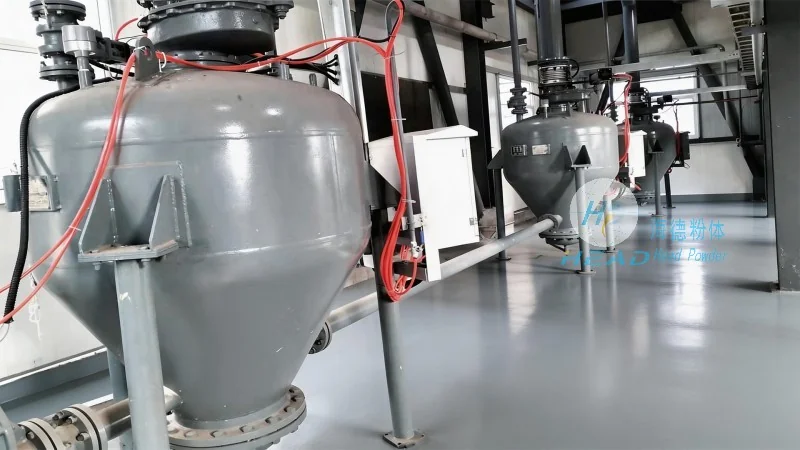
Introduction to Silage Material Pneumatic Conveying Line
Pneumatic conveying lines are specialized systems engineered to handle the unique characteristics of silage, including its moisture content, density, and potential for dust generation. Unlike mechanical conveyors that rely on belts or chains, pneumatic systems use air as the primary medium to transport material, making them ideal for applications where hygiene and contamination control are paramount. The design of these lines typically includes a hopper for material storage, a blower or fan to generate air pressure, a pipeline network for material transport, and a separator or cyclone for material discharge. Each component works in tandem to ensure efficient and reliable operation, minimizing downtime and maximizing material throughput.
Working Principle of Pneumatic Conveying Systems
The fundamental working principle of a silage material pneumatic conveying line revolves around creating a pressure differential to move material through a pipeline. The process begins with the material being loaded into the hopper, where a feeding mechanism, such as a rotary valve or screw feeder, regulates the flow rate. Simultaneously, a blower or fan generates high-pressure air, which is introduced into the hopper. As the air flows through the material, it lifts and suspends the silage particles, forming a dense air-material mixture. This mixture is then propelled through the pipeline to the discharge point, where the material is separated from the air and deposited in the target container. The system can operate in either positive pressure (pressure blower) or negative pressure (vacuum pump) modes. Positive pressure systems are preferred for long-distance transport and vertical lifts, as they provide consistent air pressure to maintain material flow. Negative pressure systems, on the other hand, are suitable for shorter distances and horizontal movement, as they rely on suction to draw material into the pipeline.
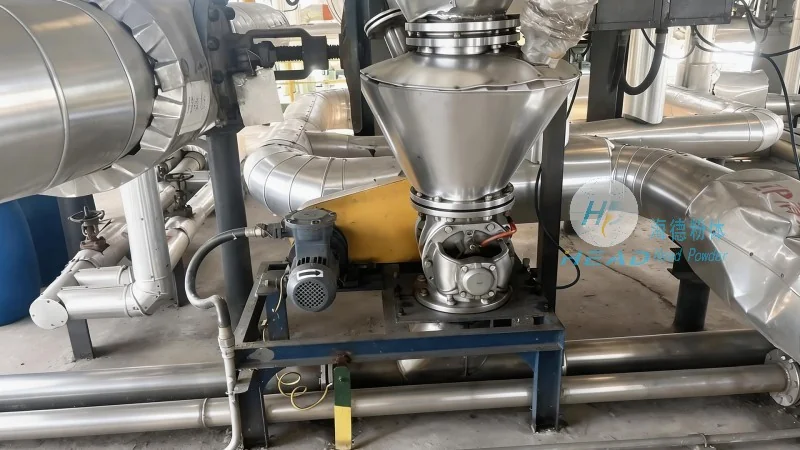
Operation Process of the Silage Material Conveying Line
The operation process of a silage material pneumatic conveying line is a sequence of controlled steps that ensure smooth material transport. The first step involves loading the hopper with silage material. The hopper is equipped with a discharge valve that controls the material flow into the pipeline. Once the hopper is filled, the blower is started, creating the necessary air pressure to initiate material transport. As the air flows through the hopper, it lifts the silage particles, forming an air-material mixture that travels at high velocity through the pipeline. The pipeline is designed with strategically placed bends and elbows to maintain air flow efficiency and prevent material buildup. At the discharge end, a separator or cyclone is used to separate the silage from the air, allowing the material to be deposited in the target silo or container. The air, now filtered of dust and debris, is either vented to the atmosphere or recirculated back to the blower for energy efficiency. This recirculation system reduces energy consumption and minimizes waste, making the operation more sustainable.
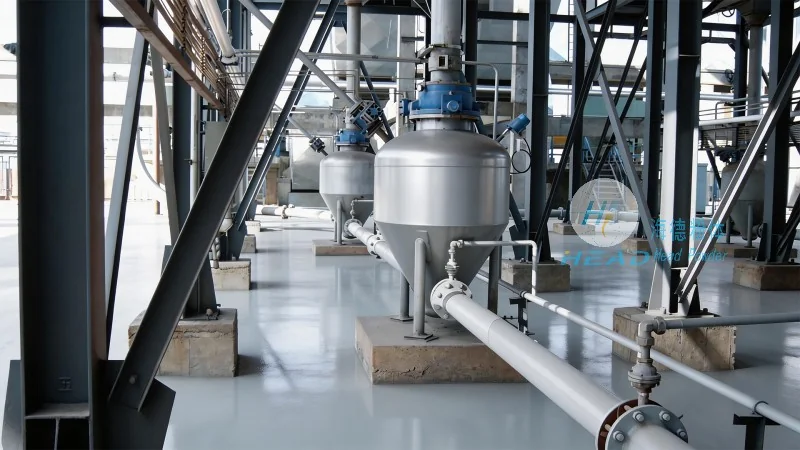
Key Components and Their Functions
Several critical components are integral to the performance of a silage material pneumatic conveying line. The material hopper serves as the storage and feeding unit, with a discharge valve to regulate the flow rate. The hopper is typically made of stainless steel or high-density plastic to withstand the corrosive nature of silage and prevent material degradation. The blower or fan is the heart of the system, providing the necessary air pressure. Modern blowers are designed with energy-efficient motors and variable speed controls, allowing operators to adjust the air flow based on the material load and distance requirements. The pipeline system is constructed from durable materials such as stainless steel or food-grade plastic, with smooth interiors to minimize friction and material abrasion. The pipeline includes bends, elbows, and straight sections, each designed to maintain air flow efficiency and prevent pressure losses. The material separator or cyclone at the discharge end is a crucial component, as it separates the silage from the air and prevents dust accumulation. This separator typically uses centrifugal force to separate the heavier material from the lighter air, ensuring clean material handling and reducing maintenance costs. Additionally, a filter system is often included to capture fine particles and maintain air quality, which is essential for both equipment longevity and operator safety.
Application Scenarios and Benefits
Silage material pneumatic conveying lines are widely used in various agricultural settings, including dairy farms, livestock operations, and feed mills. They are particularly beneficial for transporting silage from silos or bunkers to feeding stations, processing equipment, or storage silos. The primary benefits of these systems include improved hygiene, as the enclosed pipeline prevents contamination from external sources. They also offer flexibility in layout, allowing for vertical and horizontal movement of materials, which is advantageous in farms with limited space or complex layouts. Additionally, pneumatic conveyors reduce labor costs by automating the material handling process and minimize material degradation, as the enclosed system prevents exposure to air and moisture, preserving the nutritional value of the silage. The energy efficiency of modern blowers, combined with the ability to recirculate air, further reduces operational costs for farmers. Furthermore, these systems are easy to install and maintain, with modular designs that allow for expansion or modification as farm needs change. The overall result is enhanced farm productivity and efficiency, making pneumatic conveying lines a valuable investment for modern agricultural operations.




