Graphite powder is a widely used material in various industrial applications, from lubricants to refractory materials. Efficient and reliable transportation of this fine powder is crucial for maintaining production efficiency and product quality. Pneumatic conveying systems offer a solution to this challenge by utilizing air to transport the powder through a pipeline network. This article provides an overview of pneumatic conveying for graphite powder, detailing its structural principles and operational considerations.
Understanding Pneumatic Conveying Systems
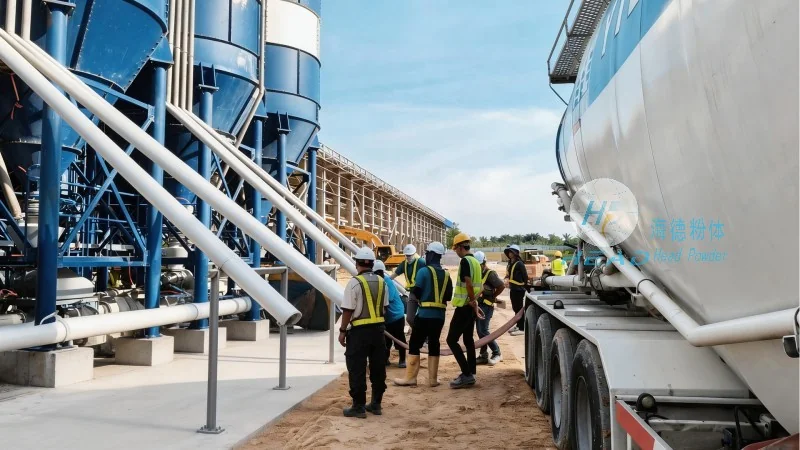
Pneumatic conveying systems are designed to move bulk materials like graphite powder using compressed air or other gases. The core principle involves creating a pressure differential that propels the powder particles through the system. There are two main types of pneumatic conveying: dilute phase and dense phase. Dilute phase systems typically operate at higher velocities, suitable for short distances and low to medium particle sizes. Dense phase systems, on the other hand, use lower velocities and higher pressure to move material more gently, which is beneficial for delicate or abrasive powders like graphite.
Structural Components of Pneumatic Conveying Systems
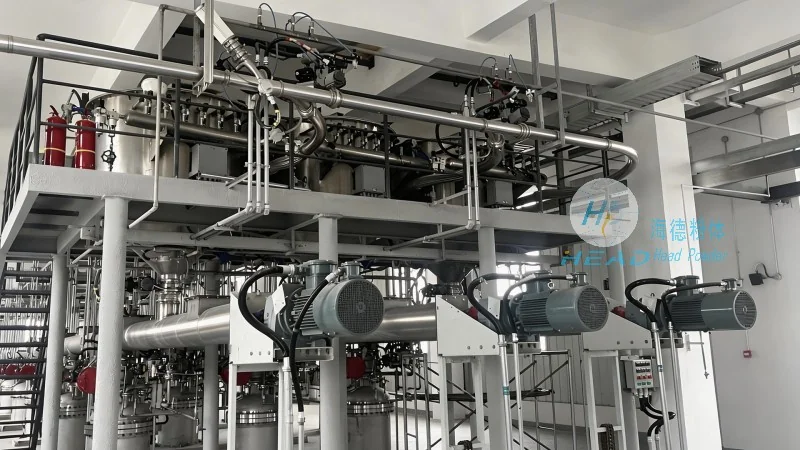
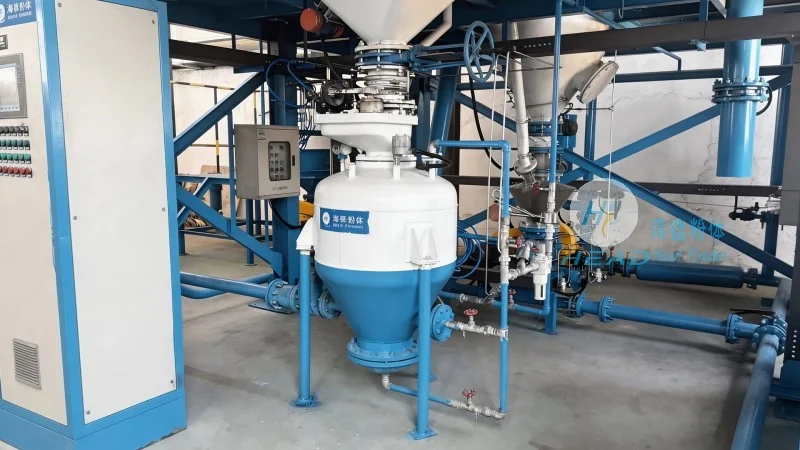
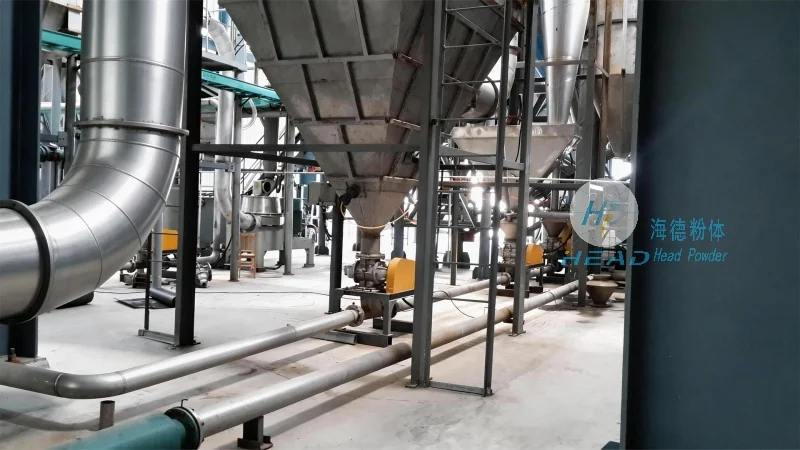
The effectiveness of a pneumatic conveying system for graphite powder depends on its well-designed components. Key components include the feed hopper, which stores and feeds the powder into the system; the air compressor or blower, which generates the necessary air pressure; the pipeline network, which transports the powder; and the discharge unit, which releases the material at the destination. Additionally, control valves, filters, and dust collectors are essential for maintaining system efficiency and safety. The design of these components must consider the properties of graphite powder, such as its particle size distribution, density, and flow characteristics, to ensure optimal performance.
Operational Principles and Considerations
When operating a pneumatic conveying system for graphite powder, several factors must be carefully managed. The air velocity must be sufficient to prevent particle settling but not so high as to cause excessive wear on the system components. The system pressure is another critical parameter, as it directly impacts the conveying distance and material flow rate. For graphite powder, which can be abrasive, the selection of materials for the pipeline and fittings is crucial to minimize wear and extend the system's lifespan. Furthermore, the system should be equipped with proper filtration and dust collection to comply with environmental regulations and maintain a safe working environment.
Applications and Benefits of Pneumatic Conveying
Pneumatic conveying of graphite powder is widely used in industries such as battery manufacturing, lubricant production, and refractory manufacturing. The primary benefits include improved safety by eliminating the need for manual handling of powders, increased efficiency by automating the material transport process, and reduced product contamination compared to traditional methods like bucket elevators or conveyor belts. Additionally, the flexibility of pneumatic systems allows for easy integration into existing production lines and the ability to transport materials over long distances without the need for multiple transfer points.
Conclusion
Pneumatic conveying systems provide an effective and efficient method for transporting graphite powder, leveraging the principles of air movement to move fine materials through a structured pipeline network. By understanding the structural components and operational considerations, industries can optimize their material handling processes, enhancing productivity and product quality. As a leading provider in this field, Shandong HeadPowder Engineering Co., Ltd. specializes in designing and manufacturing customized pneumatic conveying solutions tailored to the specific needs of graphite powder applications.




